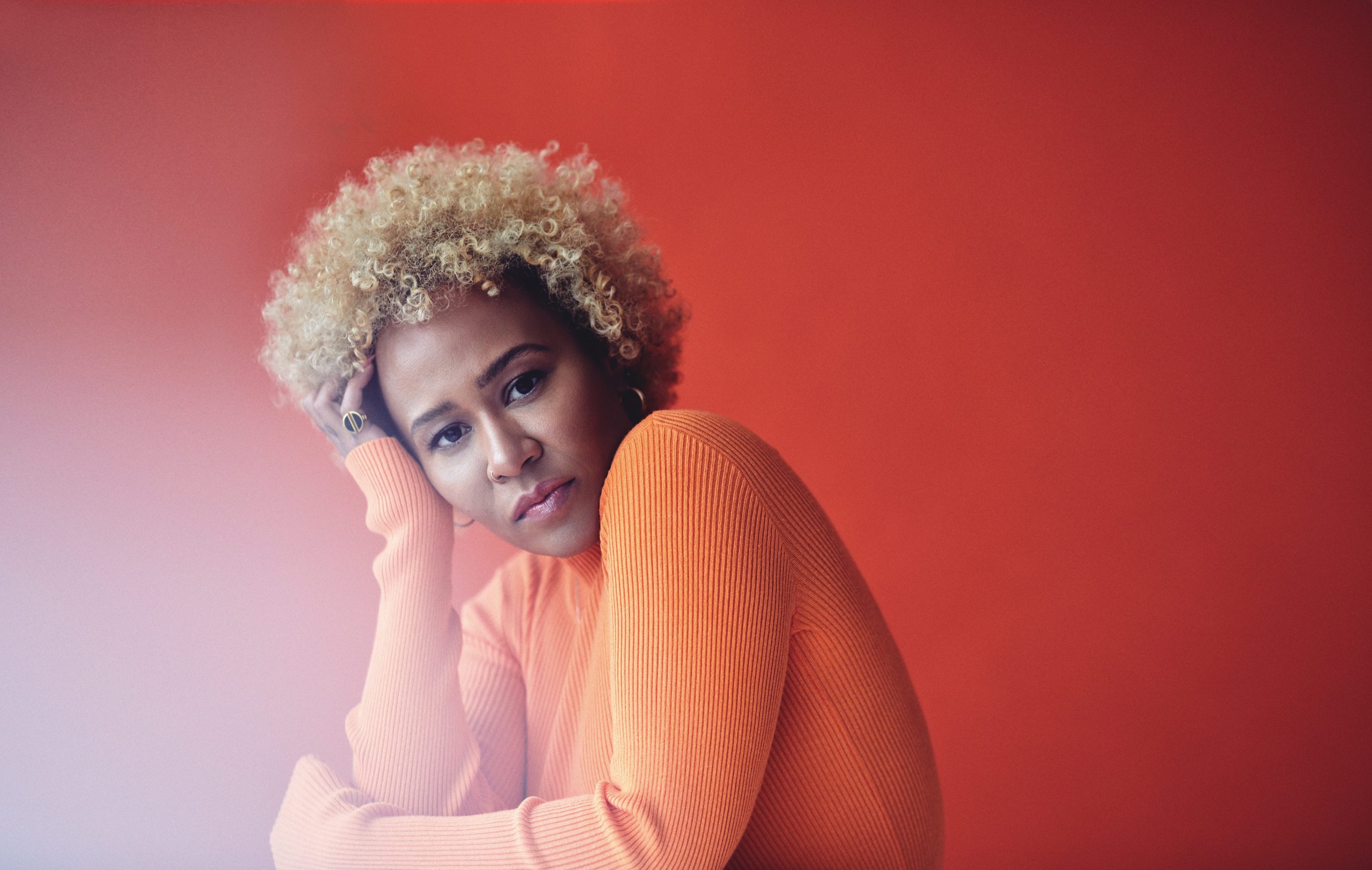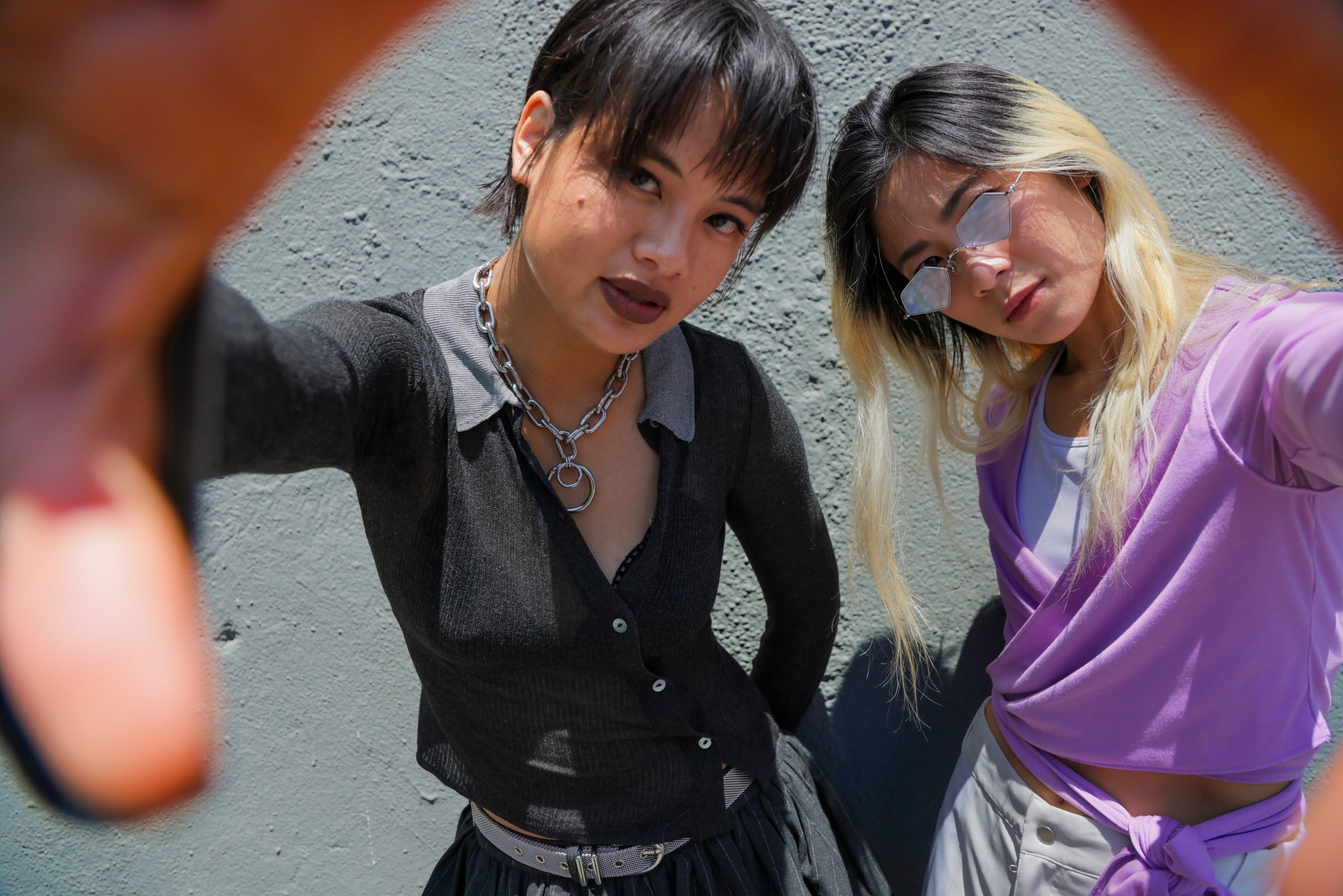


Blending alt-rock, indie rock, and pop influences, Dolly Ave, born Dolly Nguyen, creates music that balances vulnerability, grit, and sharp melodic instincts.
As she takes her first headlining tour across the country, she’s doing so alongside bassist and musical director Nat Lee, a fellow Los Angeles musician she met by chance at a San Diego show. Their fast friendship soon evolved into a creative partnership, making Lee a key part of Dolly Ave’s touring band.
Fresh off their headlining tour, the two sat down at the Roland Studio in Inglewood, CA, for a conversation about the unexpected direction their careers have taken, the power and challenges of being AAPI women in music, and how a single piece of gear saved their first tour.
A Change of Direction
Where does your story begin?
Dolly Ave: I started as a concert photographer in Chicago and was completely convinced that would be my career. I shot music and entertainment, spending my time backstage, on set, and around artists. Because I went to art school, I learned a little bit of everything, from writing to studio work. Without realizing it, I was absorbing how musicians create.
Then COVID happened, and I also experienced a personal tragedy. For whatever reason, music became my outlet. I started writing songs, released them, and discovered that I loved making music. Now I bring all those creative skills with me, whether it’s photography, storytelling, or performing.
Nat and I met completely by accident in San Diego. She was doing sound for another band, and we were playing at The Che Café. We hit it off immediately and realized we had countless mutual friends despite never having met before.
Nat Lee: It was one of those situations where you see someone and immediately feel a connection. I remember thinking, “Who are you?” There was just an instant sense of familiarity.
My path was very different. I was in nursing school while playing in a band. I’ve always loved performance, whether it was symphony, music, or the arts in general. I loved being able to express myself without having to speak.
For years, I balanced nursing school and music. The first band I joined started in 2013, and we slowly worked our way through the indie scene, touring and growing. Along the way, I became fascinated by production and audio engineering because understanding the technical side makes performing easier. I eventually completed an audio engineering program and began doing live sound. Now we’re touring together.
DA: What’s funny is that we both thought our lives were heading in completely different directions. Nat expected nursing to be the focus of her life. I thought I’d always be behind a camera.
I also wasn’t naturally comfortable onstage. I had terrible stage fright. My voice would shake. Looking at where I am now reminds me how much music can transform someone.
NL: People see performers now and assume it came naturally. It didn’t. I remember being terrified onstage in my early years. My hands would shake while playing synth.
One of the best things about music is that you can see your own growth over time. Even years later, there are still moments when you’re nervous, and that’s normal. The biggest thing is finding people you trust. When something goes wrong onstage, you look at each other, laugh, and move forward.
“There's an assumption that femininity somehow makes your music less authentic, and that's simply not true.”
Dolly Ave
Finding Your Grit
As Vietnamese-American women working in a genre that isn’t always known for diversity, how has your cultural background affected your approach to music and performance?
DA: Being a woman in music is already uncommon, especially in rock. I experienced the same thing when I was a photographer. Both fields are heavily male-dominated.
That challenge gave me grit. It taught me how to persevere and trust my decisions. Then you add race into the equation. Sometimes people don’t take an Asian woman in rock music seriously right away. There’s an assumption that femininity somehow makes your music less authentic, and that’s simply not true.
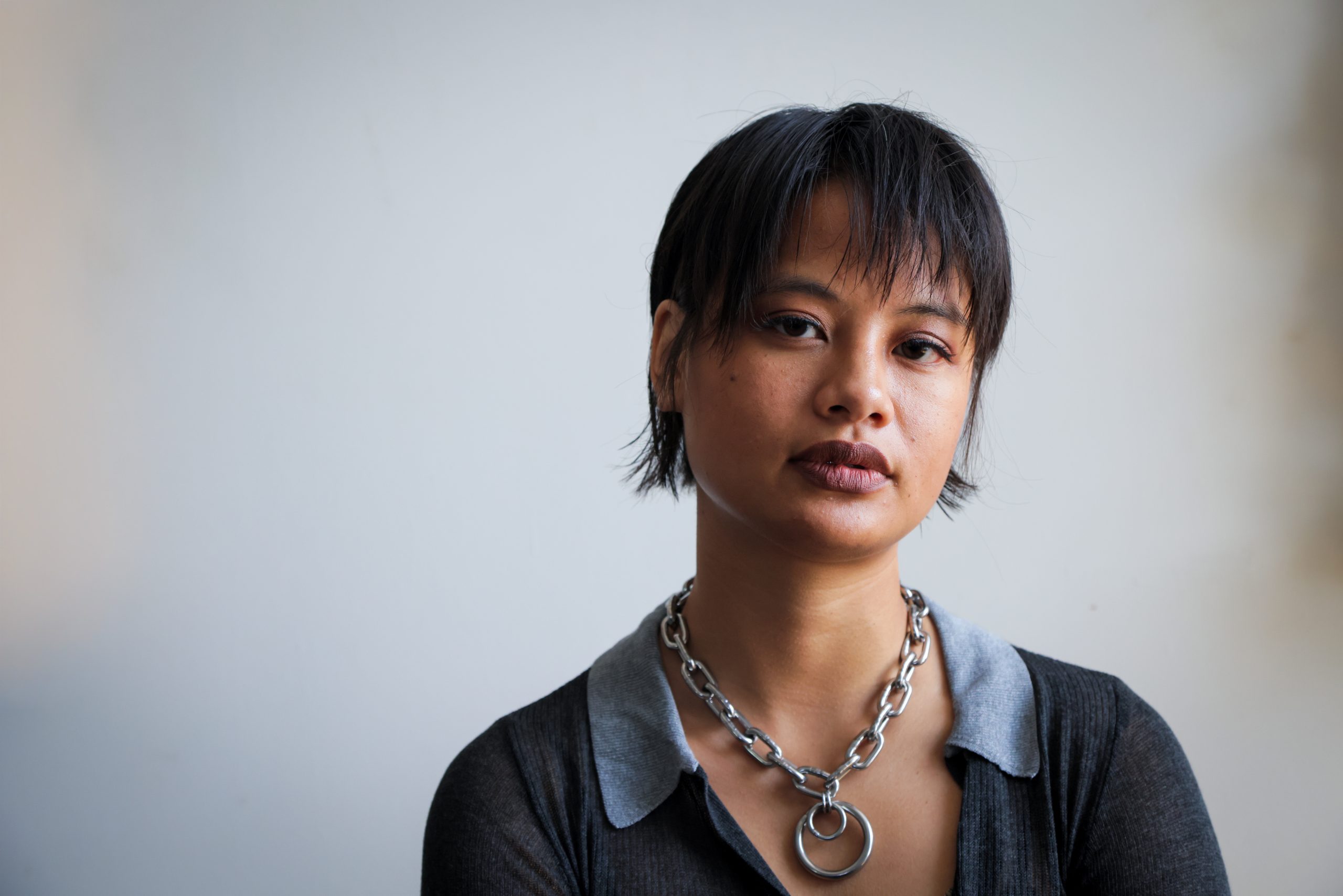
Part of why I make music is to challenge those assumptions and show that we belong in these spaces.
NL: I’m first-generation Vietnamese American. I grew up with parents whose philosophy was simple: if you want something, you work for it. We worked hard to give you a home; anything else, you’ve got to work for it.
That mindset shaped everything I do. I paid for my instruments, pursued nursing, and made sure I had financial stability before trying to make music my primary focus. My parents taught me the importance of preparation and responsibility.
“Sometimes being underrepresented means learning how to use every strength available to you.”
Dolly Ave
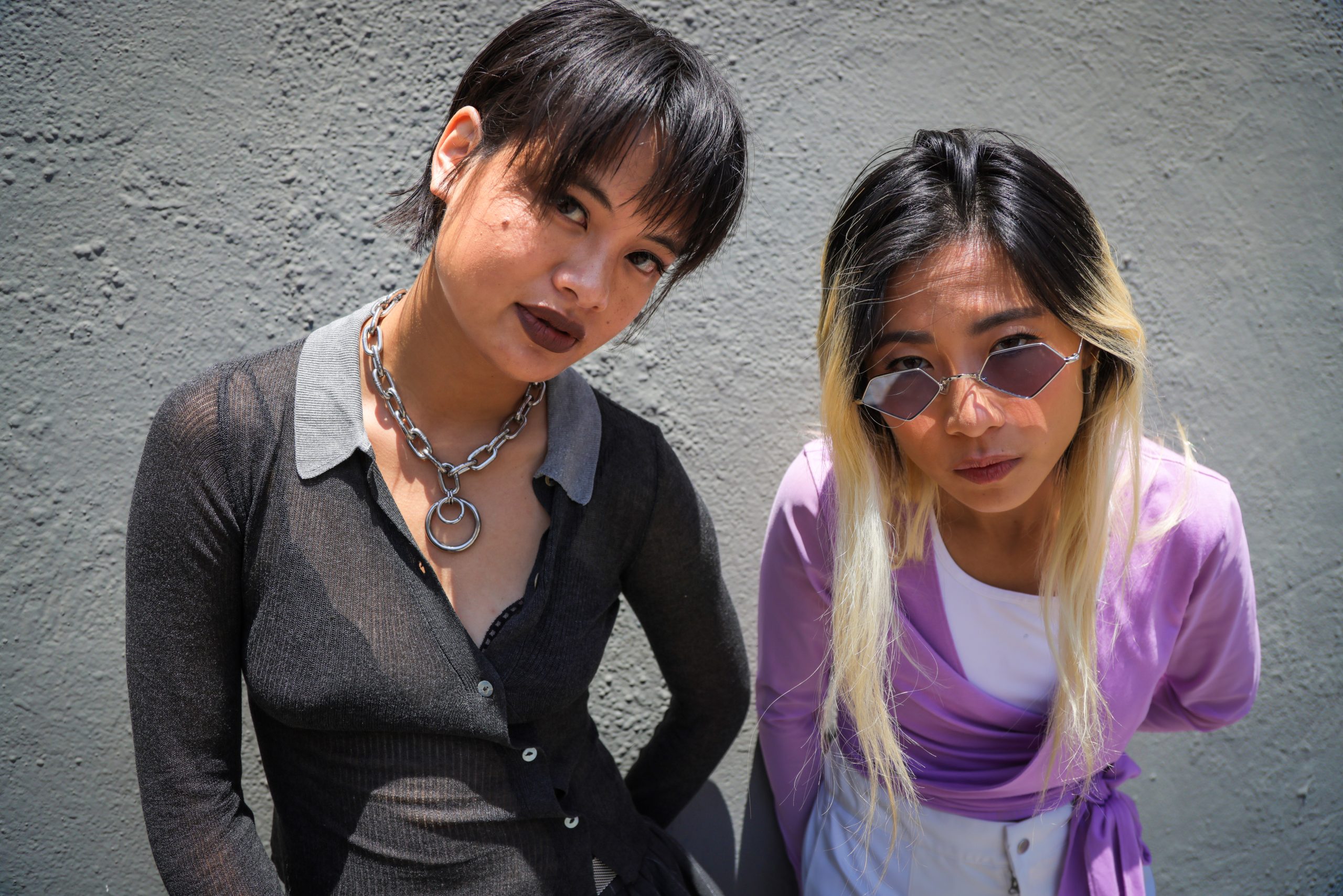
As for being a woman in the industry, I’ve actually learned to view it as a strength. When I started working in audio engineering, there weren’t many women doing it. Sometimes that became an advantage because people actively wanted more diversity on their teams.
DA: Exactly. Sometimes being underrepresented means learning how to use every strength available to you. Just because it’s traditionally a boys’ club doesn’t mean we can’t play the game too.
NL: The best experiences are with people who simply see you as an equal. That’s what matters most.
Noisemakers: Celebrating AAPI Women in Music
NL: Also, I have to mention this because I don’t think it gets enough recognition. Dolly created a community-focused event that brought together Asian American women working across the music industry. It started small and grew into something much larger. The amount of work that went into it was incredible.
She’s part of the Converse All-Star Program, which comes with money she could use however she wanted. Most people use it to record or fund their own projects. Dolly used those resources to create opportunities for other people.
DA: The event started as a small gathering of maybe 25 people and eventually grew into something much bigger, with a capacity of 300-500. We brought together artists, industry professionals, and community leaders. We had guests ranging from emerging artists to people like Siedah Garrett, who wrote Michael Jackson’s “Man in the Mirror,” and Tokimonsta.
What mattered most was creating connections. We saw collaborations form, partnerships develop, and people meet who otherwise never would have crossed paths. I think the sky’s the limit when you let yourself envision what you want to accomplish.
NL: That’s one of the things I admire most about Dolly. She uses her birthday, which falls during AAPI Heritage Month, as an excuse to create something for the community rather than herself.
The Bad Brain Dog
Dolly, your photo recently went up on the wall at Pink’s Hot Dogs. How did that happen?
DA: Honestly, it started with a simple email. My manager and I are constantly brainstorming ideas and opportunities. We call them “brain dumps.” Every morning, we’re throwing ideas around, no matter how ambitious they seem.
Pink’s was actually really meaningful to me because I grew up visiting California with my family. My older brother took me there when I was a kid. I remember looking at the celebrity wall without really understanding what it represented.
Years later, we reached out to Pink’s, and they loved what we were doing. I thought we were simply going to visit and meet everyone. Then they surprised me with custom hot dogs inspired by “Bad Brain.” I brought my childhood friends because this was such a big deal, and they let us order, like, everything on the menu!
After that, they asked where I wanted my photo on the wall. I couldn’t believe it. I was too shy to even choose a spot myself. I didn’t want to take someone else’s space. Eventually, they put me next to Dolly Parton.
For me, that’s my Grammy.
“Honestly, Roland saved our tour with the SPD-SX.”
Dolly Ave
Under Pressure
You’re about to begin the second leg of your first headlining tour. How’s it going?
DA: I’d be doing a disservice to artists if I said touring was easy. It’s hard. It takes an enormous amount of work and an incredible team. At the same time, I’m incredibly proud of what we’ve accomplished. Simply finishing a tour is an accomplishment.
I’m stressed. And honestly, that ties into being a woman in this industry. Sometimes it feels like I’m not allowed to complain or show frustration because opportunities can be so hard-won. There’s this pressure to stay focused, think ahead, and keep pushing forward.
You don’t want anyone looking at a difficult moment and saying, “See? That’s why women can’t do this. They’re emotional.” I’m happy to share the vulnerable parts of the experience, but there’s also a real pressure to perform at a high level and still look cute.
SPD-SX to the Rescue
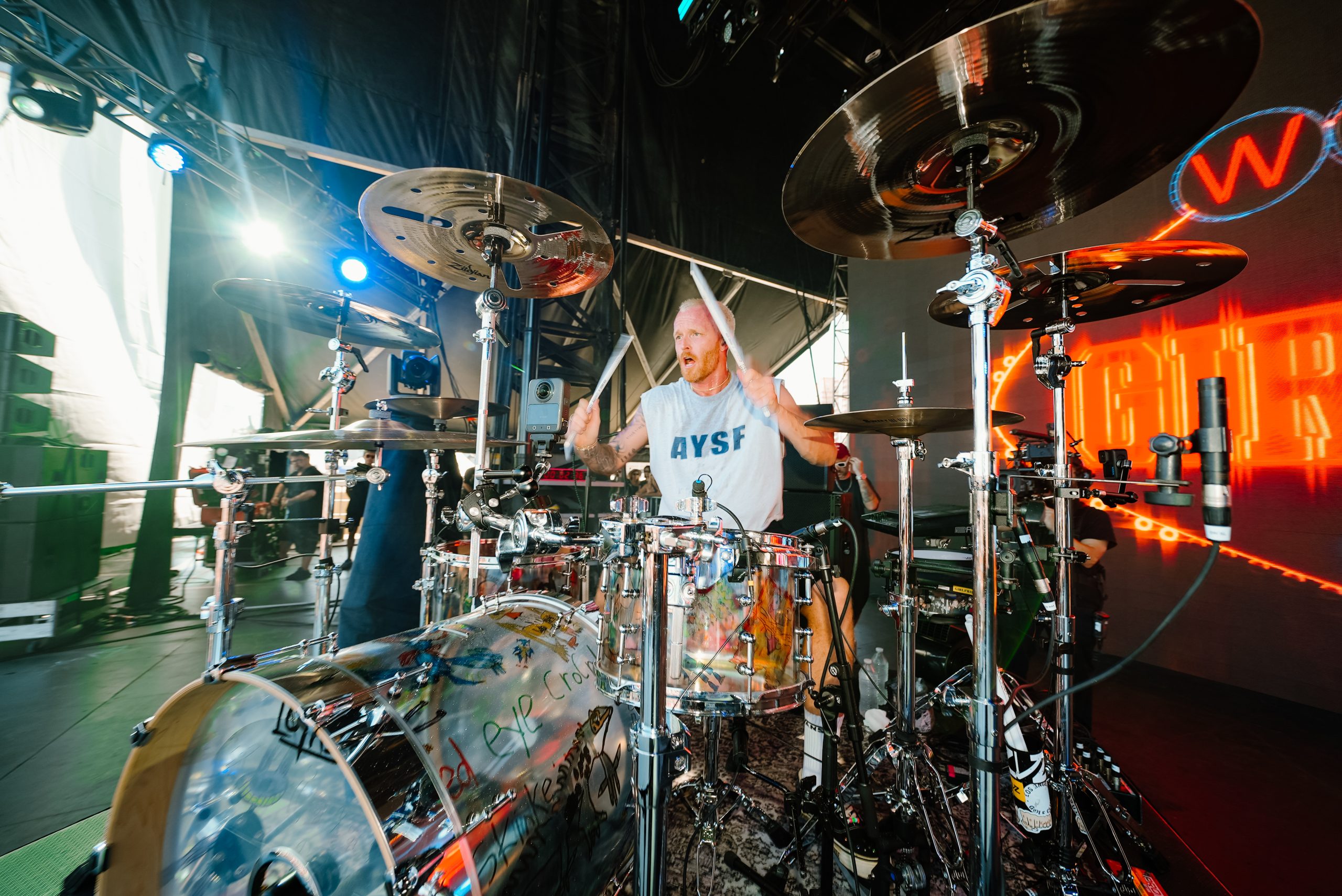
DA: Honestly, Roland saved our tour with the SPD-SX. Figuring out playback is so complicated—it just wouldn’t work. And the SPD-SX simplified our playback setup significantly and made touring much more manageable.
NL: We don’t have to carry a big rack with a computer and a ton of gear. We’re getting ready to fly to the East Coast, and we’re just bringing the SPD in a little case.
Objectively, the tour’s going really well. This isn’t my first tour, so I can say that many of the challenges we’re facing are things every touring band encounters. The logistics, the travel, the technical issues, the constant problem-solving, it’s all part of the experience.
DA: Sometimes the anticipation is harder than actually doing it. You spend weeks stressing, then you get onstage and remember exactly why you’re doing this in the first place.
Double Duty
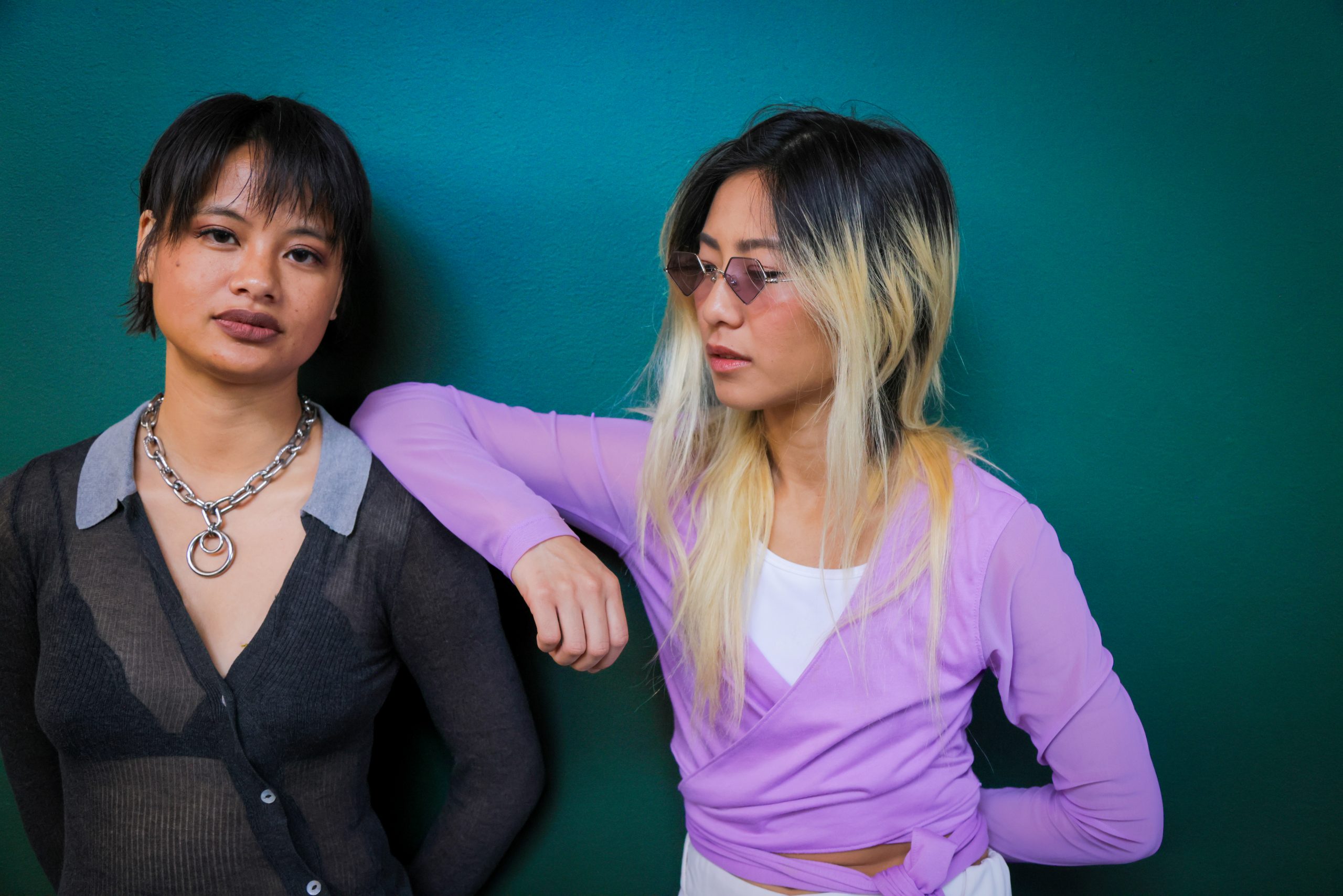
Nat, you’re performing on bass while also handling musical direction. How do you balance that?
NL: I’m a light MD.
DA: Nat is being incredibly humble. She’s handling playback, managing Ableton sessions, checking audio systems, making sure everyone’s ears are good, overseeing rehearsals, and helping solve technical problems before they happen.
She’s basically our guardian angel.
NL: The biggest thing I’ve learned is recognizing my limits and communicating them. If I’m reaching capacity, I tell the team. You have to be honest about what you can realistically handle. The first few shows were especially stressful because we were making technical adjustments right up until performance time.
I’ve learned that balance comes from communication, preparation, and making sure basic needs are covered. Honestly, sometimes that just means making sure somebody remembers to feed me.
“The JUPITER-X is one of my favorite instruments for writing. It has an incredible range of sounds.”
Nat Lee
Essential Keys
And you use a JUPITER-X and VR-09. How do those fit into your setup?
NL: The JUPITER-X is one of my favorite instruments for writing. It has an incredible range of sounds, and I especially love the bell tones and the hands-on control. It’s inspiring to sit down and create with. The challenge is that I like performing with the same instruments I write on, and the JUPITER-X isn’t exactly lightweight. That’s always the trade-off.
The VR-09 has been a staple of my setup since around 2017. It has fantastic piano, brass, and string sounds, and it’s incredibly practical for touring. People often assume it’s some rare vintage synth because of how good it sounds, but it’s just a remarkably versatile keyboard.
It’s also special because it was one of the first major instruments I bought with my own money after becoming a nurse. It has a lot of sentimental value. Sometimes the simplest gear ends up being the most reliable, and that’s exactly what the VR-09 has been for me.
On the Horizon
What’s next after the second leg of the tour? What does the next chapter of your music look like?
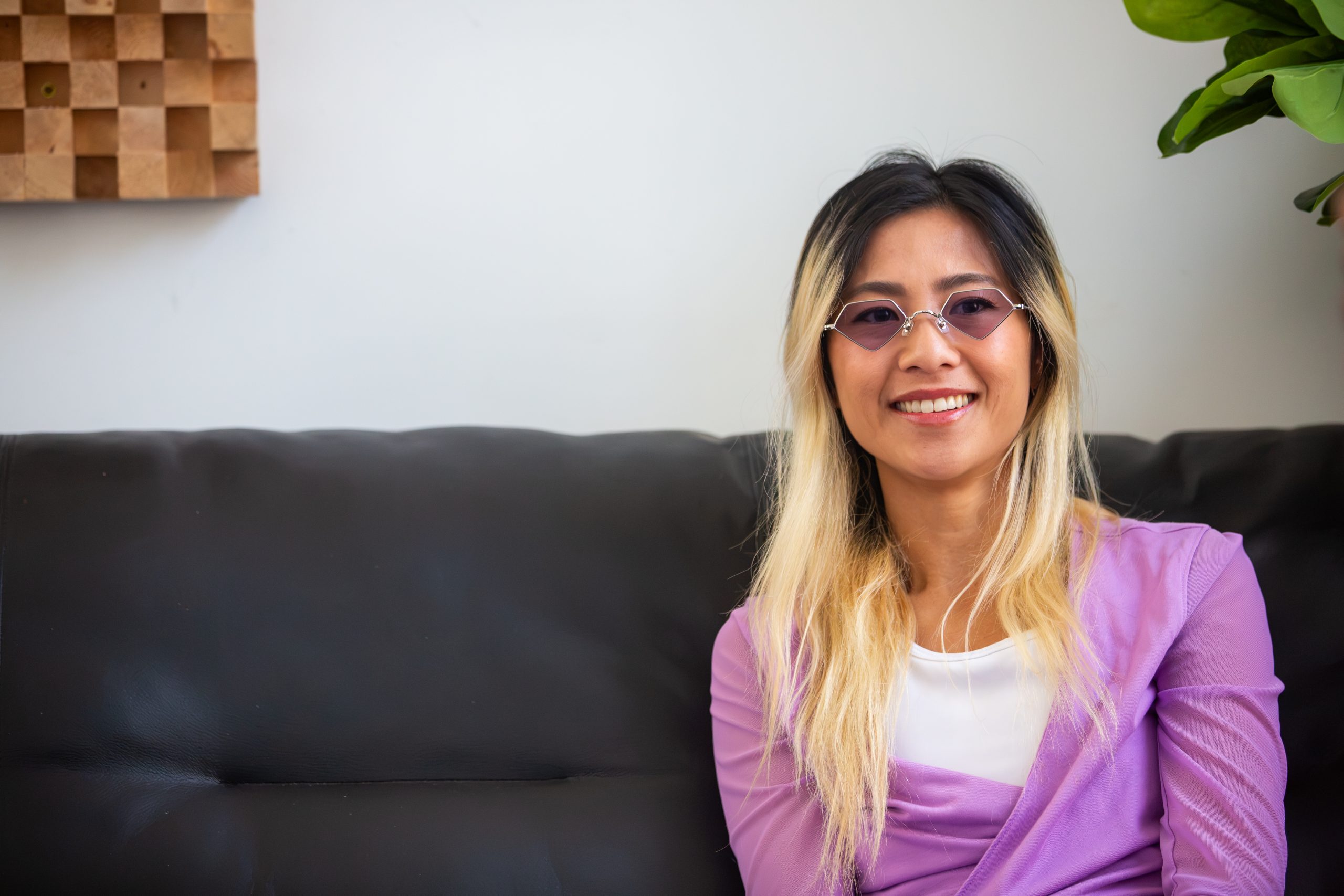
DA: After this leg of the tour, we’ll finally release the full project I’ve been sitting on for the last three years. We’ve been rolling out singles one at a time, so everything lines up perfectly. Once the tour wraps, another single drops, followed by the full album.
The album is called Bad Brain, and I’m incredibly proud of it. It’s an alt-rock and indie rock record that’s really about frustration. It has nostalgic elements, heavy guitars, moments of rage, moments of fun, pop aspects, and some melancholy. It captures a wide range of emotions, and it’s the most honest representation of where I’ve been creatively.
"Releasing the album feels like the start of an entirely new chapter."
Dolly Ave
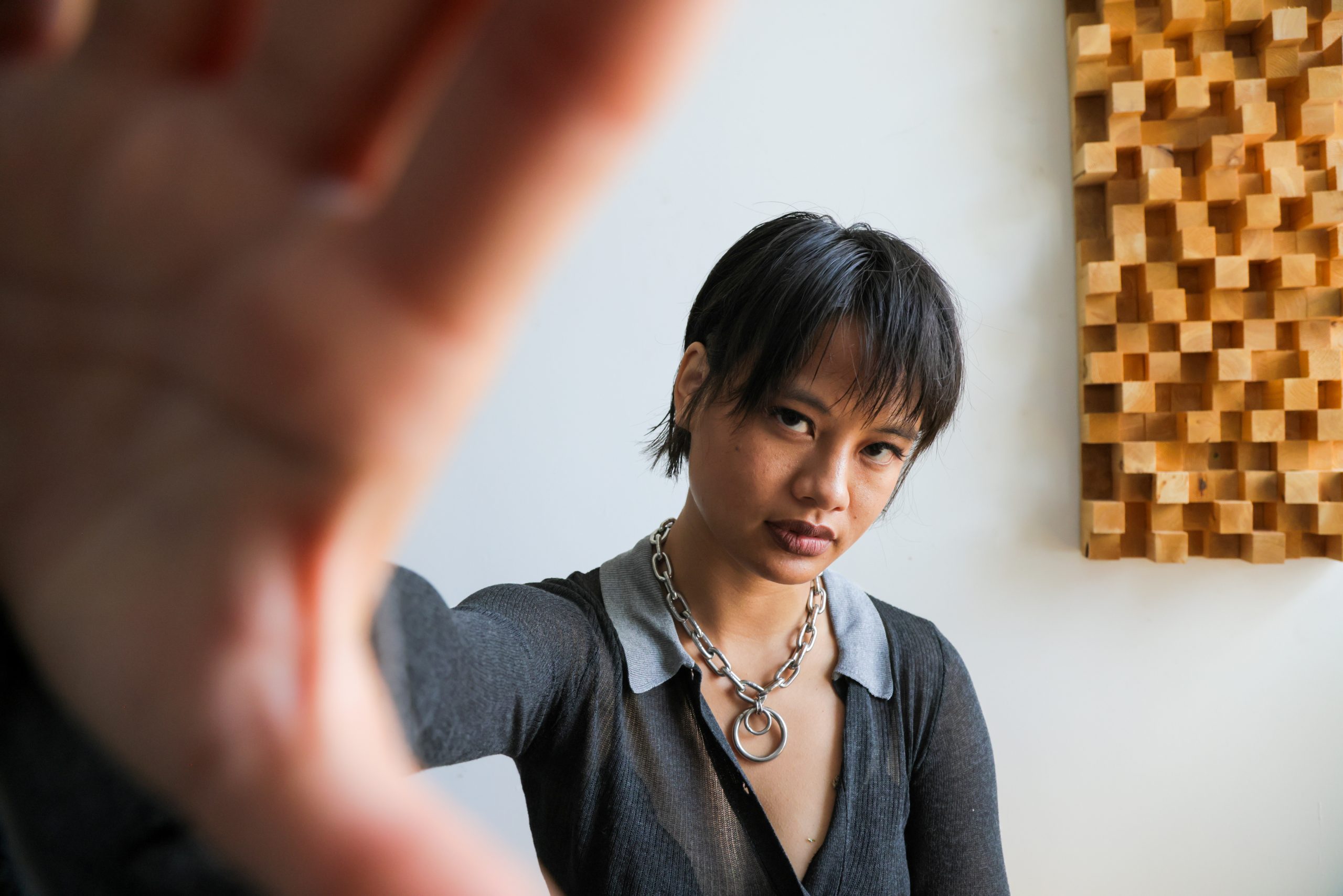
Releasing the album feels like the start of an entirely new chapter. Once you finally put your artistic vision out into the world, opportunities begin to reveal themselves. These 14 songs get to find their audience, connect with people, and take on lives of their own.
After that, we’ll be playing a lot more shows. There are some exciting opportunities on the horizon, and we’re looking forward to seeing where the music takes us next.