For over two decades, Readipop has created opportunities for people in Reading, UK, to make, learn, and perform music. The charity works with young people, musicians, and the wider community through workshops, live events, and creative projects, focusing on making music more accessible and providing practical ways to get involved.
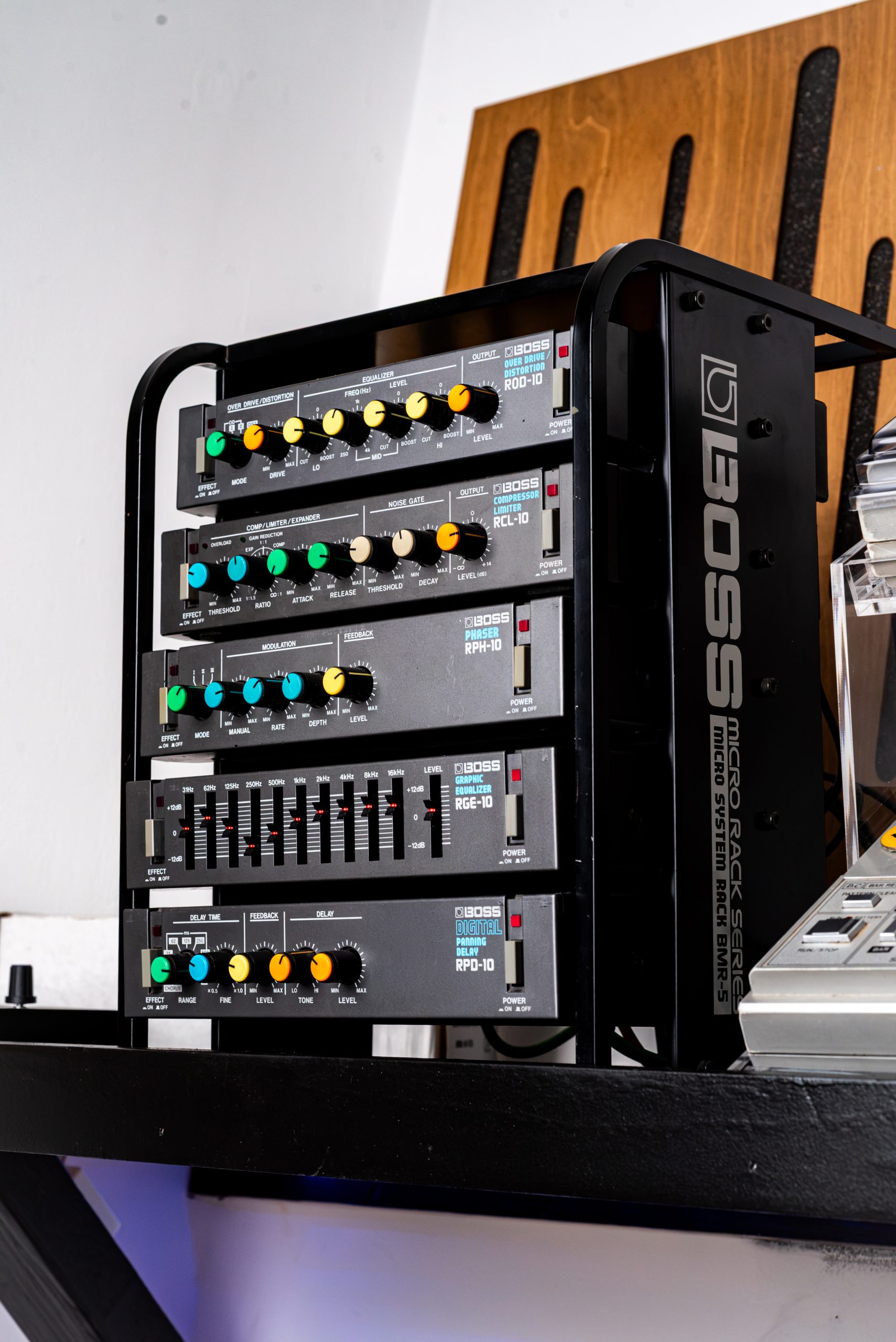
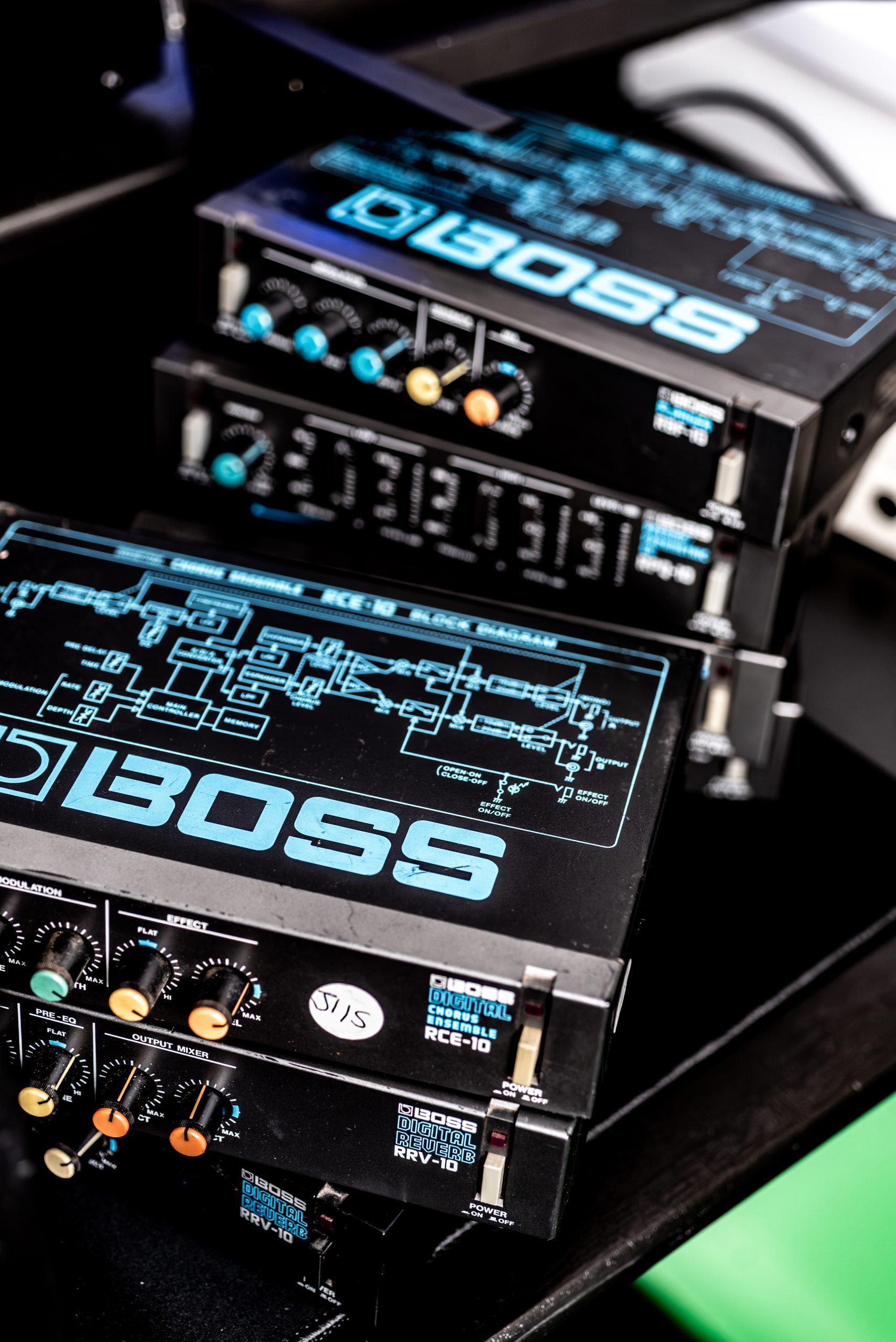
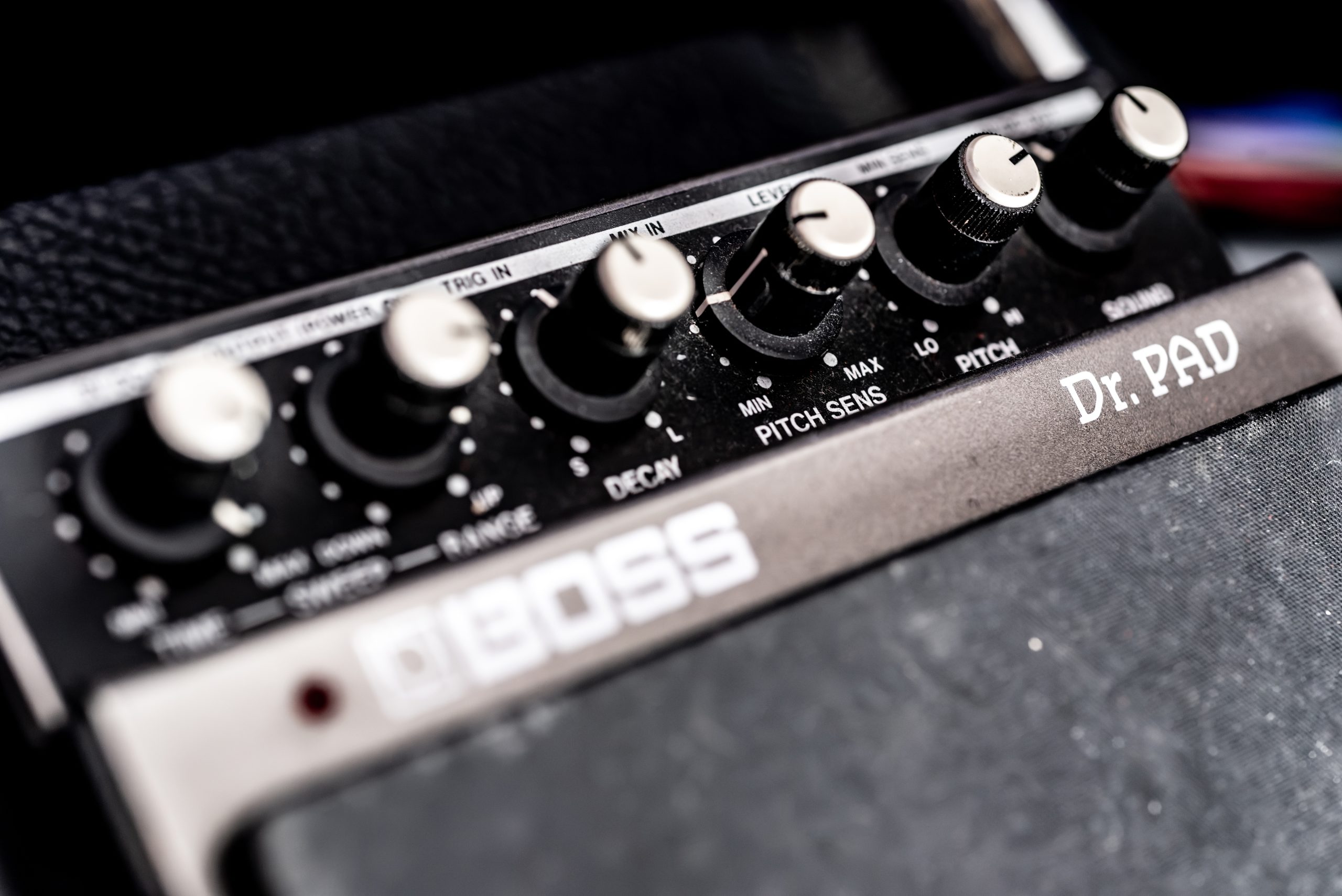
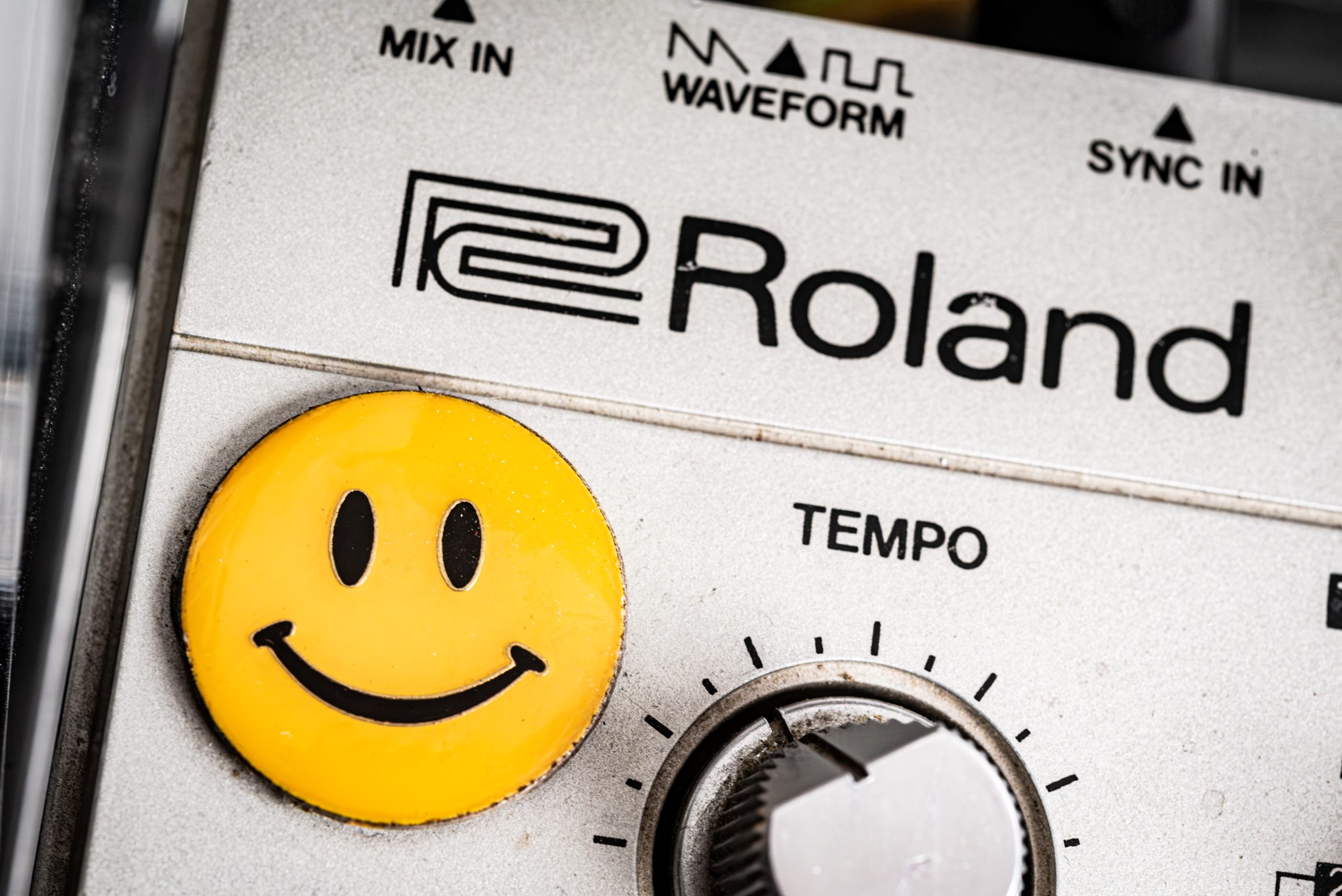
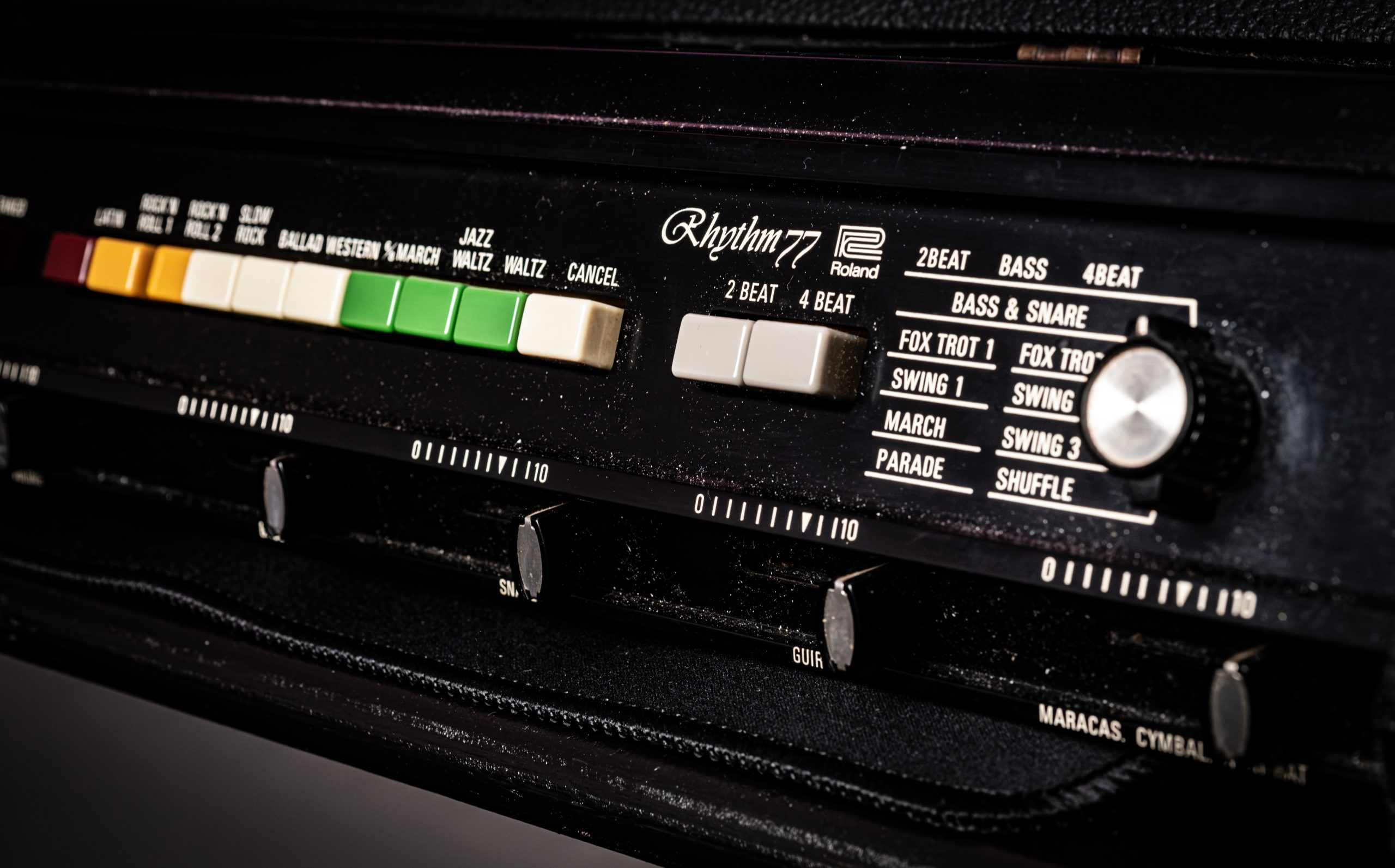
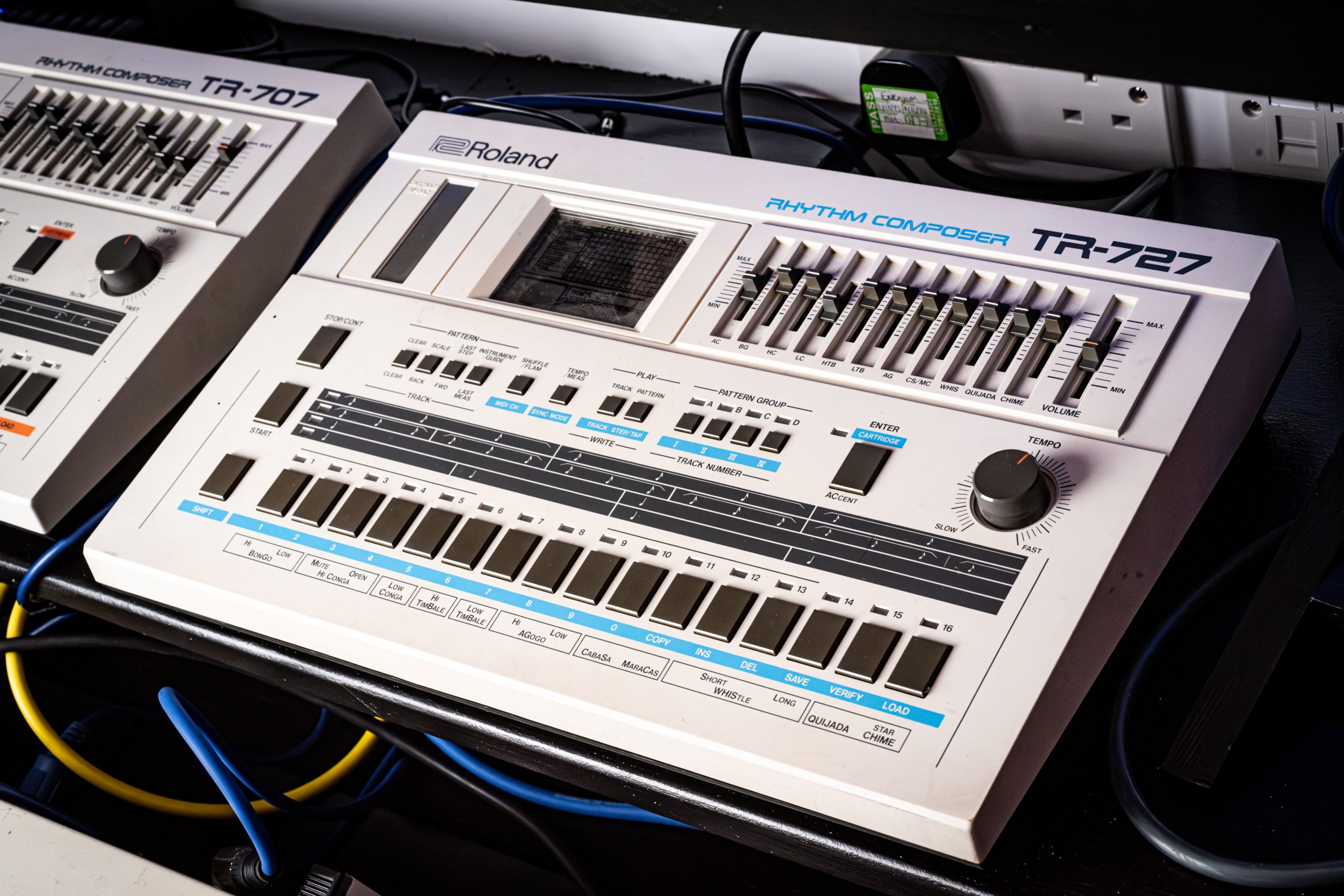
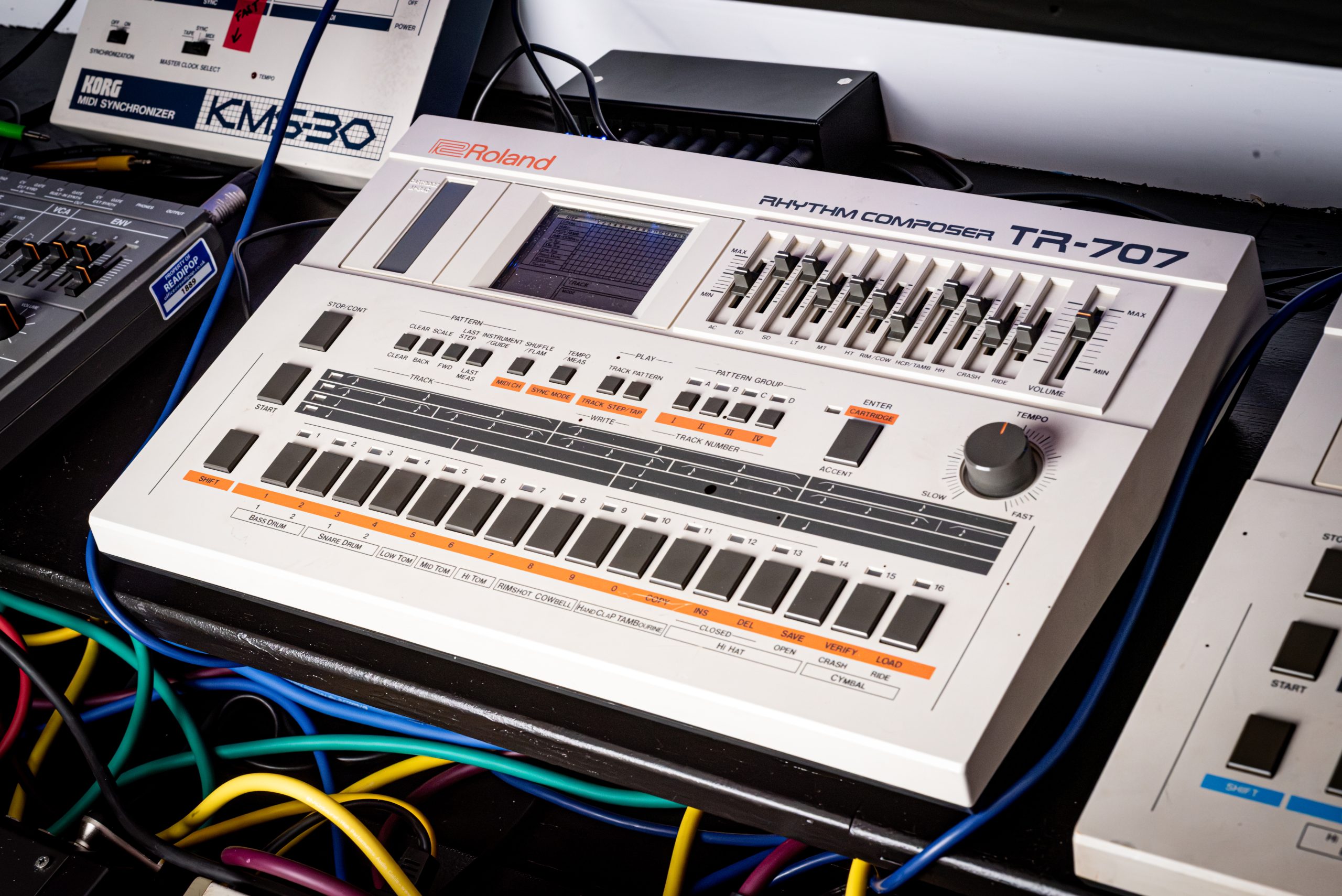
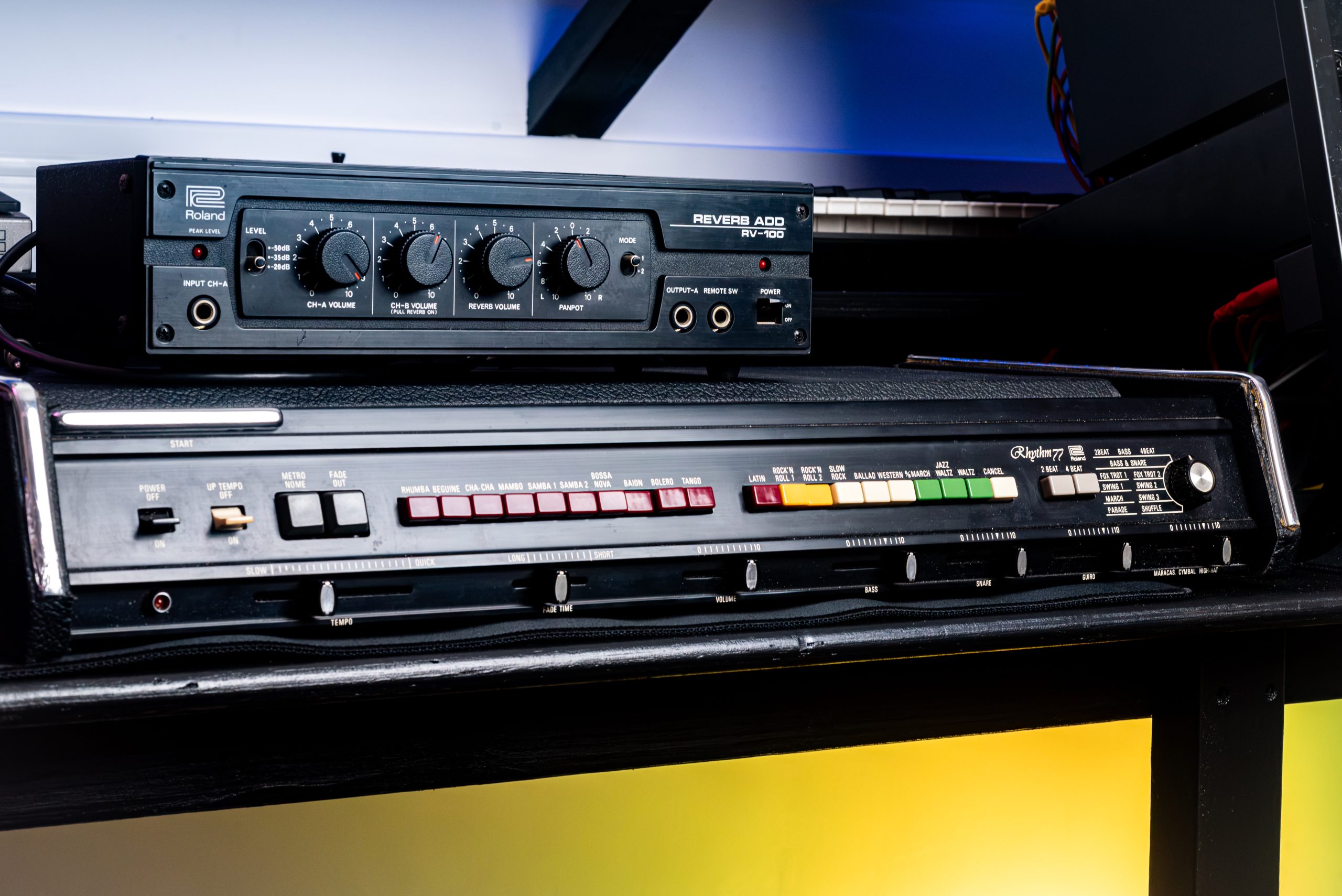
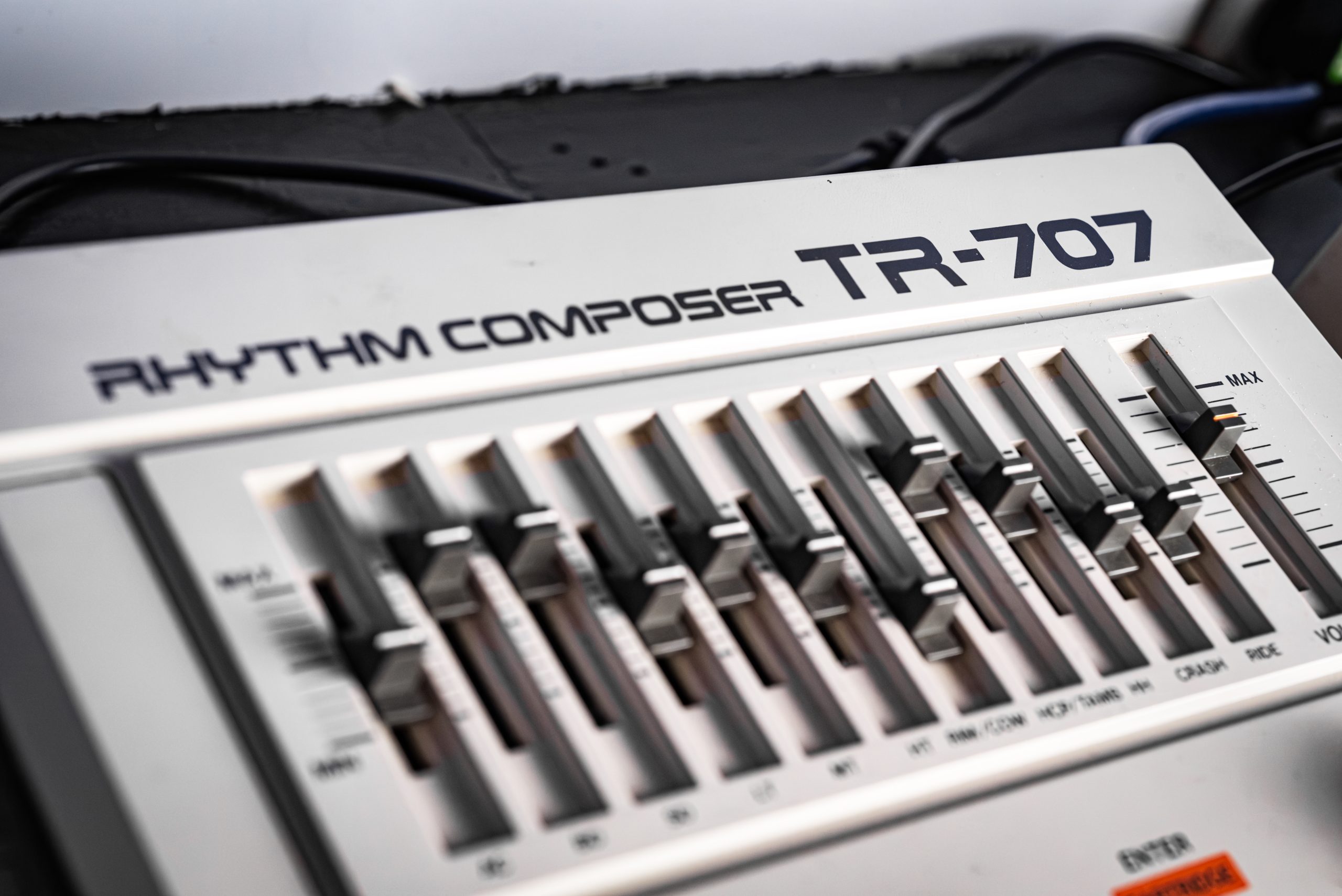
The organization’s electronic music heritage initiative extends that work into the world of vintage synthesizers, drum machines, and effects, bringing an extensive collection of original electronic music hardware together under one roof. Now housed in a dedicated studio, these instruments are being used for everything from workshops with young people to electronic music events, while Readipop begins opening the space to producers and musicians looking to work with original equipment. Today, its purpose stretches far beyond the collection itself, but it all began with a remarkably simple question: “How do I get my hands on a TR-808?”
It Started with an 808
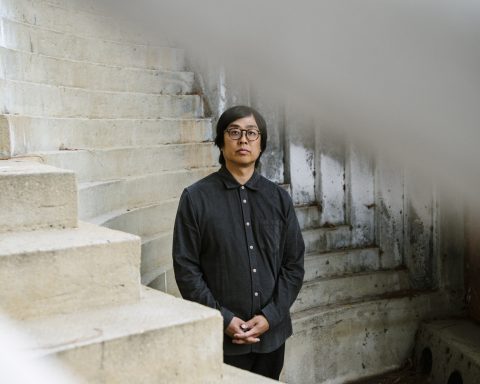
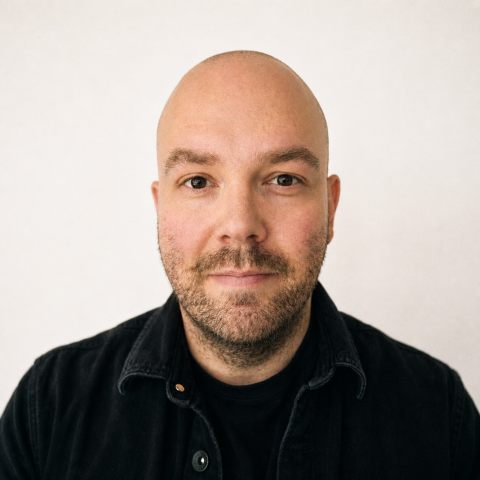
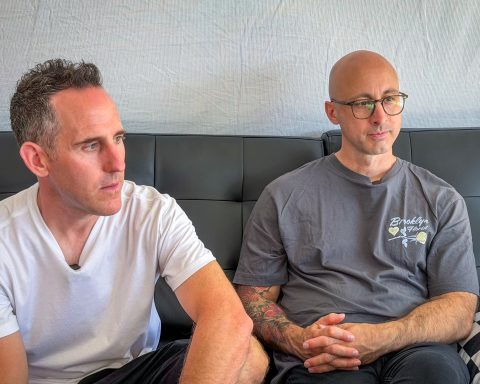
During the COVID-19 lockdown, Readipop founder Gavin Lombos had an itch to scratch: he wanted to get hands-on with an original Roland TR-808. Buying one wasn’t realistic, so he started looking at other ways to spend time with the hardware that had fascinated him for years. Renting a unit seemed like the obvious answer—until he discovered that the cost would be nearly the same. Suddenly, getting acquainted with one of these iconic machines meant finding several thousand pounds.
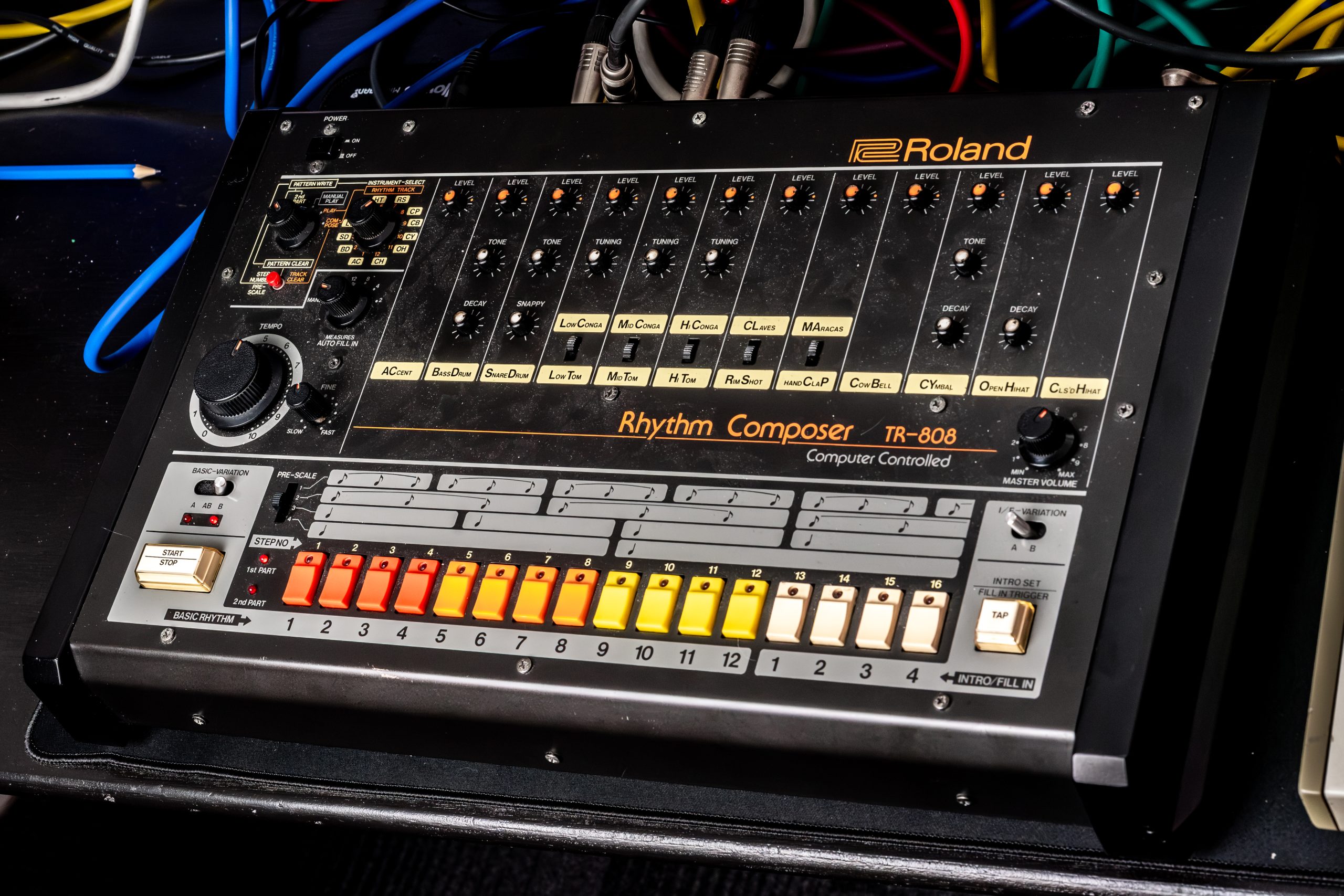
It got Lombos thinking, “If you were an aspiring producer that didn’t have loads of money, but you wanted to get your hands on some original gear, how could you do that?” As he searched for somewhere that offered that opportunity, he found museums in Switzerland and the US, but nothing comparable in the UK. “So, I was like, ‘Okay, maybe we could start that ourselves.’”
After securing funding from the Heritage Lottery Fund, Lombos spent the following months traveling around the country acquiring vintage instruments. He quickly discovered that every machine came with its own backstory. “Everybody wanted to tell me a story of what they’d done, you know, the gigs that they’d done, the music they made, or who used to own it.”
More Than the Sound
Of course, getting hold of an original 808 or 909 is about much more than hearing what it can produce. Those sounds are available through samples, software, and modern hardware. What’s harder to replicate is the experience of working within the boundaries of the original machine. As Lombos explains, “Some of it is the machine determining what’s possible and what the limits are.” Those limits shaped how the instruments were used—from the way patterns were programmed to the ways musicians could manipulate them in real time.
"If you were an aspiring producer that didn’t have loads of money, but you wanted to get your hands on some original gear, how could you do that?"
Gavin Lombos
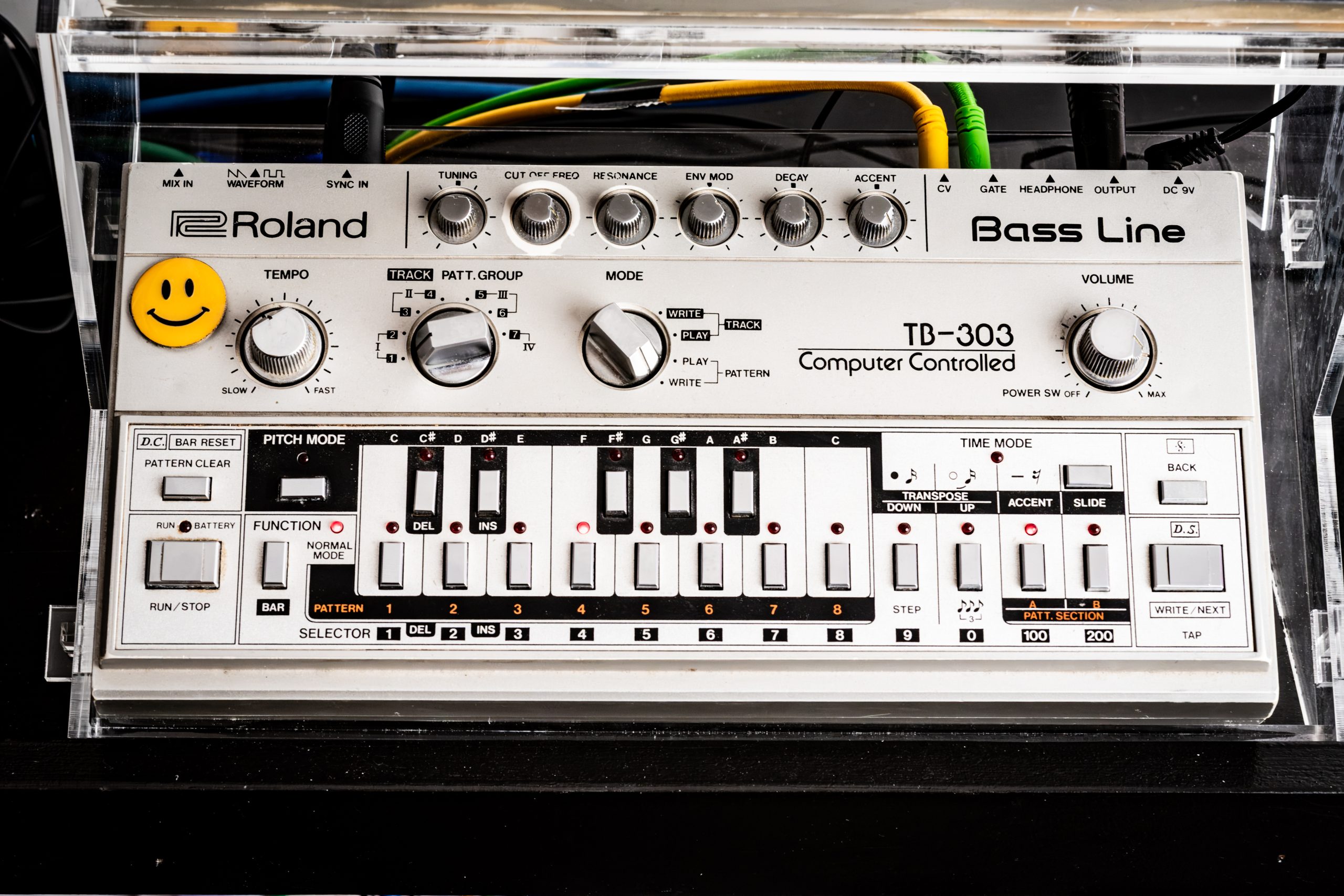
They can also lead somewhere quite unexpected. While experimenting with a TB-303, Lombos programmed accents into a sequence, only to find them moving around as it repeated. “I was like, ‘That’s really cool. I’ve got no idea how I did that. Or if I even did do it. The 303 might have just done it itself.’” It’s the kind of accident that becomes possible when you’re actively wrestling with a piece of hardware rather than choosing between predetermined options. For Lombos, there’s something in the tactile side of things. “There’s a kind of mindfulness that comes with it. You ask yourself how it makes you feel.”
“You Don’t Have to Be a Genius”
For younger visitors to Readipop, learning how electronic music works is very much a physical experience. In one workshop, participants became the steps of a sequencer themselves, standing in line and making a sound when their turn came around.
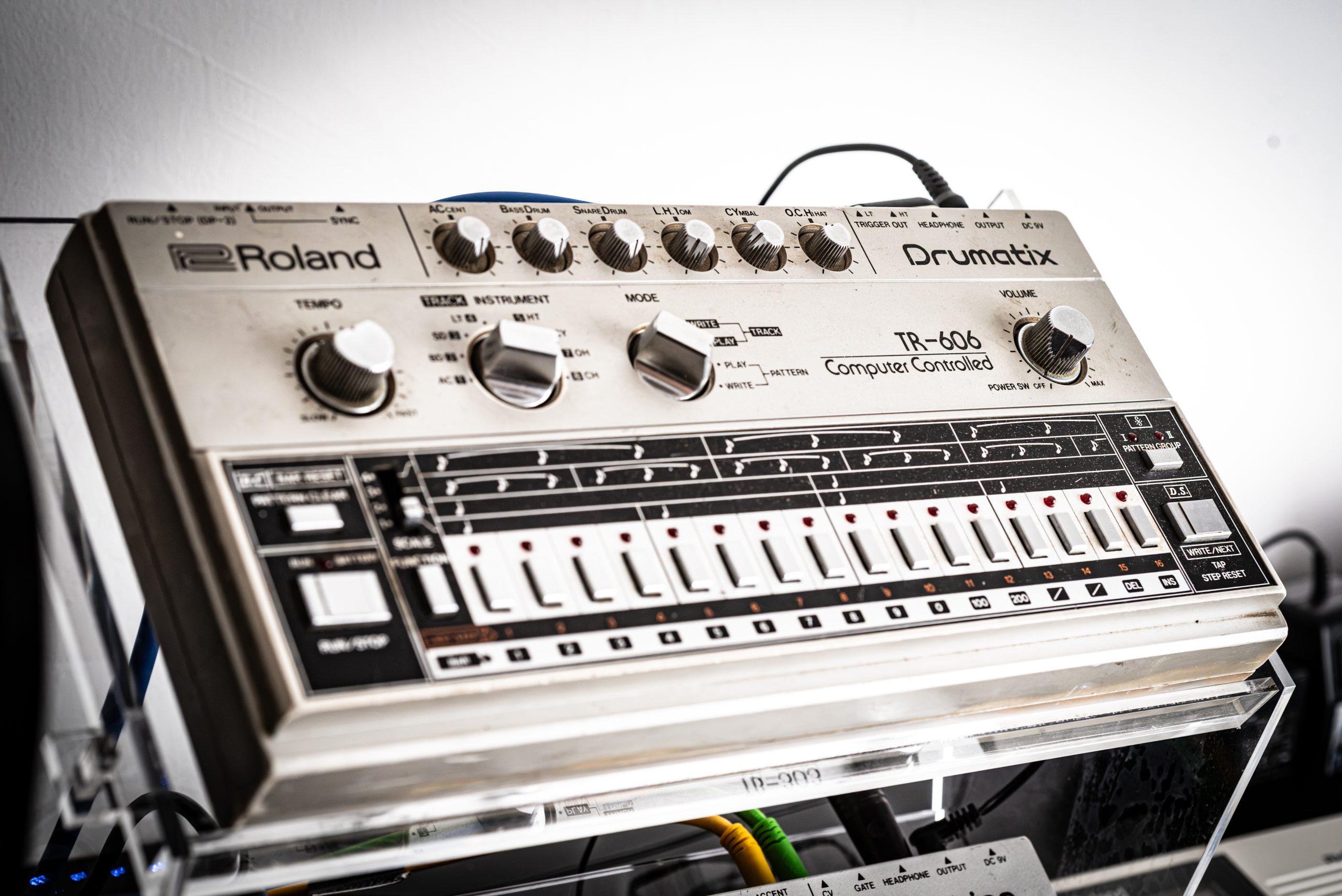
Elsewhere, simple machines like the BOSS DR-55 and Roland TR-606 offer a hands-on introduction to step programming, with the latter providing a recognizable link to the workflows young beatmakers might already know from FL Studio or Ableton Live. “They kind of recognize that format, and then we’re saying, ‘Well, this is essentially where that’s come from,’” explains Lombos.
But understanding the history is only one part of the offering. Readipop’s workshops are designed to give young people opportunities to experiment, whether that means building a beat or simply discovering what happens when they start manipulating a synth. “You just kind of go, ‘There you are, there’s a thing,’ and they will explore because it’s just fun,” Lombos enthuses.
It reflects a wider philosophy that stretches beyond vintage electronic gear and into Readipop’s work with instruments and effects. “It’s about making music-making accessible and giving people a gateway into it. Our job is to demystify things and show that you don’t have to be a genius.”
"It’s about making music-making accessible and giving people a gateway into it. Our job is to demystify things and show that you don’t have to be a genius."
Gavin Lombos
From Bedroom Producer to Live Performer
For the last two and a half years, Readipop has been running Electronic Music Open Mic (EMOM) events in Reading, giving bedroom producers the chance to bring their music out of the house and onto a stage. Sets typically run for 15 to 20 minutes, with performers arriving with everything from a single piece of hardware to much more elaborate setups.
For Lombos, that first step into live performance is an important part of what Readipop can offer, he says, “That’s one particular thing that we want to do here: give people a stepping stone from being at home on their own to performing in front of an audience.”

The forthcoming XOX Café event will take that idea further, providing a stage, lights, and visuals in a setting where performers can test their ideas among peers, discuss the gear they’re using, and learn from the moments that don’t quite go to plan. Lombos’ invitation is refreshingly straightforward: “Come and have your catastrophic failure where it all stops working here.”
And there’s little prescription about what those performances should look or sound like. Previous EMOMs have featured a laser harp, a lute accompanied by a drum machine and effects, an interactive ball triggering sounds, and even a house track constructed from samples of a washing machine. “You might think that it would just be a succession of guys in black t-shirts playing techno,” he says, “but it’s really not. It’s incredibly broad.”
A Studio for What Comes Next
With the electronic music heritage collection now housed in its dedicated studio, Readipop is beginning to explore what happens when the original hardware meets modern production workflows. Lombos wants musicians to be able to use the space in whatever way suits their process, whether that means searching for a particular sound, experimenting with vintage equipment, recording a jam to bring home, or integrating the machines into an existing Logic or Ableton project.
As he puts it, one of the areas still to explore is “[…] how we integrate fully the original vintage gear alongside some modern stuff with producers who want to come and make a track or some samples to take away.”
"That’s one particular thing that we want to do here: give people a stepping stone from being at home on their own to performing in front of an audience."
Gavin Lombos
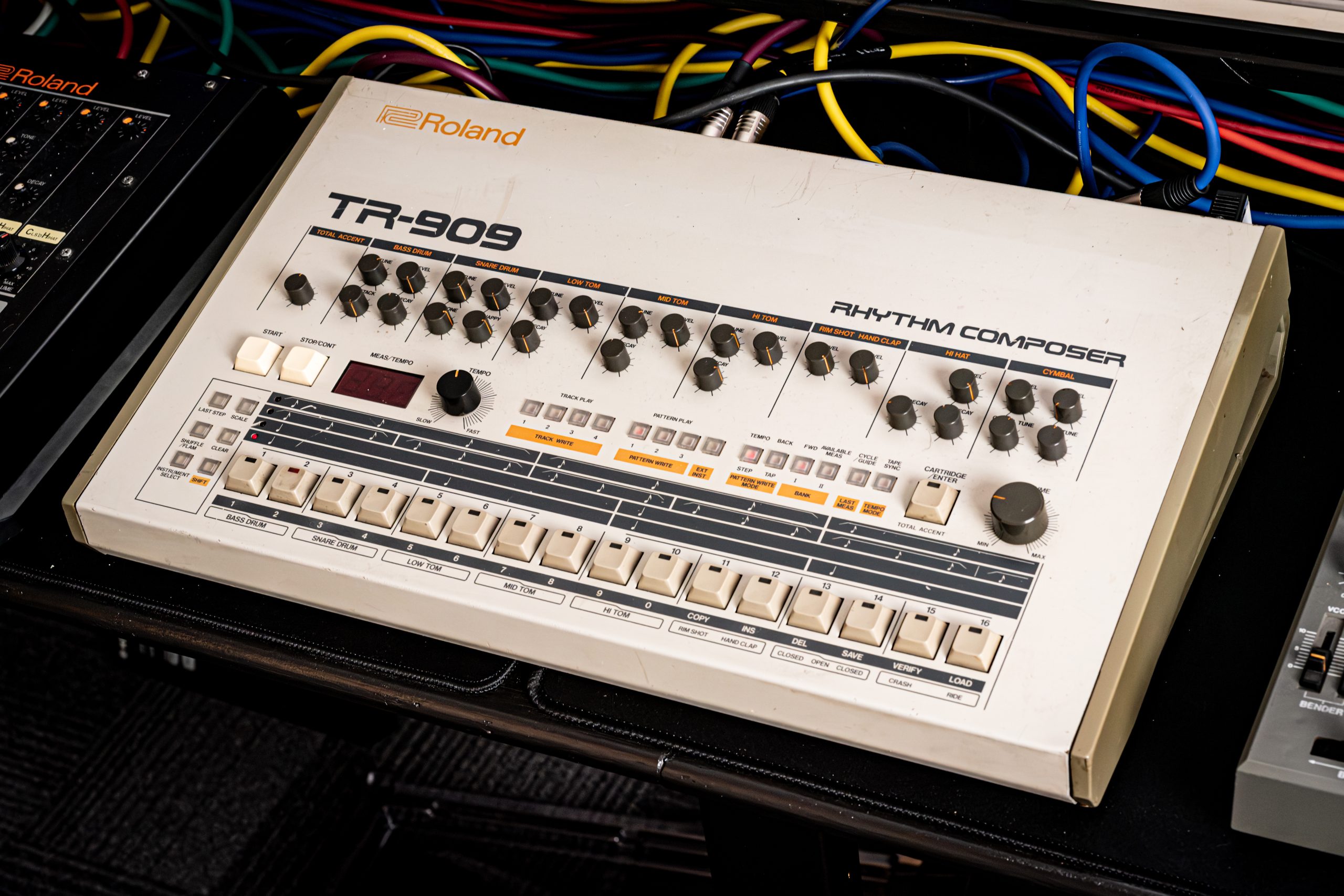
Glimpses of the shape that may take are already appearing. Working with internationally acclaimed techno artist Saytek Live on a project for 909 Day, Readipop put an original TR-909 into the hands of a producer who, as Lombos says, “had been using 909 samples throughout his career without actually ever using the machine itself.” They subsequently created “XOX,” a techno track built around the 909 and made within the technological constraints of the late ’80s.
Only the Beginning
Readipop’s ambition extends beyond simply providing access to rare equipment. The organization hopes to bring more artists and producers into the studio, document what they create, and develop new opportunities for electronic musicians to share their work. For Lombos and his team, the focus is ultimately less on celebrating the gear for its own sake than on “people actually performing and the music being created.”
"There’s a whole world of stuff to explore, and we’re just starting that journey."
Gavin Lombos
What began as a search for an original TR-808 has grown into something much broader, spanning education, live performance, and community. For Lombos, this is only the beginning. As the Readipop founder puts it, “There’s a whole world of stuff to explore, and we’re just starting that journey.”
For more information and booking enquiries for XOX Studio, visit www.readipop.co.uk/xox or contact Readipop at studios@readipop.co.uk.