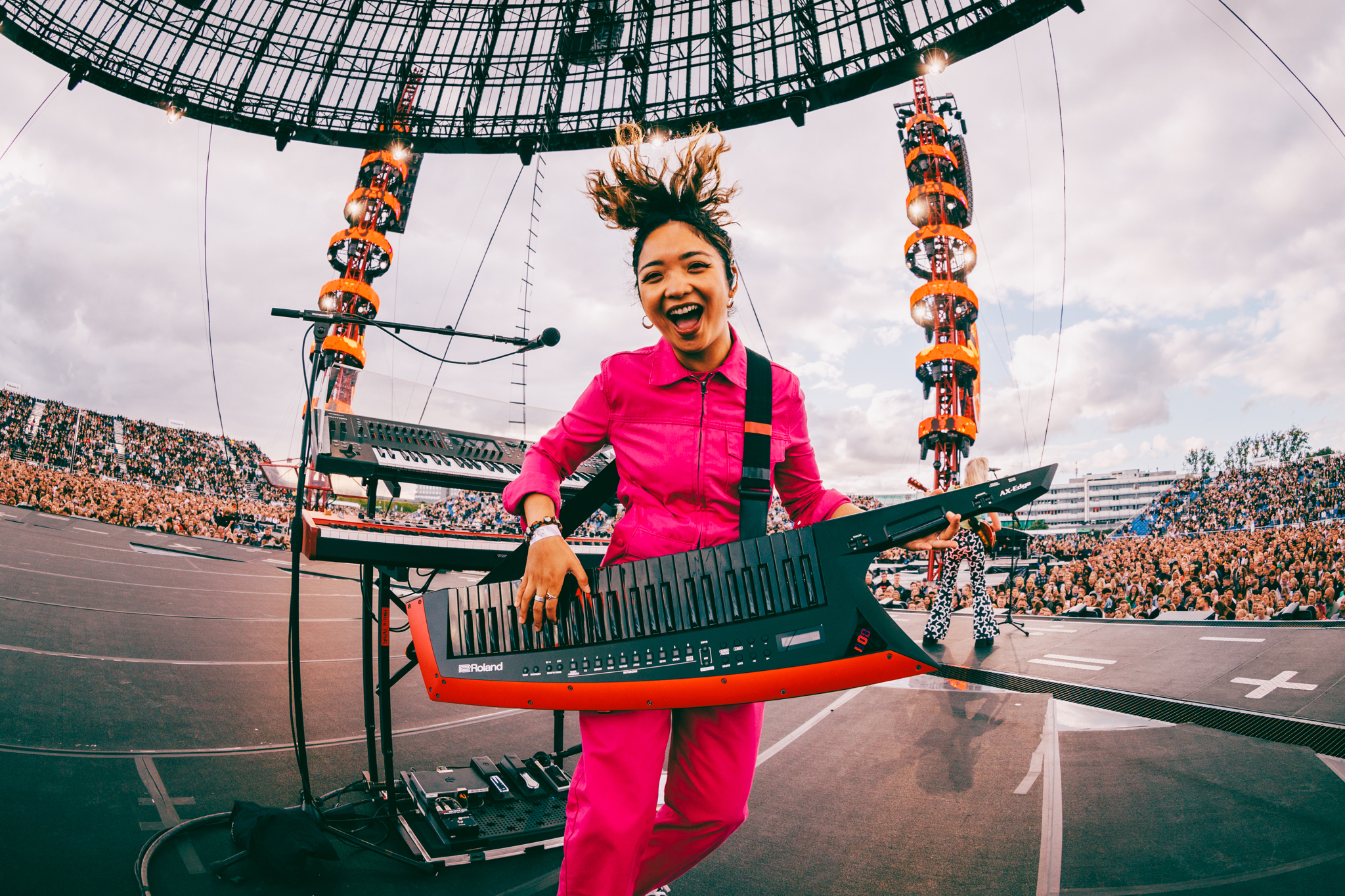


With a résumé that includes performances alongside a plethora of pop-music heavyweights, Tina Hizon has built a career as one of the UK’s most in-demand session musicians. In this interview, she reflects on her journey from London’s BRIT School to some of the world’s biggest stages, shares what she’s learned from more than a decade on the road, and discusses the opportunities, relationships, and experiences that have shaped her career.
From Karaoke to Keys
Was music always a big part of your life growing up?
I was born in London, but both of my parents are Filipino, and karaoke is a huge part of our culture. There are pictures of me at two years old holding a microphone and just making sounds, so I think it’s always kind of been in there. When I was four or five, I started going to Filipino community gatherings every Saturday, where I’d sing and dance. My parents found out about auditions for Miss Saigon in the West End and put me forward for it. I ended up playing Tam, and I think that’s where everything clicked for me. It’s probably why the stage is where I feel the most comfortable.
When did music become more than just singing for you?
I was seven when I first started playing piano and violin, and I attended Saturday classes at Guildhall School of Music & Drama until I was about 16. Everything changed when I started playing pop music and learning songs by ear on the piano. I remember thinking, “Oh, this is fun. This is what I like doing.” That’s when it all started to make sense.
"I saw Alicia Keys playing and singing and thought, 'This is exactly what I want to do.'"
Were there any artists who inspired that shift from classical music to pop?
Alicia Keys. It has always been Alicia Keys. Her and Sara Bareilles were the two artists I saw playing keys and singing, and I thought, “Oh my God, that is exactly what I want to do.”
Did you already see yourself pursuing music professionally?
Music was still very much a hobby, but I always enjoyed performing. From a young age, I thought I wanted to be a recording artist. It wasn’t until I was at BRIT School that I realized there were other jobs in the industry that I could do.
BRIT School and Beyond
How did BRIT School come about?
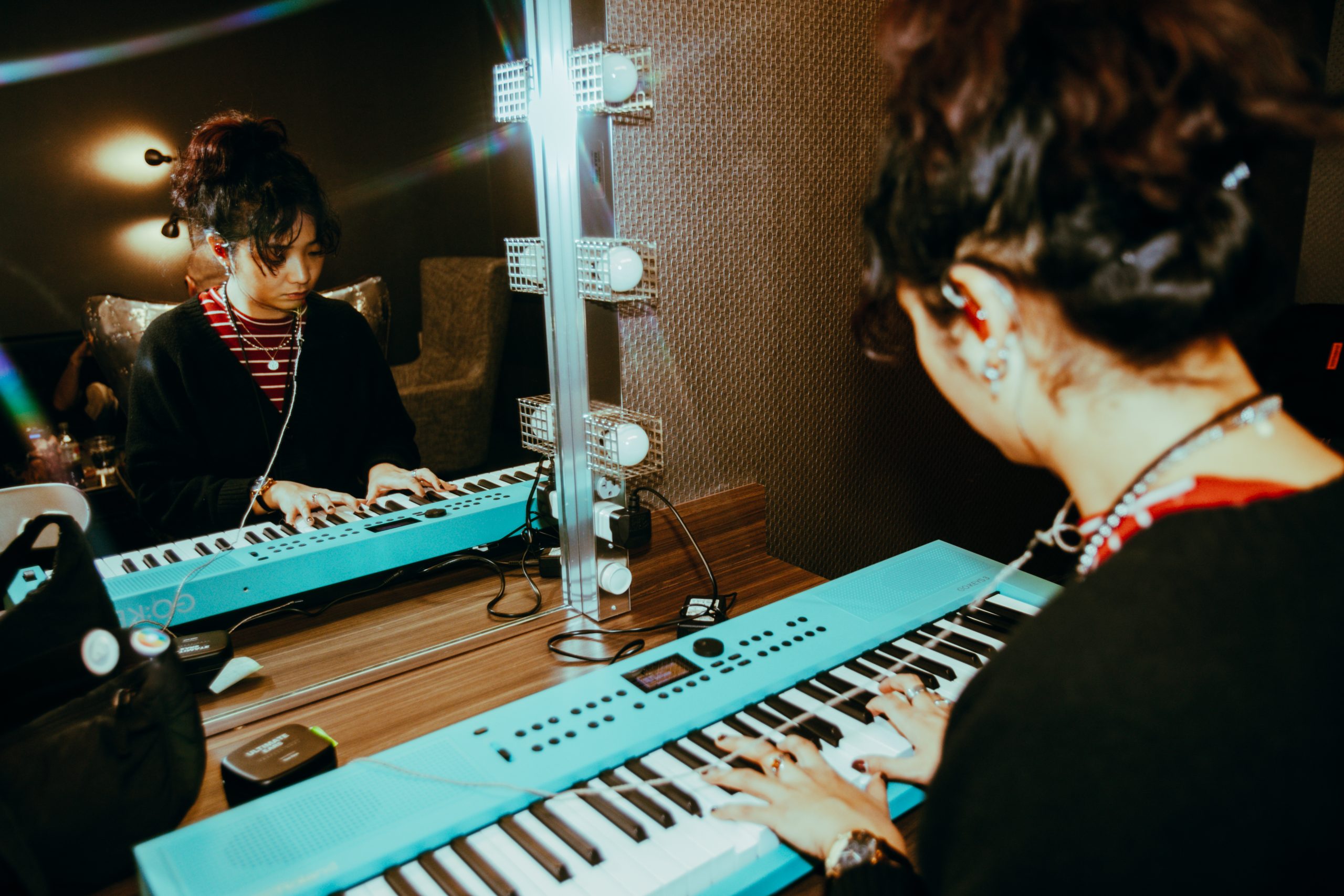
My mum told me about it. She’s the queen of researching, which I really appreciate. I’d been to performing arts schools before that, but I wasn’t fully aware of BRIT School. We went to an open day, and I initially applied for musical theatre. Then I saw the bands and thought, “No, music is for me. That’s what I want to do. I want to be in a band.”
What was it like playing with other musicians for the first time?
BRIT was my first experience of playing with other people. I found it so exciting. We had to learn lots of covers, and learning what makes a song work was fascinating. Picking out parts and understanding arrangements has really followed me throughout my career. I think it’s amazing bringing something from a record to life and finding ways to make it sound more live and exciting.
When did session work first become a serious possibility?
Throughout my career I’ve just fallen into the right place at the right time. At BRIT School, I discovered that you could just play keys or be a session musician and play for different artists. I naturally started getting asked by friends to play on their original projects and gigs, and that’s how it started.
"Sometimes you just need one opportunity, and things can grow from there."
How did your first professional opportunities come about?
After BRIT, I decided to study accounting at university, but I stayed in London. A friend I was playing with introduced me to Jacob Banks at a gig, and he asked if I could play with him the next day for BBC Radio 2. That was really the beginning of my session career.
Sometimes you just need one opportunity, and things can grow from there.
What were those early years of session work like?
One of the first bucket-list moments was playing Later… with Jools Holland with Jacob. I think that’s every British musician’s dream. It was incredible, but there was also so much pressure. You’re surrounded by all these amazing artists and bands, watching each other perform, and then waiting for your turn. I remember seeing Dido and Seasick Steve and thinking, “What is going on!?”
After that, I auditioned for Becky Hill. It’s wild because she’s had such a huge rise in recent years, but I joined right at the beginning of her career. I remember telling her I’d studied accounting at university and she said, “Tina, you’re not going to need that.”
One Gig Leads to Another
When did things start to grow?
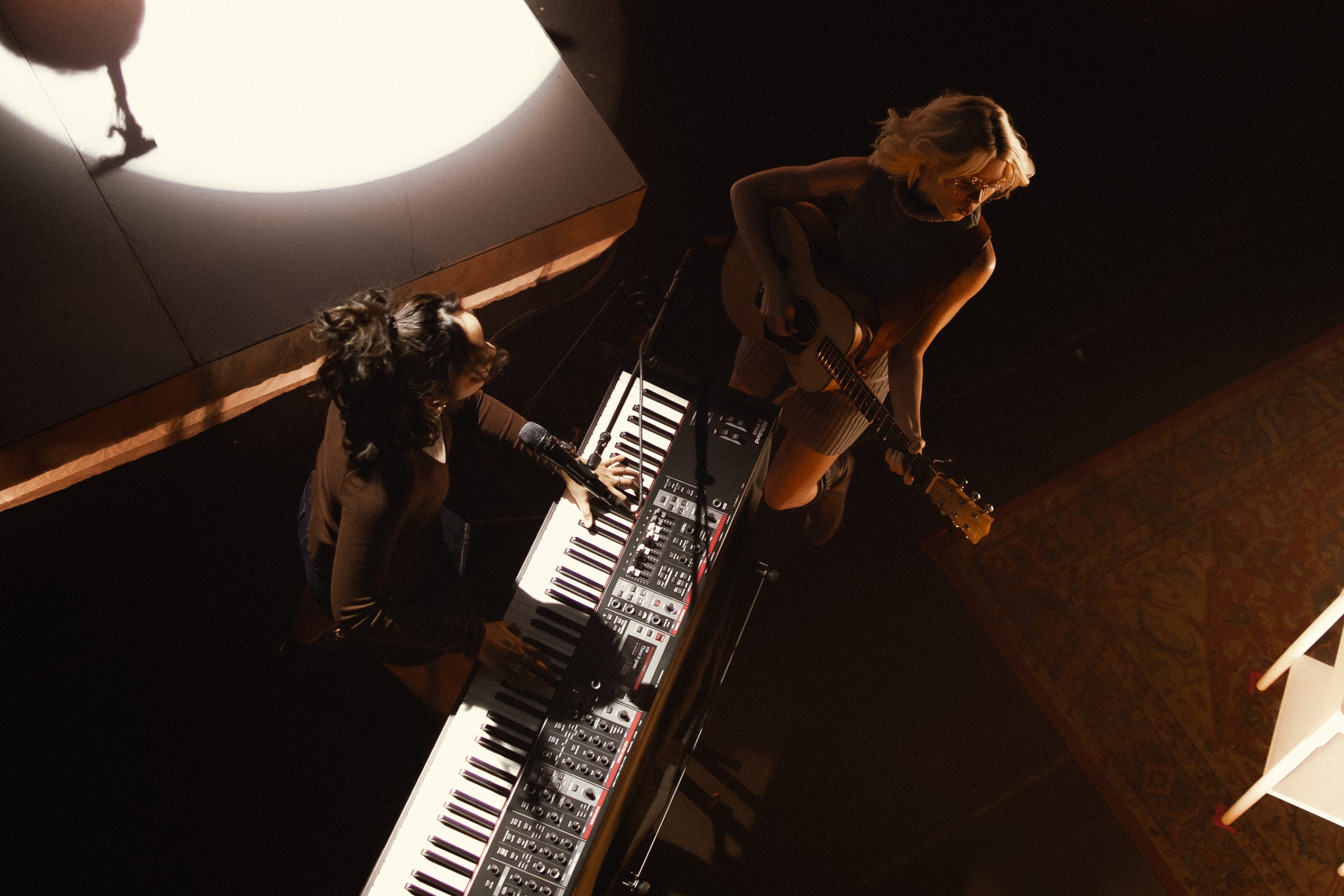
I’d been working as an accounts assistant after university and then the opportunity to audition for Clean Bandit came up. I’ve found throughout my career that every time I go and do something else, opportunities come up that remind me this is the path I’m meant to be taking.
Clean Bandit was my first big worldwide touring experience. It was the first time I toured around Europe, America, Australia, and Asia. We played Glastonbury, Coachella, and Red Rocks. At the time, it was such a whirlwind that I wasn’t really able to take it all in. It’s only now that I realize the magnitude of some of those experiences.
What came next?
After Clean Bandit, I got the Pet Shop Boys gig. I auditioned for that as well, and it was the first gig I got through my now great friend and agent, Bob Knight.
That was one of my favorite gigs I’ve ever done. If I could go back to that period of my career, I would. It was a beautiful time, and we went to some amazing places. It was my first time in South America, and their fans are electric. The set was so much fun, and Neil and Chris were lovely. If you enjoy the music you’re playing and the artists you’re playing for, it doesn’t feel like work!
How did the pandemic change things for you?
I was lucky enough to get the Dua Lipa gig just before COVID hit, and she became one of the biggest artists during that period. COVID was polarizing for a lot of performers. Some really struggled because they couldn’t tour, while others blew up through social media or new releases. Dua’s album Future Nostalgia was insane.
We did lots of remote performances. We did things like The Late Late Show with James Corden, but I was doing it from my bedroom. We also did livestreams, which was really cool because we were still able to work.
It was a crazy time. I’d gone from constantly being away and traveling to having everything canceled. We were actually in rehearsals for a Dua tour when we were told we were going into lockdown!
"It's been amazing to watch Maisie (Peters) grow and to be part of a project from the very beginning."
What led you from Dua Lipa to some of the projects you’re involved with today?
I started to play full-time with Maisie Peters. She was about to support Ed Sheeran, and I ended up playing for Ed as well. That was one of my favorite tours ever.
I actually met Maisie in 2017 and have been playing with her ever since. We first toured together in 2018, supporting Tom Walker, and we became best friends. It’s been beautiful to watch her grow and to be part of a project from the very beginning. With a lot of artists, you join once everything is already established. With Maisie, I’ve been able to see that journey from the start.
You’ve also worked with some legendary rock musicians. How did the Roger Taylor gig come about?
Someone recommended me, and his musical director emailed me out of nowhere. They were looking for someone who could play keys, a bit of guitar, sing, and cover a few different roles.
I remember thinking, “Am I going to enjoy this?” I was going to be the only woman in the band and a lot younger than everyone else. It turned out to be one of the most enjoyable experiences of my career. One of the craziest moments was playing with Roger and then having Brian May walk out on stage as well. It was one of those moments where you think, “Is this my life?” I was playing Queen songs with half of Queen!
The Company You Keep
You’ve played with artists at every stage of their careers. What qualities do you admire most?
I joined Sophie Ellis-Bextor’s team last year, and it’s been incredible to see the resurgence of “Murder on the Dancefloor” because of its use in Saltburn. Sophie had been touring constantly, so when all those new opportunities came along, she was ready for them.
I love and respect her so much, and I’m very lucky that we’ve built a friendship as well as a professional relationship. Seeing how she carries herself in the industry, and how she has remained true to who she is as an artist, has been really inspiring.
More recently, you’ve been touring with Zayn Malik. What has that experience been like?
For Zayn, it was my first time working with an all-American band and team. That’s been really interesting because it’s introduced me to a whole new network of musicians and people that I probably wouldn’t have met otherwise. And we played the O2, which has always been one of my big goals!
"I was nearly in tears when I got the call for Olivia Rodrigo. I'd messaged one of my friends the week before saying, 'I would love to do that gig.'"
You also just joined Olivia Rodrigo for Radio 1’s Live Lounge. Was that a big moment?
It was kind of crazy because Live Lounge has been on my career bucket list for the past ten years and to be able to do it with such an iconic artist made it even more special and worth the wait.
I was nearly in tears when it all fell into place. The week before, I’d messaged one of my best friends saying, “Oh my God, I would love to play for Olivia.” Then, a week later, I got the call!
Serving the Song
Was there a particular moment when the scale of your career really hit home?
Playing the Pyramid Stage at Glastonbury with Maisie was definitely one. There’s always pressure with those moments, but for me it’s usually excitement more than nerves. If anything, being nervous just means you care.
What do you think separates a great session musician from a good one?
I think they listen. There’s less ego involved and you’re facilitating the song. You should listen to the song, listen to your part, and work around what the artist wants to create on stage and how they want to be heard. It’s not about showing off. It’s about playing the song really well.
What do people misunderstand about session work?
It looks so fun from the outside, and obviously that’s what people put on social media. But it’s hard work. You’re away all the time, and I’m always fighting an illness because my body is tired and I haven’t slept enough.
There’s also the unpredictability of sessioning. I’ve had tours canceled, and that’s really hard because you think your year is going to look a certain way, but it can be taken away so quickly. When you’re freelance, you suddenly have to find work somewhere else or find another way of making money.
The Tools of the Trade
What role does technology play in your work?
At BRIT School was when I first learned about programming sounds. The first synth I played was a Roland JUNO, and I remember thinking, “Oh my God, this is so cool.” I had a tutor there who was a real synth head, and he helped a lot with programming. I thought it was amazing, creating sounds and listening to a song or a specific part and having to recreate it.
We’d be given songs and then have to program the sounds for them, which is exactly what sessioning is like and what I’m still doing to this day. I’m hearing stems and thinking, “Okay, how am I going to make this with what I have?”
What matters most to you when choosing a keyboard for professional work?
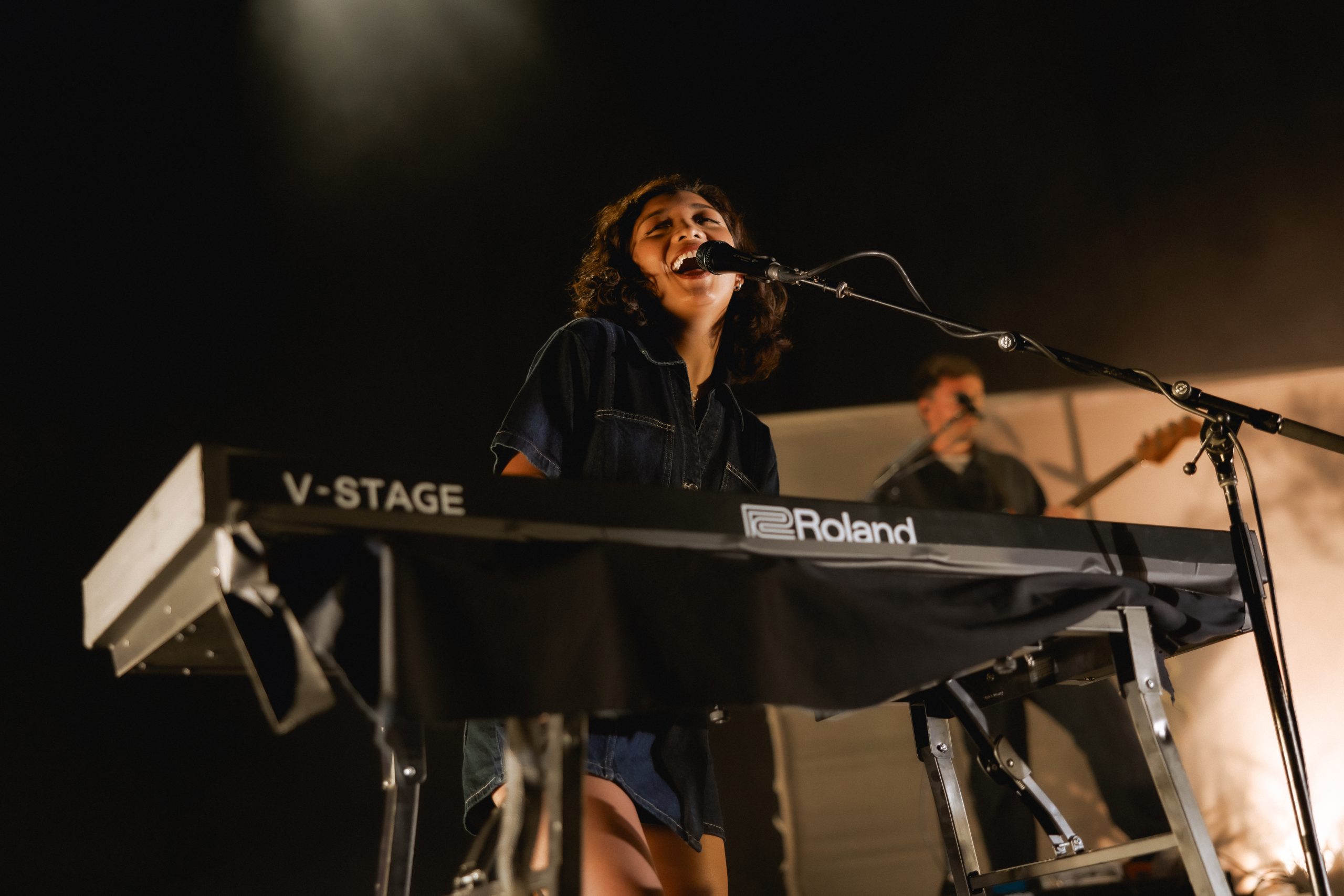
Because I’m predominantly a piano player, the feel is so important to me. That’s been quite hard to find throughout my career. When I sit at a real piano, I find it really inspiring. That’s what I want from my gear, and that’s how I feel with the Roland V-STAGE. It’s really nice to play, and being able to edit the sounds so thoroughly is amazing.
"I want one instrument that can do everything really well, and the FANTOM does that."
Is there one instrument that has become a constant throughout your professional career?
The FANTOM. I take it everywhere.
One of the things I love about it is that it has all these different Roland instruments built into it. Because I’m small, portability is important to me. I want one instrument that can do everything really well, and the FANTOM does that. It means I don’t have to carry lots of different keyboards around with me.
You’ve also used the Roland AX-EDGE Keytar in recent years. How did that come about?
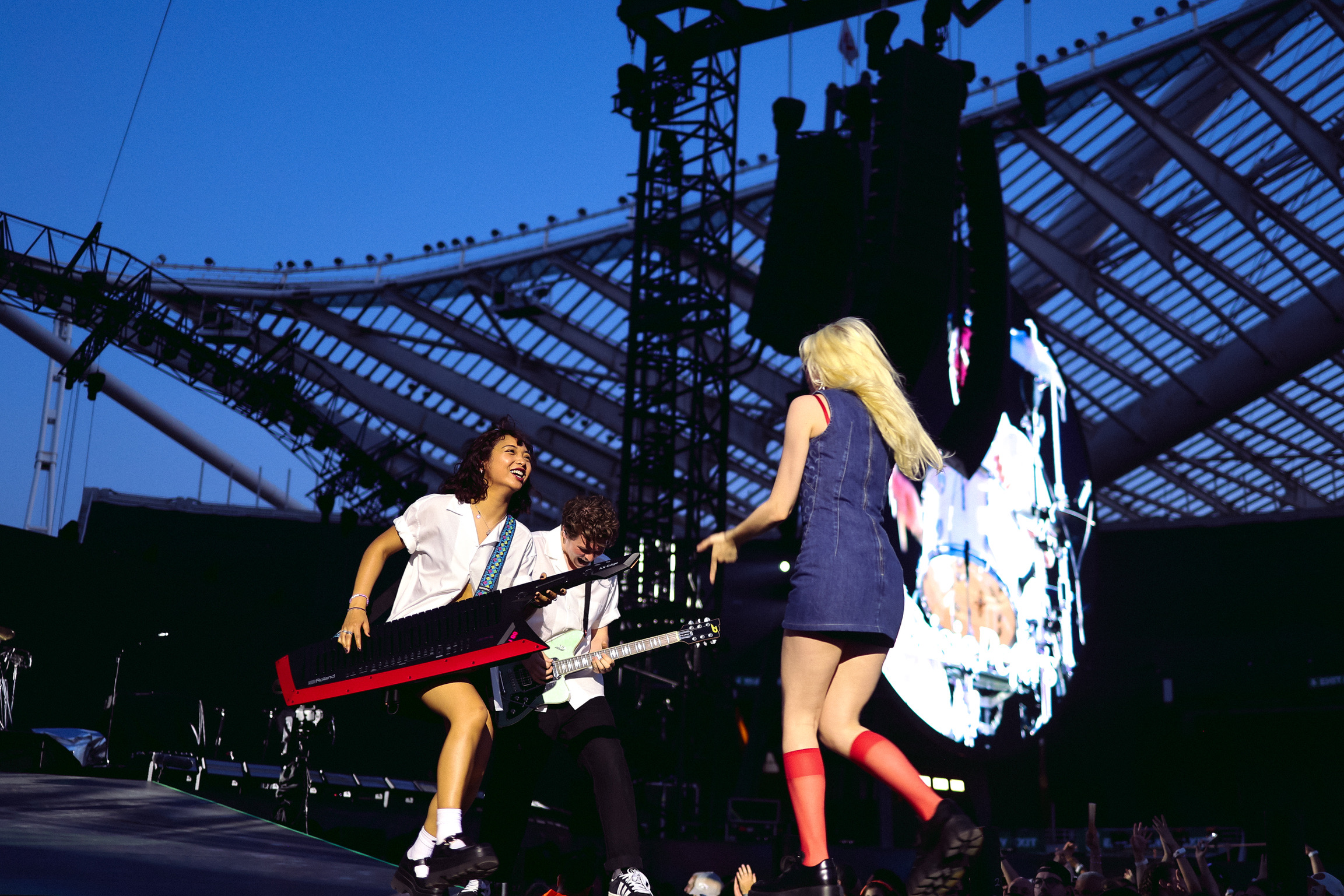
We were in rehearsals and I quite unseriously suggested the AX-EDGE, but to my surprise everyone was on board with it! It’s been so fun to use on the Maisie and Sophie gigs as there’s much more freedom in movement.
Eyes on the Future
What excites you about pop music right now?
I think it’s really exciting what all the young female artists are doing right now. I’m so excited for Olivia Rodrigo’s new album and how bold she is in going for a sound that she’s passionate about. She’s not following any trends, she’s just making music that she loves, and you can really tell.
You also have artists like RAYE, Zara Larsson, and Olivia Dean, who have been in the industry for years and are finally having their moment. It’s so deserved because you see how hard these women are working. It’s beautiful to see them being celebrated for doing their own thing.
I think representation is really important. It’s great to see artists such as Olivia, Zayn, and Chappell specifically finding all-female musicians for their live bands and helping to encourage younger generations. I wish I’d seen more of that growing up.
What advice would you give to young musicians who are just starting out?
Say yes and do lots of gigs. Learn lots of music and learn how to program sounds. Programming different sounds from songs you like is really good practice for what it’s like in the industry because sometimes you get called in at the last minute and have to make things happen quickly.
I also wish I’d found more ways to make practice fun. Coming from a classical background, it was very focused on scales and sight reading. If I were helping a young musician now, I’d say find a song you really love and learn it by ear, or learn how to program a particular synth patch. Find a way of making it enjoyable, because music is fun and that’s why we all do it.
And beyond playing, being a touring musician is also about the hang. You have to get on with other people, be sociable, and learn how to work within a group dynamic. That’s a huge part of being on the road and being part of a team.
Oh, and learn how to do a tax return!