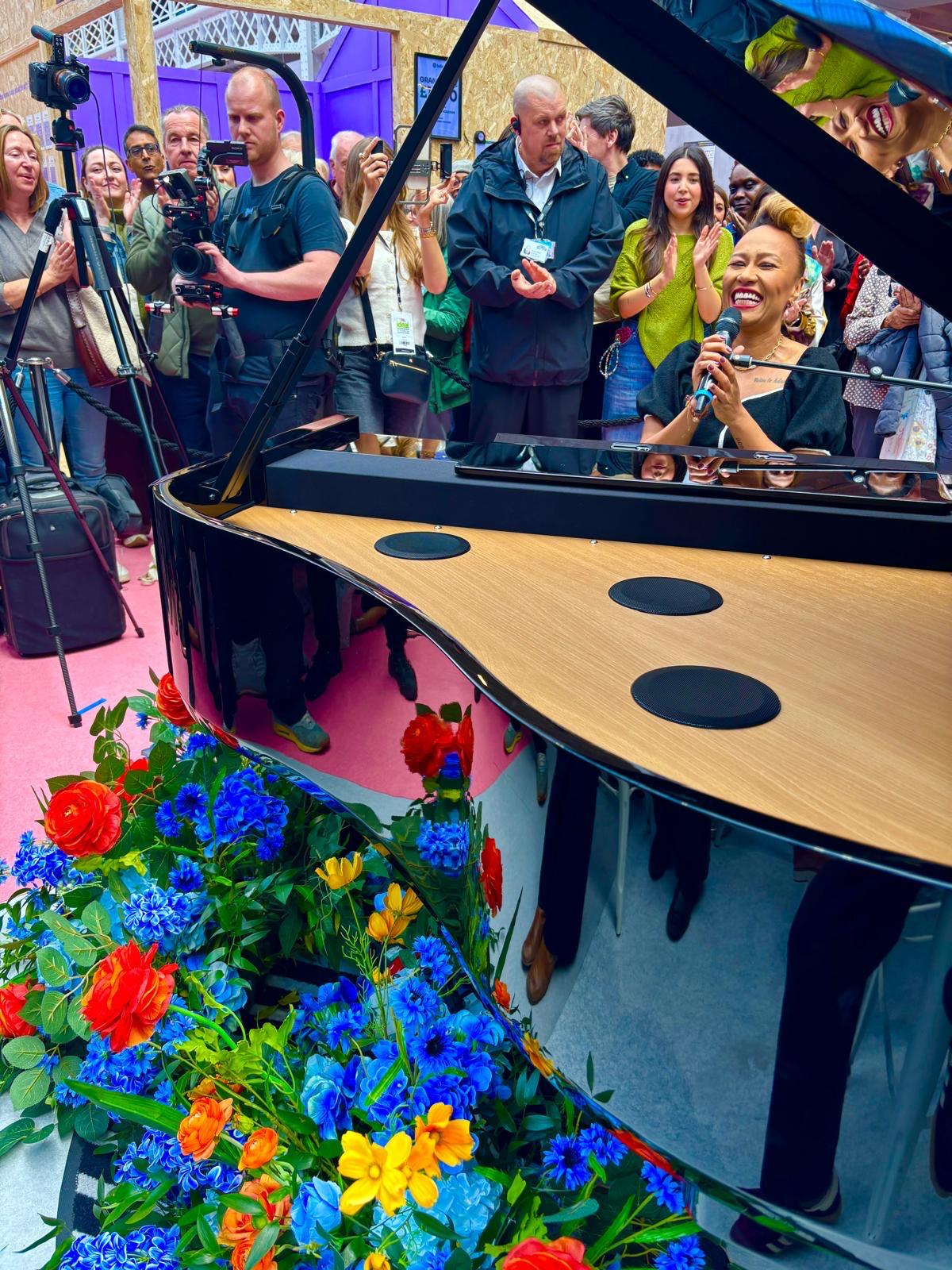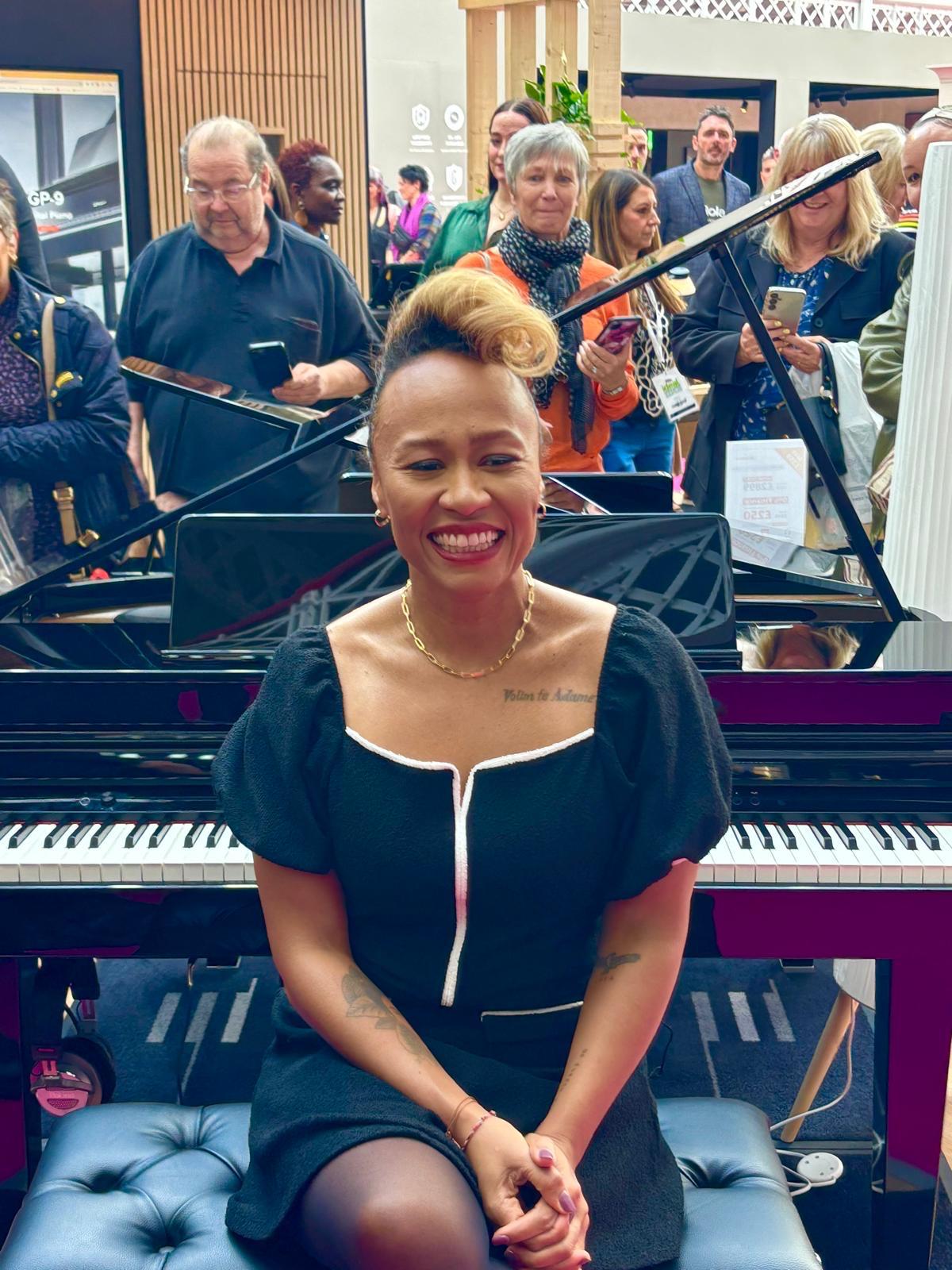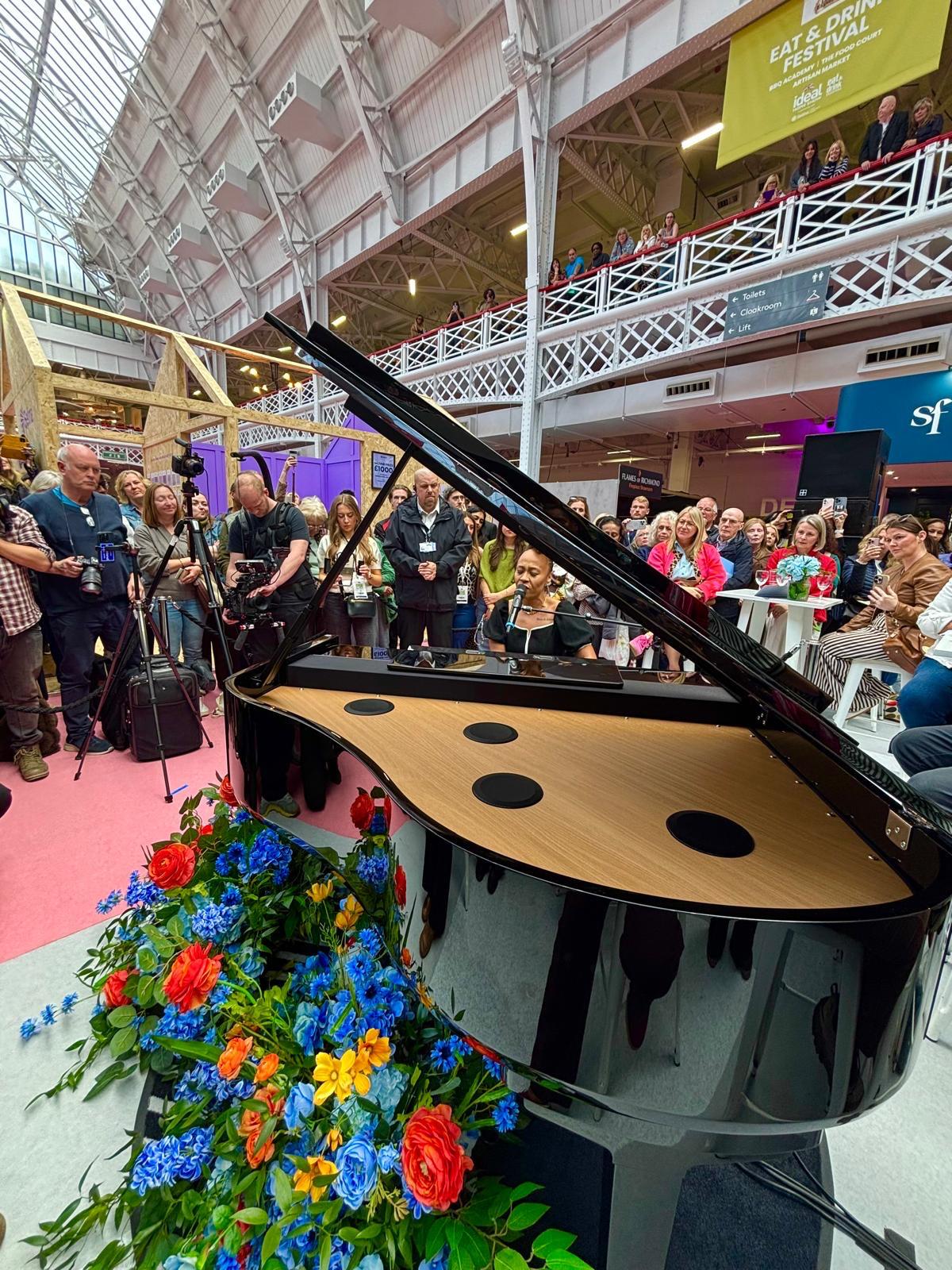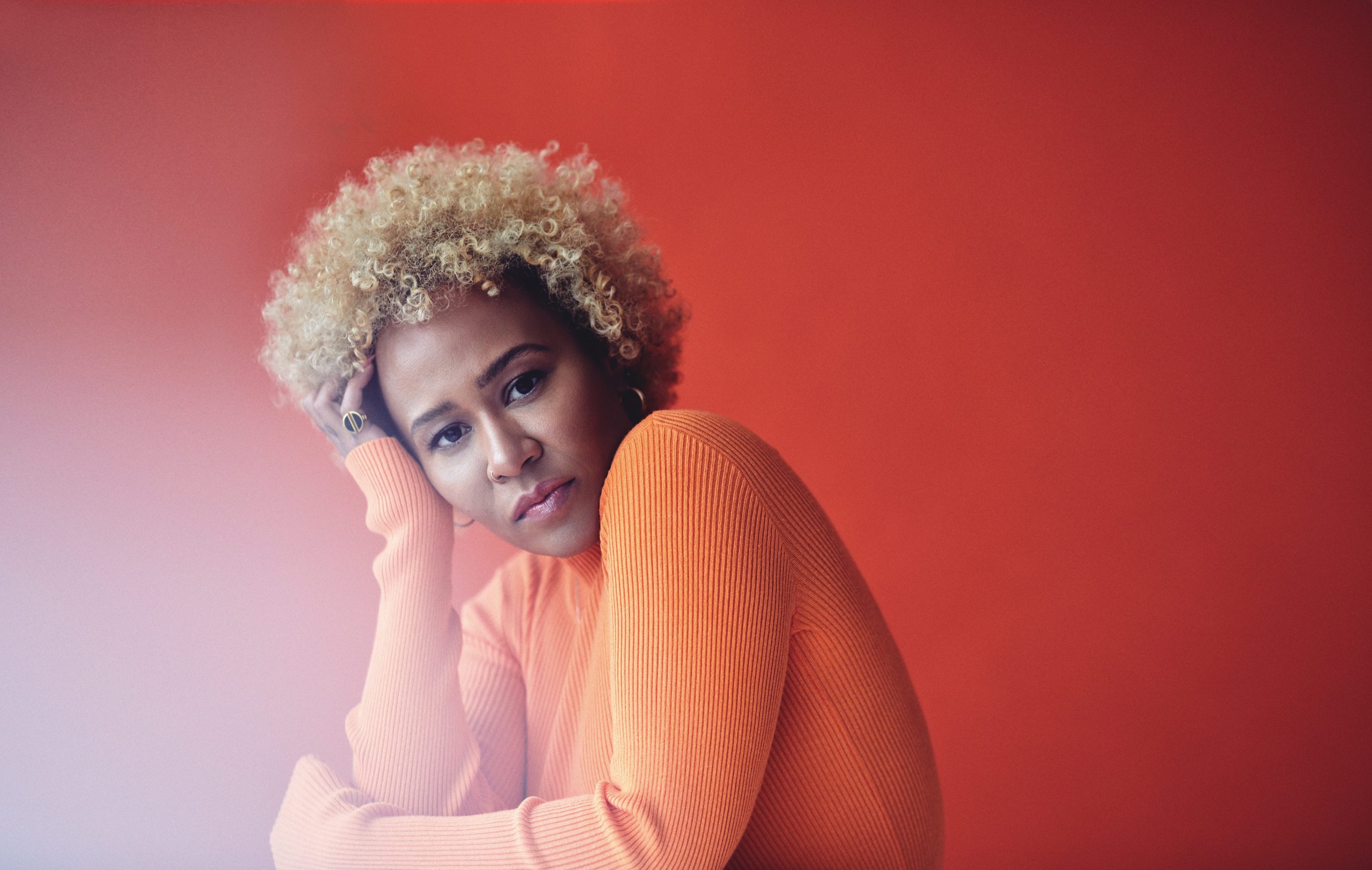
Emeli Sandé sings and writes about life’s biggest emotions: healing and love, highs and lows, good intentions and tough decisions. Over dramatic melodic backdrops, her virtuosic voice swoops and soars across songs that feel steeped in history yet as fresh as a Glasgow morning. Her 2012 breakout, Our Version Of Events, made Sandé a household name. Then and now, a willingness to wear her heart on her musical sleeve has endeared the artist to fans, who feel a personal connection to her material.
“It’s very deep things people want to speak about—how songs have made them feel,” she says. “I get a lot of letters about the music helping them through grief.”
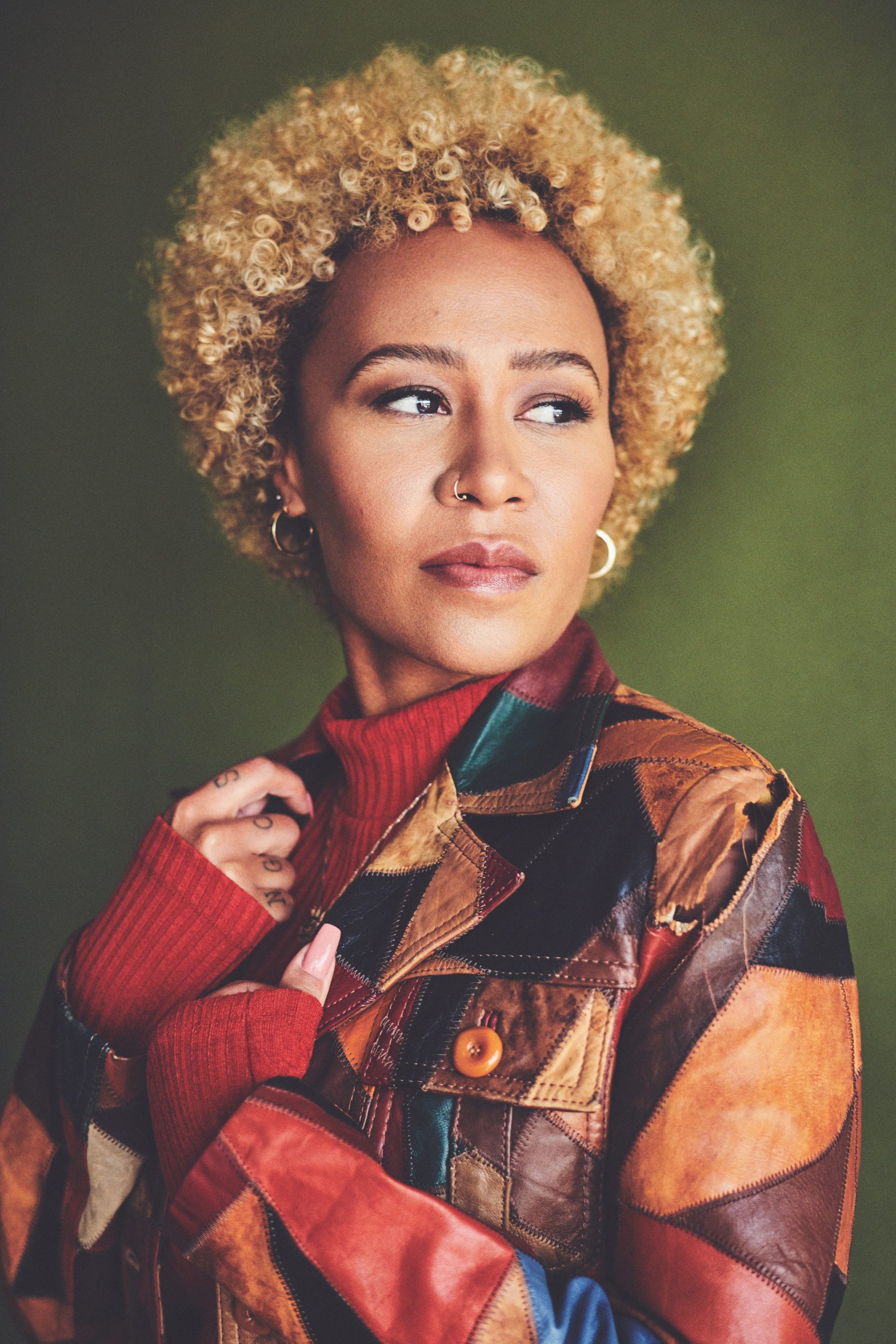
More Than a Singer
Before her arrival as a global superstar, Sandé spent her childhood years in Aberdeen, the daughter of a Zambian father and English mother. “I feel very lucky to have grown up in Scotland. People are warm, and they keep it real. There’s no risk of your ego getting too big.”
She developed a love for music early on. “Our primary school music teacher, Mrs. Simpson, was a major part of that time of my life,” Sandé says, speaking about one of her earliest influences. “She recognized the talent in me, and we’re friends now, which is really cool.”
But school was only one place the young Sandé heard music; there were plenty of listening sessions at home as well. “My dad was definitely the house and car DJ,” she recalls. “When I heard Nina Simone for the first time, I remember thinking that if I really want to write songs and be more than a singer, the piano is where I need to find my voice.”
The ’90s were a fertile time for innovative sounds, and the emerging acts informed Sandé’s evolving taste. A record store job in Aberdeen brought more esoteric fare like Radiohead, Regina Spektor, and Tori Amos into her consciousness. One artist in particular stunned the budding singer-songwriter with her blend of genres. “Alicia Keys came out, and I thought, ‘Wow, she’s mixing R&B with pop and classical.’ That kind of blew my mind.”
"When I heard Nina Simone for the first time, I remember thinking if I really want to write songs and be more than a singer, the piano is where I need to find my voice."
The Power of Pop
Still, a growing awareness of music’s far-reaching power was at the forefront of Sandé’s mind, perhaps foreshadowing her future success. “The whole concept of pop music really excited me,” she admits, “how they were connecting with the entire world.”
She threw herself into writing and performing in Scotland, but despite some promising early leads, industry success remained elusive. “I had all this excitement when I was 15, 16, and I was potentially going to get a deal, but it all fell through.”
Though her parents unflinchingly supported her art, she chose to pursue a degree in neuroscience. “My parents and my boyfriend at the time got together and bought me a Roland keyboard for Christmas,” she remembers. “They said, ‘The piano is to remind you that you’re a musician. We’re proud of you. It’d be great if you became a doctor, but we want you to pursue your dreams.’”
They kept their word, even sending their daughter’s CD to BBC Radio 1Xtra where Ras Kwame played a track on the Homegrown Sessions show. “It was just piano and vocal, before I went into the R&B-hip-hop world that opened doors,” Sandé says. “It’s weird that, full circle, some of my biggest songs are just piano and vocal. You have to go on that journey to find yourself.”
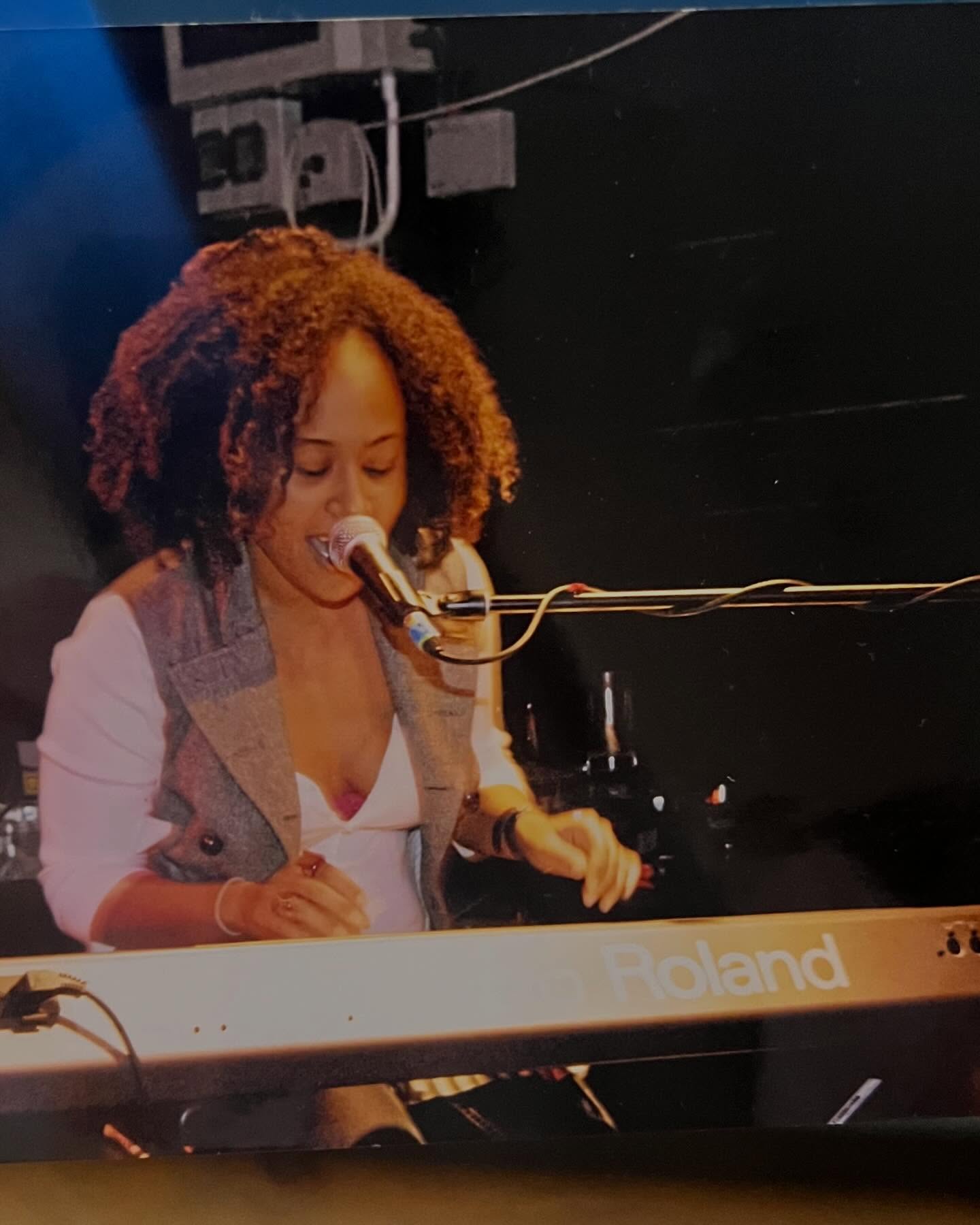
"My parents and my boyfriend at the time got together and bought me a Roland keyboard for Christmas. They said, 'The piano is to remind you that you're a musician.'"
Big Breaks
Eventually, her big break came via Sandé’s contribution to “Diamond Rings” by UK rapper Chipmunk. “I got that placement from a hook we sent over. I’d written it whilst hoovering up.” From there, things began to snowball quickly, and, as always, her family was right behind her. “My mum would ring up the radio and be like, ‘That’s my daughter on the record.’”
Sandé’s writing prowess even caught music mogul Simon Cowell’s attention, and soon she was crafting songs for Leona Lewis, Susan Boyle, and others. Still, once her solo career took off with 2012’s Our Version of Events, everything she’d been striving for fell into place. The album debuted at number one on the UK album charts and broke The Beatles’ record for a debut album with the most consecutive weeks in the Top 10. It even included a collaboration with her early heroine Alicia Keys: “Hope.”
Since that breakthrough, Sande has remained prolific, releasing Long Live the Angels, Real Life, Let’s Say for Instance, and How Were We to Know. Still, when pressed to choose three tracks that offer an entry point into her artistry, Sandé confirms her debut remains a seminal career moment. “They’re all from the first album, but it’s a good place to start,” she explains. “I’d say, ‘Heaven,’ ‘Clown,’ and ‘Next to Me.’ I think they cover most parts of my personality.”
"I just put my hands on the keys, and I let it float. Once you're in that flow state of mind, usually the melody comes quite quickly."
The Flow State
So, is her songwriting as effortless as Sandé makes it sound? “I just put my hands on the keys, and I let it float,” she reveals. “Once you’re in that flow state of mind, usually the melody comes quite quickly.”
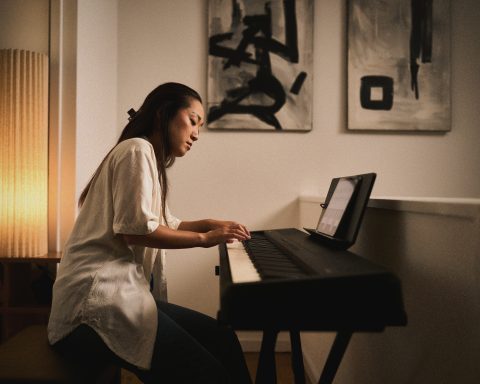
The Roland GP-9 Digital Piano helps connect her to the muse; Sandé believes it’s important not to stifle our creativity with self-criticism. “The older we get, the more judgmental we get of ourselves, of how we should play,” she says. “I think piano can be particularly intimidating because of the world it comes with, but just enjoy it. I once heard someone say, ‘You yourself are the instrument.’”
It’s easier said than done, but she’s up for the challenge piano still presents. “I want to be at a point when I’m not thinking about it,” Sandé says. “I have a long way to go till I reach that level, but I’m always inspired. I went to see Martha Argerich the other night, and she was incredible.”
Even with a waterfall of music in her growing discography, she views her upcoming release as an opportunity. “This is the first time where I’m just staring at a blank page, which is exciting, but also scary,” Sandé admits. “You’re looking back thinking, ‘How have I grown as an artist, as a woman since 2012?’”
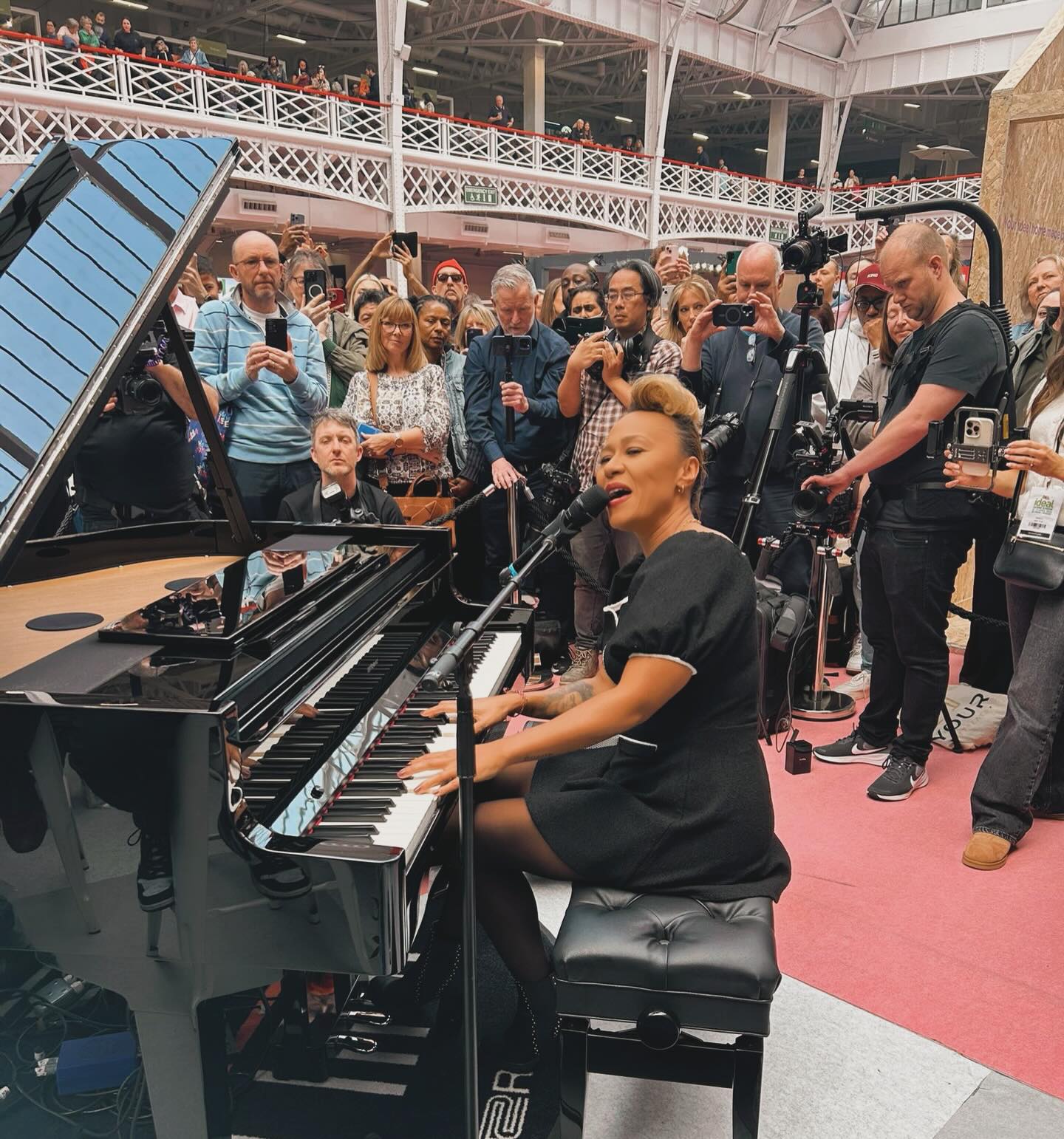
"This record is probably going to be something I've written at the piano. I want to challenge myself lyrically, melodically, and harmonically."

Full Circle
It’s a full-circle moment for Sandé’s relationship to her primary instrument. “This record is probably going to be written at the piano,” she confirms. “I’ve been listening to a lot of Billy Joel, Stevie Wonder, and Bruce Springsteen. I want to challenge myself lyrically, melodically, and harmonically. I’m excited to see what people think.”
For Sandé, the intimate way her songs connect to listeners, despite distance and background, remains her primary driver. “To think that somebody sat in one of the most difficult parts of their life, and I’ve been able to be of some strength and support through the music—that keeps me going for sure,” she says. “What greater job is there than that?”