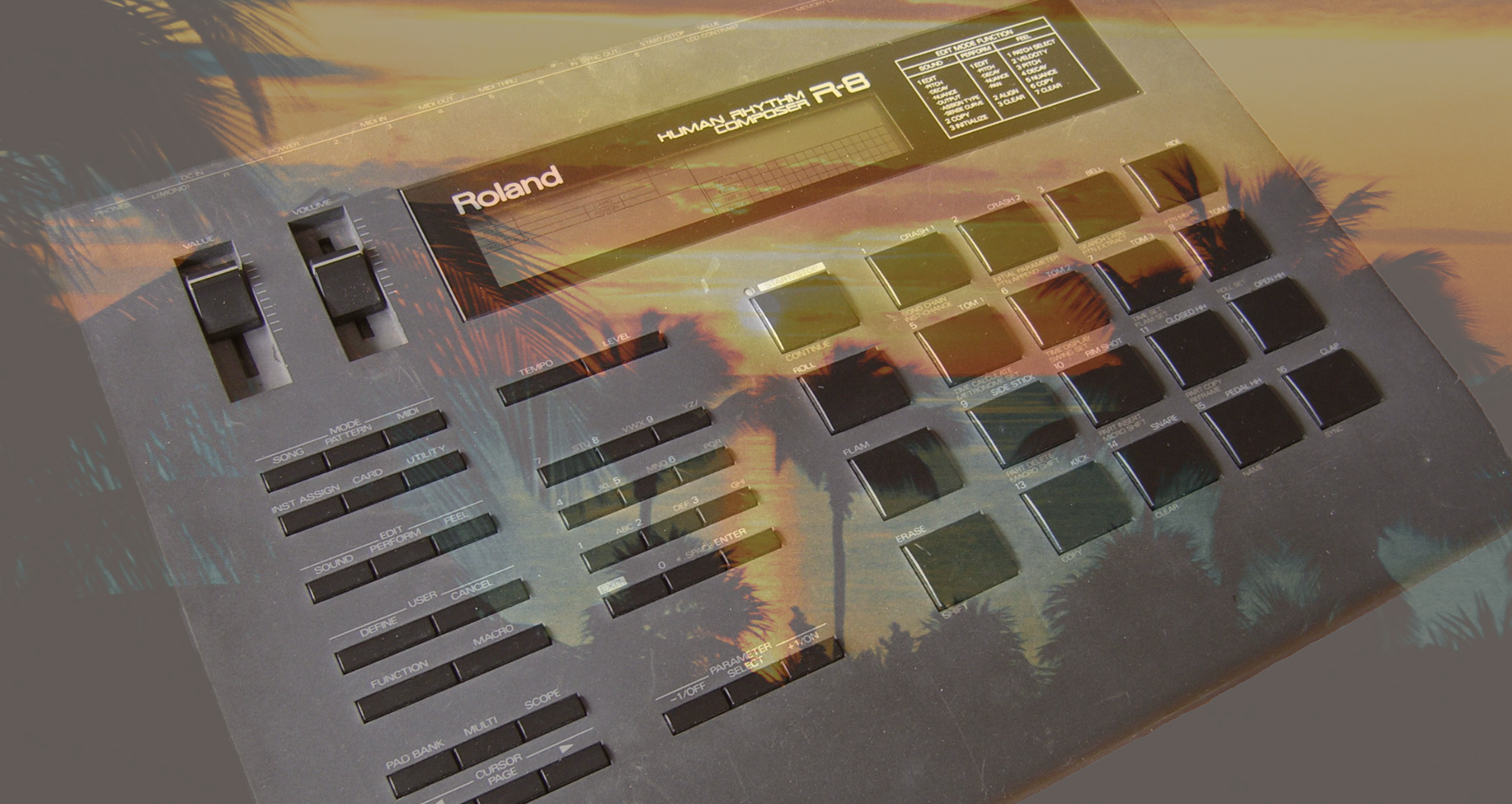


The word “human” in the name of a drum machine? Odd, but that’s where it all begins. It’s inspiring to know the meaning behind the label on a machine, but it also sparks a deeper connection. In workshops, when I explain that the “T” stands for transistor, the “R” for rhythm, and “808” marks the launch date of the legendary TR-808, the audience’s expressions instantly shift. The conversation moves to another level. That is the power of the R-8 Human Rhythm Composer.
Land of Tradition
Mexico is a land of traditions, and despite living in an era of rapid social and technological change, what we call “oral tradition” remains strong. People still prefer face-to-face interaction when choosing instruments and gear. They value a hands-on experience far more than technical specs or marketing campaigns. Even with globalization and online shopping, many musicians here would rather pay more for physical interaction with a product than buy it cheaper online. This insight comes from countless conversations with local sellers and store owners.
"Mexico is a land of traditions, and despite living in an era of rapid social and technological change, what we call 'oral tradition' remains strong."
People Love the R-8
Even with global opinions flooding the market, musicians want to hear and feel the instrument. They appreciate knowing their favorite artist or friend uses the same machine. Borrowing, trading, and reselling gear is common, making trends in Mexico surprisingly timeless.
The R-8 didn’t just change music production, it reshaped cultural identity. Decades later, second-hand units remain highly sought after, and their presence in studios and live performances is undeniable. Its influence goes beyond sound; it touches the psyche of musicians and listeners alike.
A Sound with Personality
In the ’90s, the R-8 powered countless dance hits rooted in cumbia, salsa, bolero, son montuno, merengue, and Afro-Latin rhythms blended with disco, pop, and new wave. Its dry attack, organic timbre, and natural feel made it perfect for congas, bongos, maracas, and kicks. Hit a pad, and dancers move for hours. This machine became a cultural reference point—not because of fame or industry recognition, but because its sound tapped into something deeper: echoes of pre-Columbian rituals and African heritage preserved through rhythm.
In Mexico, success isn’t measured by awards or media buzz. It’s about what becomes ingrained in the collective memory—songs that live on at weddings, town squares, and family gatherings. Many of these tracks were created with the R-8, often by anonymous musicians whose work transcended fame. That’s the magic of this machine: it became part of the soundtrack of everyday life.
"In Mexico, success isn’t measured by awards or media buzz. It’s about what becomes ingrained in the collective memory—songs that live on at weddings, town squares, and family gatherings."
Straightforward Complexity
The R-8’s built-in instruments deliver warm, professional tones with the crisp attack tropical music demands. It doesn’t mimic acoustic percussion—it offers a complex, digital character that feels familiar and inviting. Perfect for cumbia, merengue, and beyond. Its ability to balance simplicity with depth made it a favorite among producers who wanted quick results without sacrificing quality.
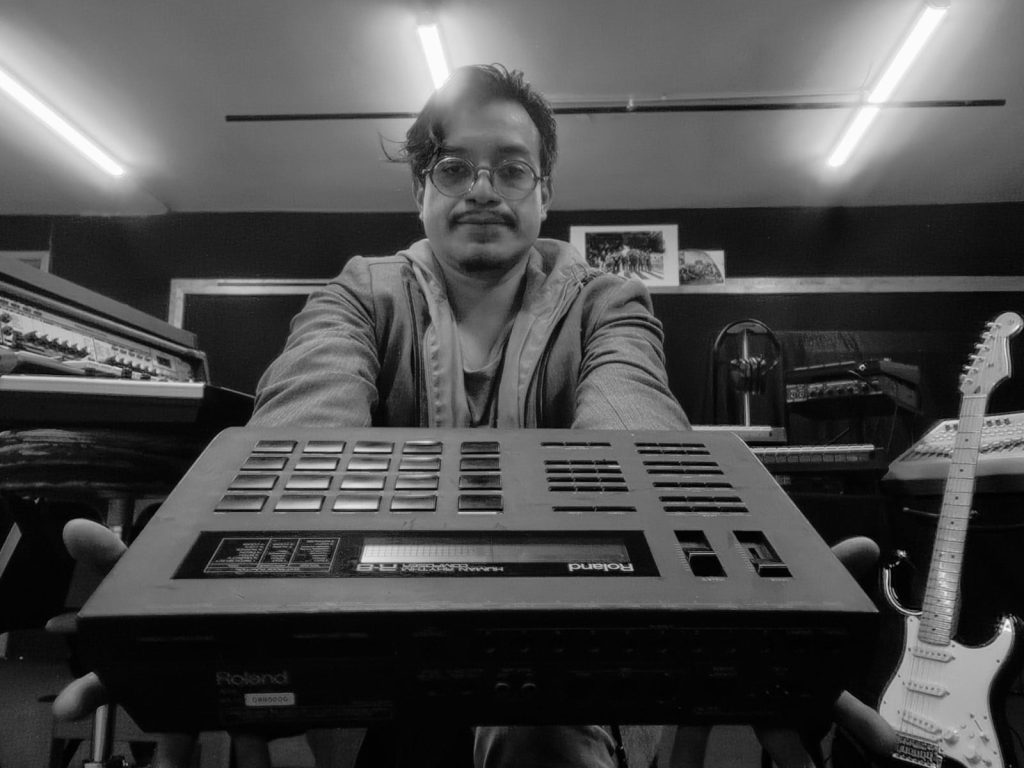
From the late ’80s onward, the “one-man band” format exploded in Mexico: a keyboardist surrounded by gear, singing and acting as MC at social dances. With the R-8, they could organize an entire party on the fly. No DJ required. Many bands even used two units: one for percussion, one for keyboards. Programming a full concert set? Musicians say it takes less than an hour. That efficiency, combined with real-time control, made the R-8 indispensable to live performers.
Regional Flavor and Live Control
The R-8 remains a gateway for Latin music creators, offering expansion options that cater to regional styles. For many, it was their first encounter with a truly versatile machine—one that could handle melodic and rhythmic duties with equal ease. These cartridges extended its life and relevance, keeping it fresh for evolving genres.
Dedicated buttons for real-time control, without the need for complex combinations, made the R-8 a dream for performers. Advanced engineering gave musicians intuitive tools for rhythmic and structural creativity, a concept Latin American artists embraced immediately and still value today.
"Its legacy isn’t just technical; it’s emotional, historical, and deeply human."
A Cultural Icon
The R-8 evolved from a simple drum machine into a cultural icon—a programmable powerhouse woven into the fabric of Latin music. Its legacy isn’t just technical; it’s emotional, historical, and deeply human. From the plazas of Mexico City to the smallest seafood restaurants hosting weekend “bailes,” the R-8 remains a silent architect of joy, rhythm, and tradition.