The use of electronic instruments in film score creation adds another dimension, with sounds that encapsulate visual aesthetics in a way different from traditional motion picture scores. As synthesizers became commercially available in the mid-1960s, they presented composers with a sound creation platform that didn’t require a symphony orchestra. However, electronic instruments can also be used alongside traditional elements to enhance them in a way that imprints a futuristic character. Here’s a guide to electronic film scores that pushed the envelope within the art form.
Playlist
A Clockwork Orange by Wendy Carlos (1971)
With the help of producer Rachel Elkind, Wendy Carlos broke major ground in electronic music in the late 1960s, exposing audiences to the sounds of the synthesizer for the first time. For her collaboration with Stanley Kubrick, Carlos used some of her own compositions, as well as her synthesizer versions of notable works by Beethoven, Purcell, Rossini, and Elgar.
Among these was a piece based on the choral movement from Beethoven’s 9th Symphony called the “March from ‘A Clockwork Orange,’” which featured early use of the vocoder. Aside from the film’s outlandish aesthetics, this work influenced many of the electronic musicians who came after.
Sorcerer by Tangerine Dream (1977)
While the William Friedkin film Sorcerer from 1977 may not be on your radar, it represented a big break for the German electronic outfit, Tangerine Dream. Recorded at Victoria Studios in Berlin, the soundtrack was the band’s first Hollywood motion picture score and reached No. 25 on the UK album charts, a significant feat for electronic music at the time.
In its creation process, the trio of Froese, Franke, and Baumann utilized an impressive array of Moog, ARP, Oberheim, PPG, and Elka instruments, as well as a Mellotron and a Rhodes. The lush, animated soundscapes they imagined for Sorcerer paved the way for many of Tangerine Dream’s subsequent soundtracks, including Risky Business (1983), Firestarter (1984), and Flashpoint (1984).
The Fog by John Carpenter (1980)
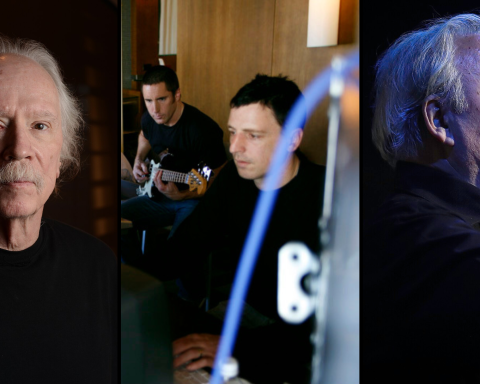
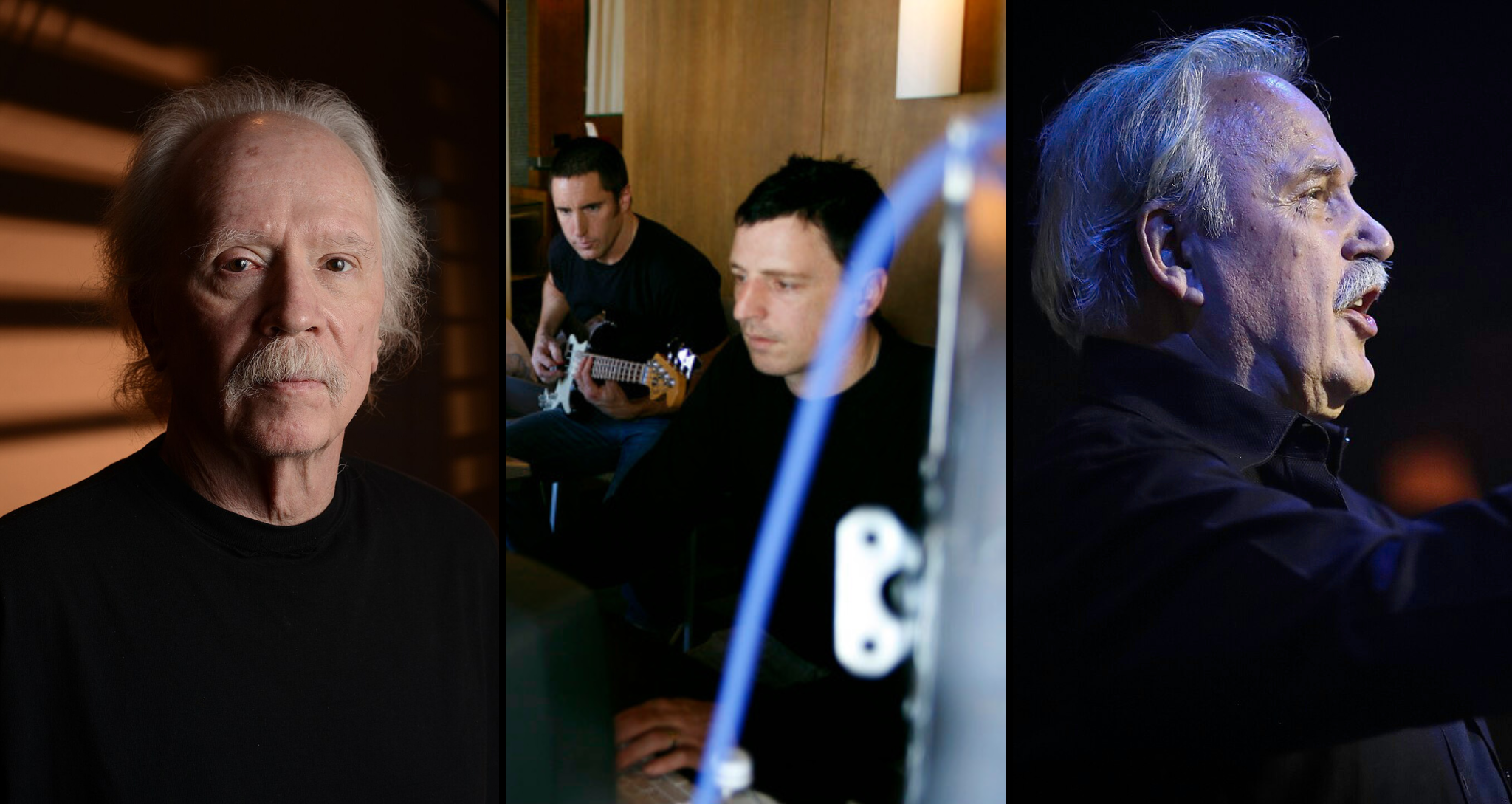
Filmmaker and composer John Carpenter is a true pioneer of independent cinema, redefining what is possible with a small budget and a team of creatives. While Carpenter has created some truly memorable soundtracks, including Halloween (1978) and Escape from New York (1981), his score for The Fog is a truly influential example of his work in the horror genre, with a creepy atmosphere.
Inspired by real-life stories of sunken ships and the EC Comics series, Tales from the Crypt, Carpenter co-wrote the film with producer Debra Hill. The score features some excellent synth programming by Dan Wyman, and Carpenter regards it as one of the best scores he’s done in his career.
Blade Runner by Vangelis (1982)
When speaking to almost any synthesizer owner, it’s only a matter of time before they mention Ridley Scott’s Blade Runner and its iconic Vangelis score. The cult status of this soundtrack is due to the way the sound design and composition perfectly capture the dystopian, futurist feel of the film.
Recorded at Nemo Studios in London, the score prominently featured the CS-80, GS1, JUPITER-4, PROMARS, and Prophet-10 synthesizers, as well as the Emulator sampler keyboard, VP-330 vocoder, and the CR-5000 drum machine.
Scarface by Giorgio Moroder (1983)
Brian De Palma’s legendary Scarface features the electronic sounds of Giorgio Moroder, the pioneering Italian producer widely known for his work with Donna Summer. Besides emotive character themes, Moroder also produced songs with Debbie Harry, Paul Engemann, Elizabeth Daily, and Amy Holland that captured the film’s 1980s Miami nightlife aesthetic.
Among the instruments used in the soundtrack’s creation process were the Roland JUPITER-8 and the CS-80 synthesizers, which lent a sense of tension to the film’s action sequences, tense moments, and nightclub scenes. This bathed Scarface in a distinctive neon glow, making it a film that audiences keep returning to again and again.
The Terminator by Brad Fiedel (1984)
The electronic score for James Cameron’s sci-fi action classic, The Terminator, was groundbreaking in numerous ways. For one thing, composer Brad Fiedel (previously a keyboard player with Hall & Oates) had never scored for a major motion picture before.
To make things even more interesting, it was probably one of the first times that a blockbuster Hollywood film score was created predominantly in a garage. Using a pre-MIDI setup, Fiedel manually synced up the sequencers in his Oberheim and Prophet-10 synth rigs, which created most of the sounds on this notable score.
Pi [π] by Clint Mansell (1998)
In 1998, a lasting creative partnership was formed between the ambitious young director, Darren Aronofsky and the alternative musician and fledgling film composer Clint Mansell. Aronofsky’s debut feature film Pi (π), is an intense psychological thriller shot on black-and-white film that put both director and composer on the map.
The score is one of the standout features of this cult classic, featuring works from Mansell alongside a carefully curated electronic music selection from artists such as Aphex Twin, Autechre, Orbital, Massive Attack, Roni Size, GusGus, and many others. This provides the perfect sonic tapestry for the heightened state of awareness you reach while watching the film.
Fight Club by The Dust Brothers (1999)
Always looking to break the mould, when David Fincher considered the musical scope for his film adaptation of the Chuck Palahniuk novel, he initially imagined alternative rock music. However, he felt that many of the bands that were creating film scores at the time might overlook the thematic complexity of the film.
Believe it or not, he sought out Radiohead for the project, who had no film score experience. The band declined, as Thom Yorke was cooling down after a busy tour schedule. Instead, Fincher enlisted the Dust Brothers, the duo who famously produced Paul’s Boutique by The Beastie Boys, and they created a gritty, beat-driven score that suited Fight Club perfectly.
The Social Network by Trent Reznor & Atticus Ross (2010)
Although Trent Reznor had worked on soundtracks before, including id Software’s video game Quake (1996) and David Lynch’s Lost Highway (1997), The Social Network was the first feature film he scored in its entirety, working alongside longtime creative partner Atticus Ross. Director David Fincher was a fan of NIN and had a new direction in mind when he approached Reznor to create the score.
Despite initially turning the project down due to scheduling, Reznor reconsidered and returned to Fincher, who had never envisioned working with another composer. His instincts paid off, as the soundtrack won multiple awards, including an Academy Award and a Golden Globe. The project also put Reznor and Ross on a new trajectory, making them a powerhouse in film music production.
Tron Legacy by Daft Punk (2010)
When director Joseph Kosinski approached Daft Punk about creating the score for Disney’s Tron: Legacy, he had no idea of the magnitude the project would grow into. Rather than taking the simplistic approach one might expect from the sound of their records, Daft Punk created an incredibly sophisticated score that utilizes an 85-piece orchestra.
For nearly two years, Bangalter and de Homem-Christo collaborated with arranger and orchestrator Joseph Trapanese to create this epic score, drawing inspiration from Wendy Carlos, who composed the original film’s score, as well as composers such as Philip Glass, Vangelis, and John Carpenter.