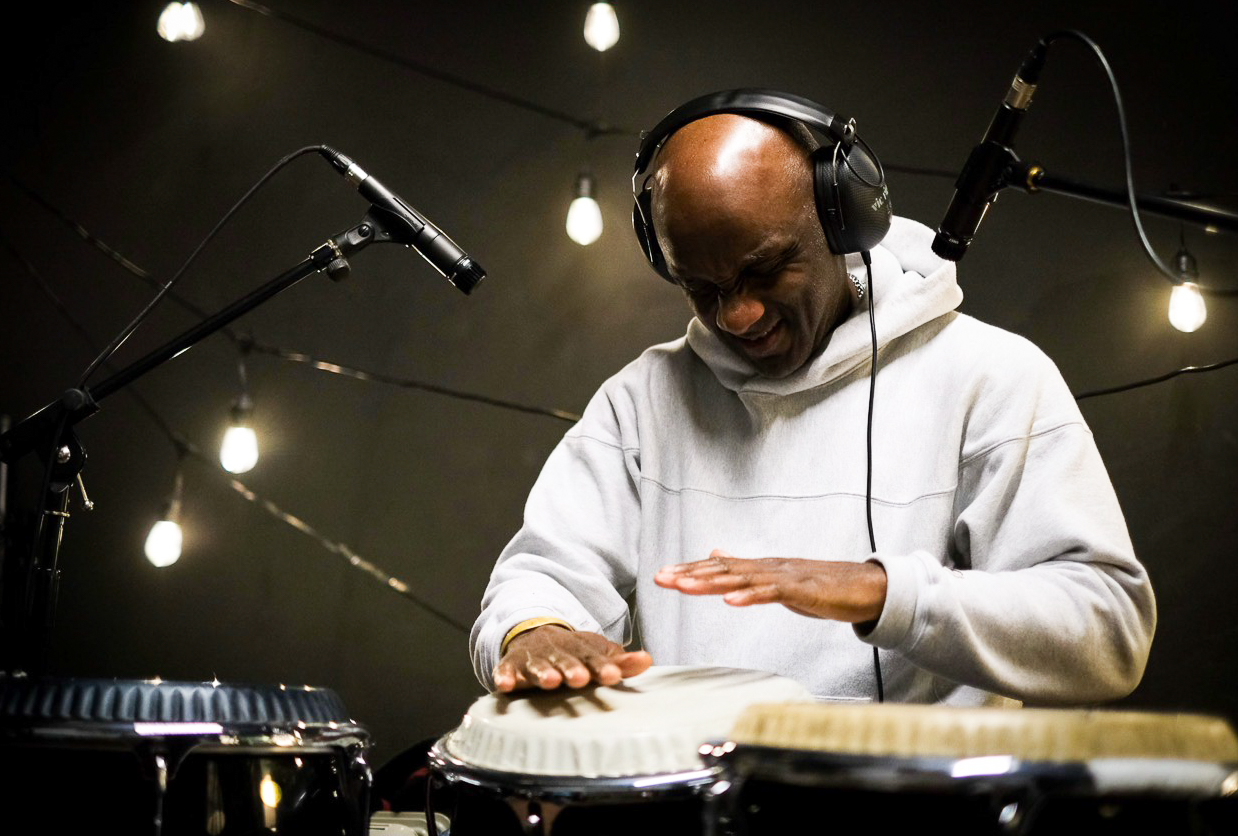


Karl Vanden Bossche has spent the best part of four decades moving through the upper tiers of session work. Growing up in London, he was surrounded by music—reggae and soul from his older brothers, African rhythms through his Ghanaian parents, and later jazz and funk with friends. It was “groove music” that shaped his musical sensibilities, long before he ever stepped into a studio or onto a stage. There was no YouTube shortcut back then. No social media algorithm to lean on. If you wanted to learn, you went out. Gigs became classrooms. Face-to-face conversations mattered. Curiosity was currency, and Vanden Bossche’s get-up-and-go propelled him through the capital’s lively music scene—from “the London school of bedroom” to his first break with King Salsa.
The Art of Adaptation
When Karl Vanden Bossche teamed up with King Salsa in the late 1980s, he was already building a strong reputation as a percussionist. As word of his superlative talent spread, the phone kept ringing, and his list of session credits grew steadily longer.
Meanwhile, as technology and session demands evolved, Vanden Bossche expanded his skill set with drums and electronic equipment. “I realized I needed to add another string to my bow,” he reflects. “When the Gorillaz gig came in, I thought, ‘I could do that,’ because I’d learned to adapt.”
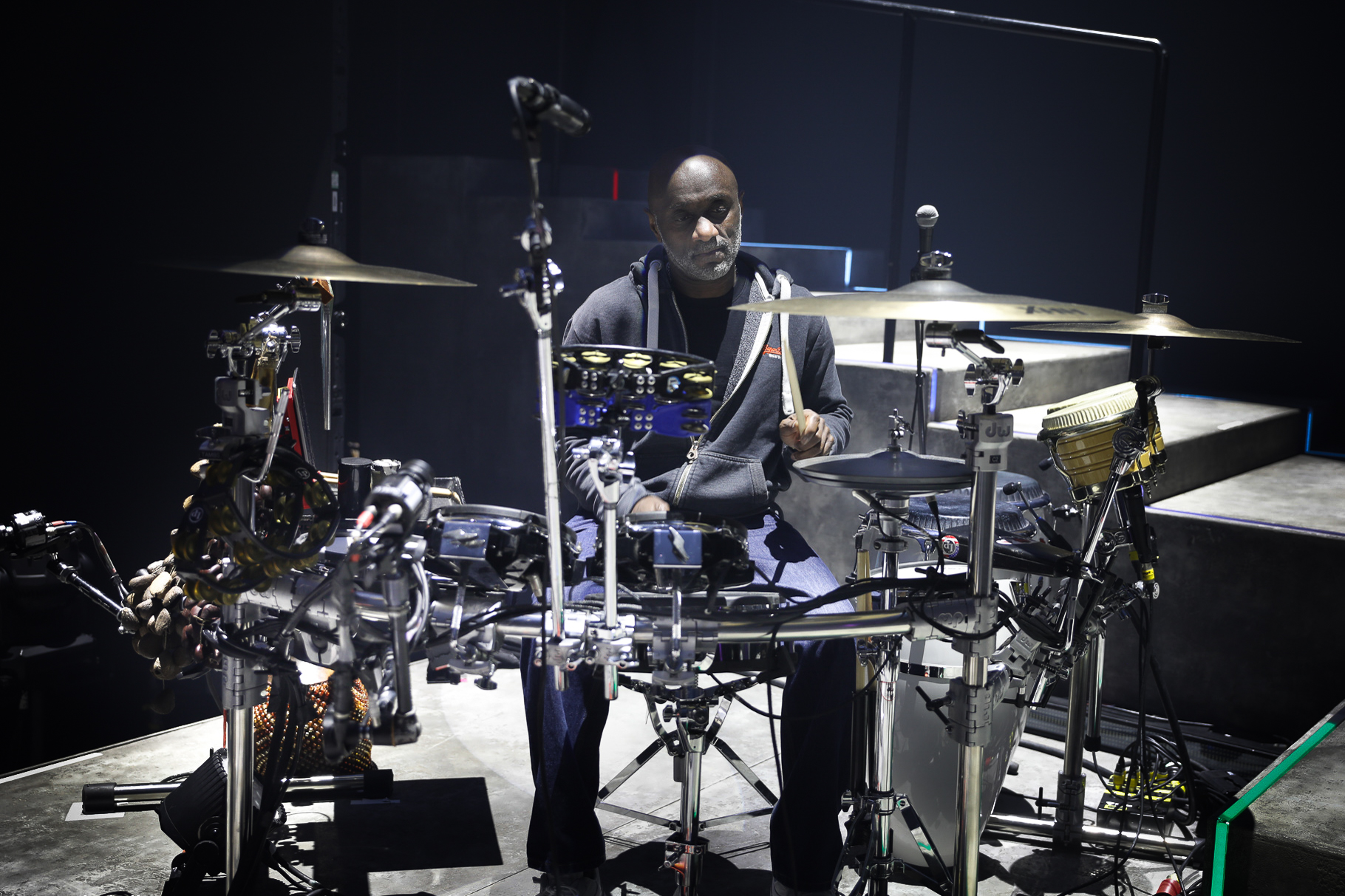
This astute shift in direction ultimately set Vanden Bossche on a path to success with Gorillaz, via sessions with Blur. His hybrid live-electronic approach is now a foundation of the Grammy-winning, multi-platinum-selling act’s live sound—underpinned by a world-class touring rig curated from DW, Roland, and Latin Percussion gear.
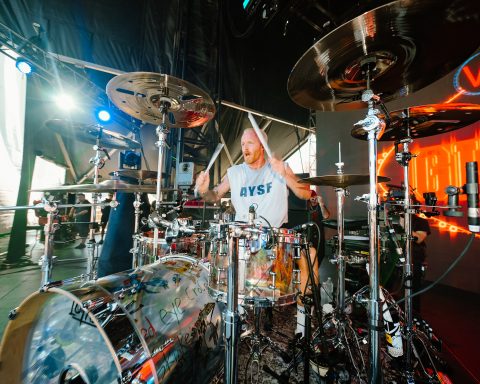
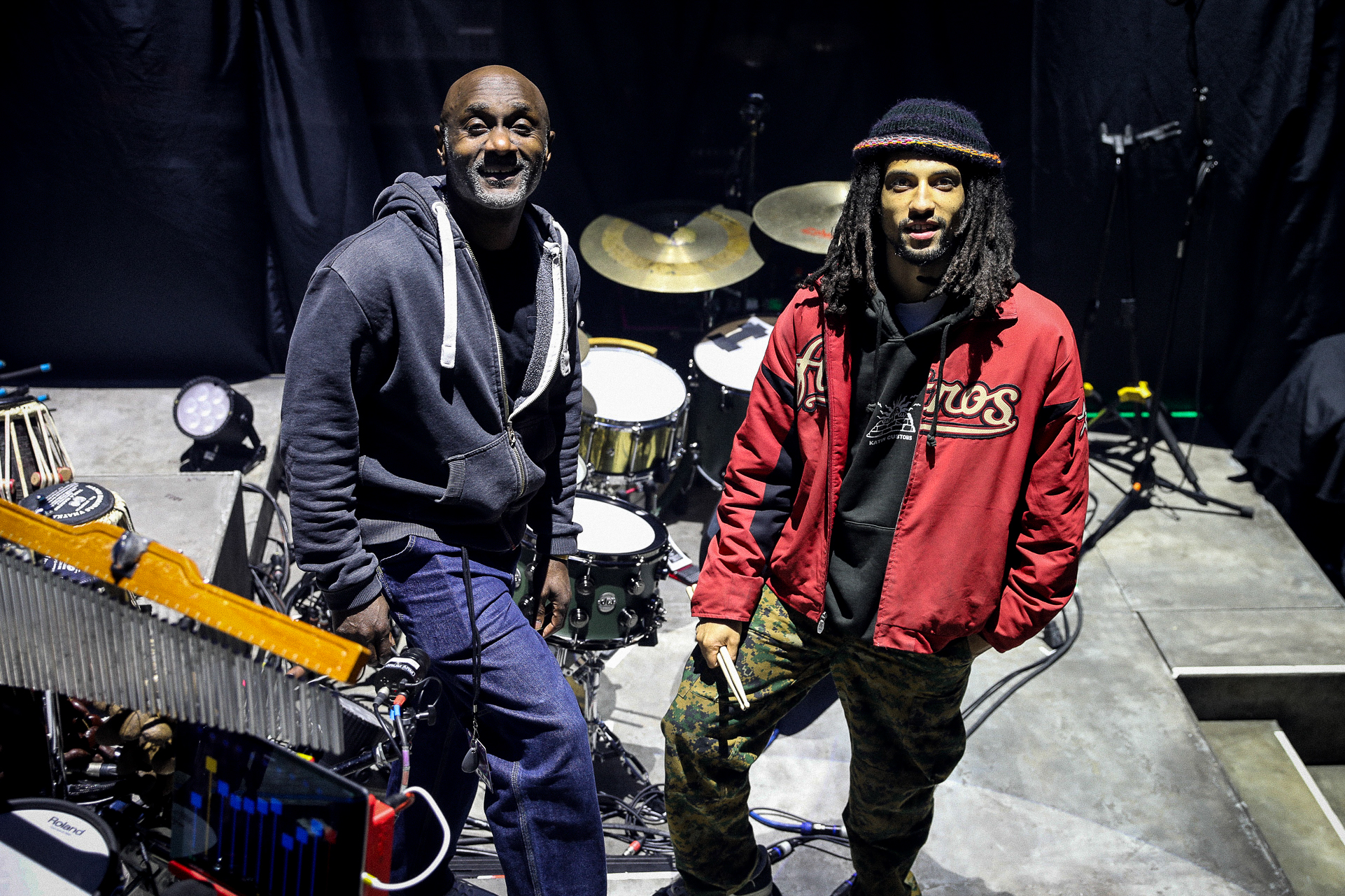
We caught up with the percussionist extraordinaire between Gorillaz gigs to talk about his new DW, Roland, and LP setup built by his tech, Tom “Woody” Wood. “When I sat behind everything for the first time, I was blown away,” he tells us.
In this revealing article, Vanden Bossche also shares behind-the-scenes Gorillaz insights, crucial advice for aspiring session musicians, and why you need to “be a chameleon” to stay in demand.
Rhythm Evolution
You’ve been working as a professional percussionist since the 1980s—how has music technology evolved over the years?
I turned professional in 1988, and I’ve seen the technology evolve a huge amount since then. The first thing I had was a Roland Octapad—that’s where it all started for me. Before that, I didn’t really know what I was getting into, but I thought, “I need to explore this.” Throughout the ’80s and ’90s, new electronic gear like samplers and pads was appearing all the time. It was exciting to have that kind of choice opening up.
I worked with an artist called Basia in 1990—she’d previously been in Matt Bianco. From there, in ’93, I started working with Sade. Back then, I wasn’t using much electronic gear; everything was still very much traditional percussion mounted around the kit. But so much changed from the ’80s into the 2000s, and we knew we had to jump on it.
By the time we did another tour in 2001, the pads had really evolved. The shift was incredible.
"What Gorillaz gives the audience, they give back—and it all starts with a solid foundation. For us, that means using great gear."
From Blur to Gorillaz
You use two Roland V-Drums TD-50 Drum Sound Modules with Gorillaz—what led you to that approach?
They’ve been incredible. I actually got into the Roland TD-50 through the Roland SPD series, which I used while working with Blur. That’s when Damon Albarn asked me, “Fancy doing Gorillaz?” and, obviously, I said, “Yes, please!” They explained we’d be triggering a lot of stuff because the Gorillaz records are a real blend of live and electronic sounds.
My job is to emulate certain parts from the albums, so there was plenty to learn. I play kit as well, but using pads is a different world. It completely changed the way I approach drumming. Sometimes you’ve just got to jump in at the deep end and start swimming.
But it’s been brilliant. I’ve had no problems at all, and I’ve been very lucky with techs. My drum tech, Woody (Tom Wood), and the Gorillaz tech Andy Hamwee are both amazing to work with.
Hybrid Technique
How are you finding the Roland VH-10 V-Hi-Hat, and how does it compare to an acoustic hi-hat in terms of feel and technique?
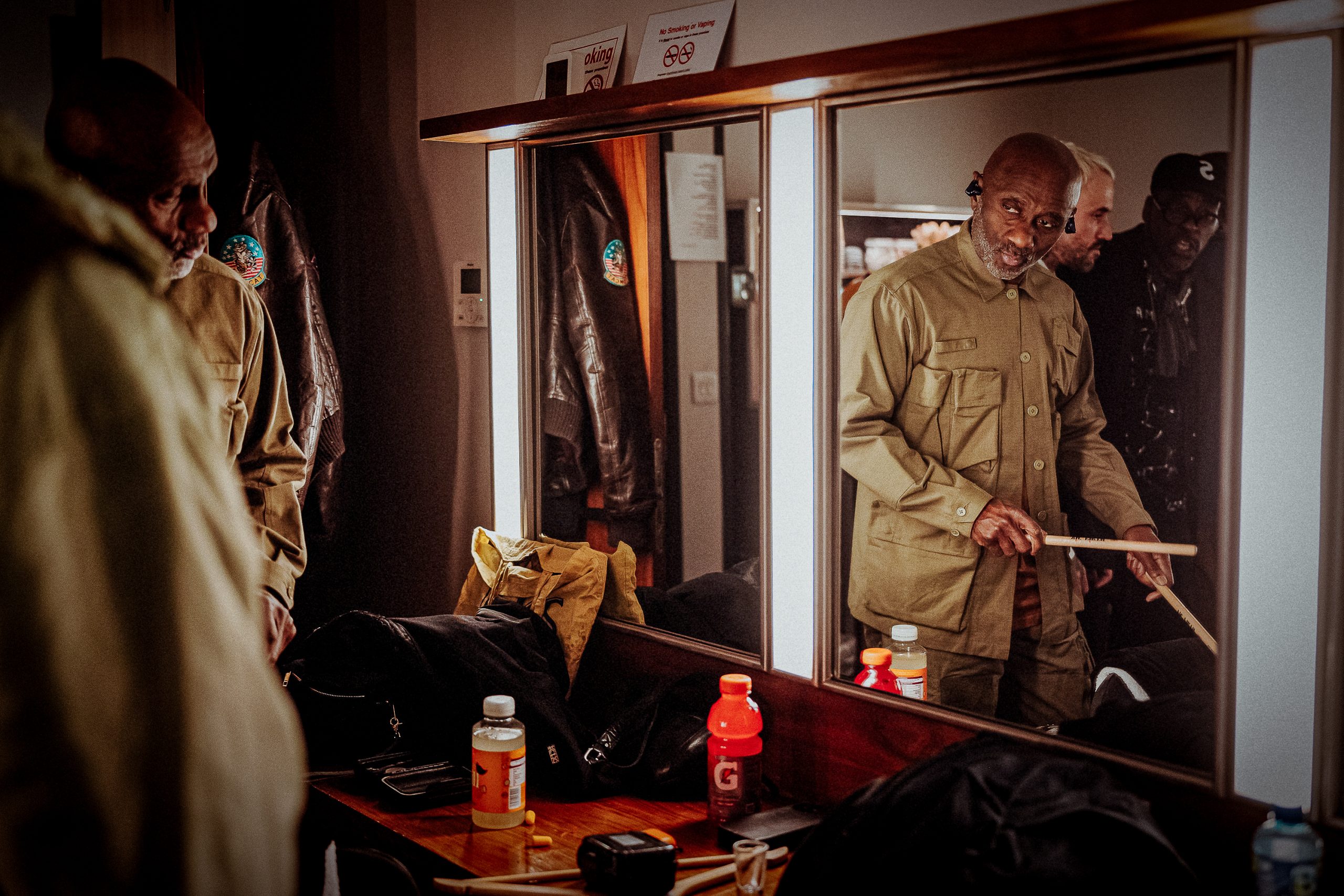
Acoustic hi-hats respond instantly with subtle dynamics, so there’s a tendency to think that playing the Roland VH-10 will be the same. But it’s not the same. I always have to adjust to playing an electronic kit. You have to approach it differently.
Firstly, you need to sort out the sensitivity and consider positioning, technique, and the sound you’re using. Over the years, I’ve learned how to play an electronic kit. There’s a major difference between the two. For example, I don’t play grace notes. I mean, if I’m triggering a clap on my snare, I can’t do a grace note, right?
If I’m doing slow sixteenths on a live hi-hat, there’s usually more groove and variation between them. However, on an electronic kit, using the Roland VH-10, they’re the same volume—that’s generally what the hi-hat is doing on Gorillaz albums. There’s nothing wrong with that; it’s just a different approach, a different technique.
"V-Drums gives me room to be more inventive and opens up opportunities for live improvisation, which everyone loves."
What role have your Roland PD-85, PD-14DSX, and PDX-100 V-Pads played in shaping your approach to Gorillaz?
I started using Roland V-Drums and Roland V-Pads a lot from 2018 with Gorillaz. I really had a breakthrough with them and spent time honing my technique. There’s a particular feel to them that you learn to work with.
One of the great advantages V-Drums offers is the ability to chop up and play samples rather than rely on longer playback sections. That’s part of the joy of it—you know, “I can play that, just send me the sounds.”
It often feels more natural and less rigid. V-Drums gives me room to be more inventive and opens up opportunities for live improvisation, which everyone loves.
DW Devotion
What was it like moving to the new DW Drums rack for the Gorillaz tour?
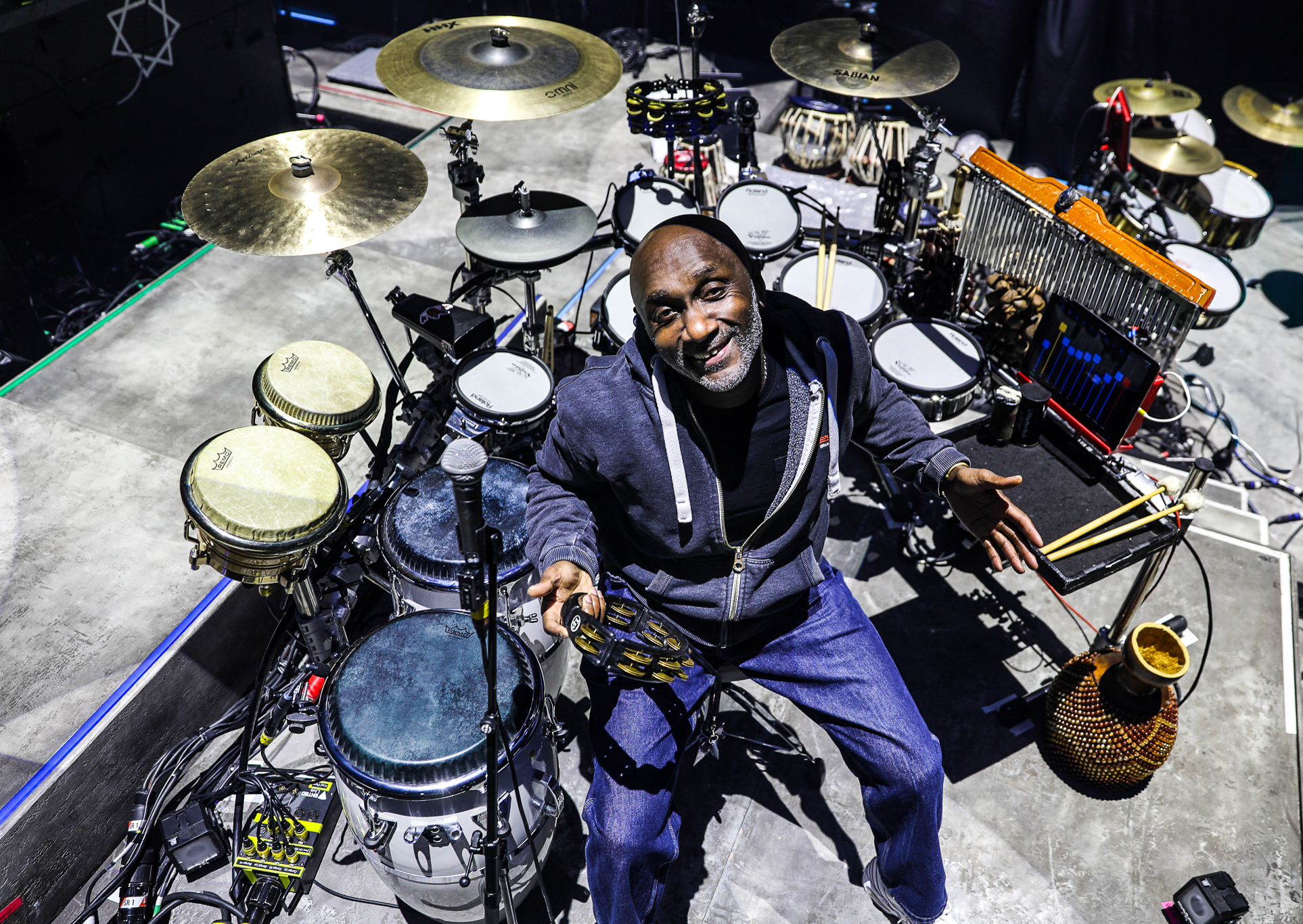
We had a Gibraltar drum frame, but decided we needed something new. Woody knows my setup inside out, and he put it all together. I’ve been playing drums for many years and tried a lot of different gear, but DW hardware is just amazing. I use DW for a reason—in fact, for many reasons. It’s easy to use, hard-wearing, and it looks great.
I love DW gear. I’ve bought so many DW snares over the years, and they’re incredible. As is the 5000– and 9000-series gear. My DW rack feels really solid. When we changed over, I could see Woody getting really excited about it. When I sat behind everything for the first time, I was blown away.
"I’ve been with LP for 36 years, and they’re the best, hands down."
Percussion Discussion
How long have you been using Latin Percussion gear?
I’ve been with LP for 36 years, and they’re the best, hands down. A vast majority of my percussion gear is LP.
Why do you like to use LP Congas and Bongos?
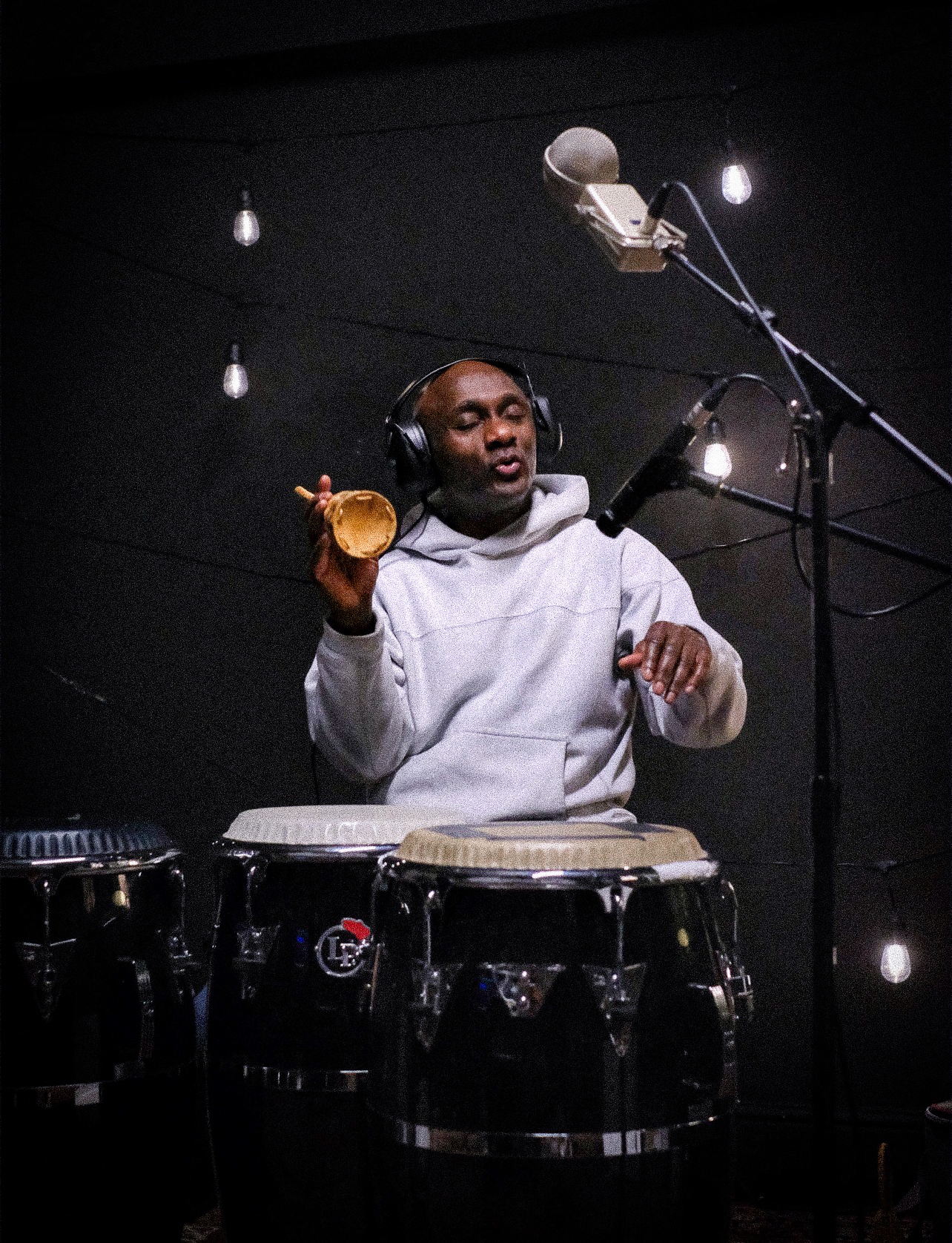
My LP Patato Congas are named after Carlos “Patato” Valdés. He was the first player to really use three congas melodically. They’re a key part of my setup and sound incredible. I use Fiberskyn heads on tour because they’re less prone to detuning than natural skins, which I do love, but they can be less stable on the road.
The LP Patato Congas are made from fiberglass, so they project more than wooden congas. Both sound amazing. Wood has a slightly warmer tone, but fiberglass gives me more projection and consistency when touring.
My LP Generation II Bongos are also fantastic. I’ve got a few pairs in different colors and with different heads—they’re just really on point. Again, I tend to use plastic heads for tuning stability, but the shells are wood, so you still get that natural tone underneath.
Tell us about your LP Mambo Cowbell.
I use the LP Mambo Cowbell because it has a great tone. And it’s loud! You’ve got to play it a bit delicately, and I’ve got it set back from the mic enough so I can lay into it if I want to.
The LP Mambo Cowbell is on the longer side, and I can get different sounds by hitting different areas—like playing the middle and end of it sounds different. It’s like playing a snare drum: sometimes you might play the center, and other times you might use the rim.
Some people think you just hit percussion instruments, and that’s it, but there are precise techniques for all of them. Percussionists use different techniques for playing timbales, bongos, congas, shakers, triangle, you name it. There’s a science behind it.
"My DW, Roland, and LP gear push me to the peak of my performance."
Peak Performance
When you look at photos of your new DW, Roland, and Latin Percussion setup, how does it make you feel?
It takes me right back to when I first started playing and going to see live bands. Your first impression is always the stage—what you see—and that usually means the gear. When I see my setup, dialed in by one of our amazing techs, there’s a real sense of relief. I’m like a kid in a toy shop. Whether you’re 10 or 80, there’s something special about seeing great gear set up properly.
Does your DW, Roland, and Latin Percussion gear inspire confidence when performing?
Totally. My DW, Roland, and LP gear push me to the peak of my performance. I know it sounds great, looks great, and everything’s exactly where it should be—and, importantly, it’s all going to stay in place. When I step up to play, there’s no doubt in my mind. I’m not worrying about anything going wrong, because the gear is second to none.
It all adds up to carry me through the gig—getting from start to finish and making sure everyone’s happy, myself included. My setup gives me the foundation I need to express myself fully. Without that solid base, things can start to wobble.
How does your DW, Roland, and Latin Percussion gear shape the energy you give to the audience and the way they respond to the show?
What Gorillaz gives the audience, they give back—and it all starts with a solid foundation. For us, that means using great gear, set up properly by our incredible techs. From there, it’s our job as musicians to use that gear to project our energy and sound out into the crowd.
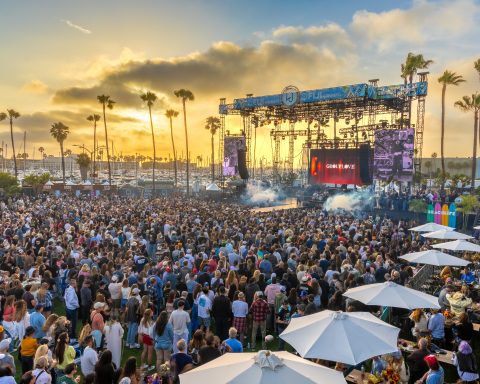
As the venue fills up, people take in what’s on stage. You’ll always get musicians in the audience clocking it—“Look at that Roland kit. Look at that DW kit.” People often say the Gorillaz stage looks amazing, and a big part of that is the gear. It all feeds into the spectacle that is Gorillaz.
Animated Atmosphere
What’s going through your head when you see the venue start to fill up?
Sometimes, while the support band’s on, I’ll head out into the crowd. It’s great meeting Gorillaz fans—you can really feel that excitement building before the show. I like to get a sense of the vibe, and 99% of the time it’s a great one. Everyone’s happy, and there’s this shared energy in the air, like something’s about to kick off. The fans are amazing. As musicians, we love what we do, and making people happy is a huge part of that.
"People often say the Gorillaz stage looks amazing, and a big part of that is the gear. It all feeds into the spectacle that is Gorillaz."
Gorillaz gigs are a real spectacle. The audience doesn’t just watch us play—they experience the animation on the screens alongside the music, all at once, which makes it incredibly immersive. From the stage, though, we’re not seeing that same full picture. Playing the show and watching it are two equally amazing experiences, but they’re very different at the same time.
Which moments in Gorillaz sets tend to get the biggest reaction from audiences around the world?
When the audience first sees the band or Damon, the reaction is incredible. In different countries, certain songs land more than others—but fans in Latin America seem to know everything. There have been moments where we’ve played something brand new, expecting no one to sing along, and then suddenly the whole crowd knows every word.
What are your personal highlights from the Gorillaz set?
I’m a percussionist first—I absolutely love it. Don’t get me wrong, I love playing drums as well. There’s a tune called “El Mañana,” which is one of my favorites. I play that one on my own.
I also love “New Genius (Brother),” where the drummer and I play together. It’s amazing. But honestly, it’s hard to pick favorites because there are so many great tunes in the set. Over the years, we’ve played well over 100 songs.
“Feel Good Inc.” always gets a huge reaction—everyone seems to love it. “Clint Eastwood” is another favorite, even though I’m just on tambourine. Because it’s a simple part, it becomes a moment where I can just play, move, let loose, and look out into the crowd.
"I started using Roland V-Drums and Roland V-Pads a lot from 2018 with Gorillaz."
Talking of tambourines, why do you have two LP Cyclops Mounted and two LP Cyclops Handheld models in your Gorillaz setup?
I use two Cyclops tambourines mounted together to give the sound more weight. One is good. Two is better. I also play two handheld Cyclops tambourines simultaneously. One is great, but two give more power and brightness. It also means I can back off from the mic if I want to.
Cut for the Stage
What’s the biggest challenge when translating Gorillaz studio albums into a live show?
I think the main challenge is getting the exact sounds to the kit and making sure they’re chopped up nicely. Then it’s just about literally playing the parts that are on the albums. There are a lot of us on stage in Gorillaz, so it’s good to leave some space sonically. The live drummer and I play together, and I’ll leave him to pick up more of the space, while I just play what’s on the albums.
How do you select the sounds for different songs?
Andy Hamwee has got an iPad for me with all the songs and sounds on it. He just brings up the song, and I’ve got all the sounds ready to start playing with. At the same time, our monitor man, Dave Guerin, uses an iPad for a monitor mix for certain players. All the levels are taken care of individually; it’s just a matter of how loud or quiet people want certain things.
Once Michael Smith presses a button, everyone gets the count-ins. Mike’s been with Damon through everything he’s done. He’s an amazing MD—absolutely wonderful.
Damon Albarn
How does Damon Albarn use an iPad in his creative process?
Damon literally always writes on GarageBand. We’ll see him sitting in a dressing room, a lounge, or an airplane with his headphones on, working on music. He loves it because he’s very inventive. iPads are great tools for capturing ideas.
"I use DW for a reason—in fact, for many reasons. It’s easy to use, hard-wearing, and it looks great. I love DW gear."
People sometimes get a bit caught up with GarageBand being so simple, like, “What’s wrong with Logic?” But GarageBand is a writing tool. You can use it for drums, bass, keys, or whatever you like. GarageBand is accessible to so many people, which is fantastic. I mean, why wouldn’t you use it?
I learned how to use Logic because there’s only so much practicing you can do. Don’t get me wrong, I understand practice makes perfect, but it’s always good to be creative and work with other people. It’s great to be inventive in downtime. I was talking about this with a friend recently, and he said, “We don’t retire.” Musicians retire? Never!
What’s it like working with Damon Albarn?
Damon Albarn: What a dude to work for. I’ve done so many other gigs, and luckily, all the people I’ve worked for have been amazing. They’ve been like families.
Have you faced any particularly difficult situations in your career?
Yeah, the first time I went to meet Damon, I was two hours late! I left my house to drive to the studio, but there was an accident on the M4 motorway. Luckily, he was cool about it and trusted Mike Smith’s word. From that day onwards, I’ve been involved.
Sound Advice
What advice would you give to aspiring session musicians?
You could be the most amazing musician in the world, but if you’re a pain in the arse, no one’s gonna want to work with you. It’s so important to be reliable and a good hang. So many times, I’ve heard people ask, “What about working with them?” And someone else says, “They’re always late,” or, “They always overplay,” or, “They’re always moaning.” Most people would rather work with someone who’s just lovely, reliable, and does a good job, rather than a virtuoso who overplays and isn’t great to be around.
Also, you’ve got to get out and play with other musicians as much as possible, rather than staying at home playing on your own all the time. When I was growing up, there was no social media—it was all about getting out, meeting people, and playing in a room with them. Social media works for some people to an extent, but the question is: Can you actually play in a room with other musicians? You know, can you hang and read the room?
"My setup gives me the foundation I need to express myself fully."
How important has it been for you to adapt your skills as a session musician over the years?
Over the years, I saw percussion becoming less of a thing, and demand for percussionists was dropping a little bit. I realized I needed to add another string to my bow, so I started practicing drums more. I built a studio at home and practiced a lot. When the Gorillaz gig came in, I thought, “I could do that,” because I’d learned to adapt.
You see that a lot now. Many session musicians can play multiple instruments. Like, a keys player might play guitar, or a horn player might play piano. I’ve also done backing vocals on certain things. It’s always good to adapt. You’ve got to be a chameleon.
Seye Adelekan is a great example of that. He plays guitar, bass, and sings—and he smashes it. On the Gorillaz gig, he plays bass and sometimes guitar, and contributes vocal harmonies. Seye is an all-around great guy and a great musician. In fact, all of the musicians and singers in Gorillaz are great. It’s a privilege and a pleasure to work with them all.