

The collision of comedy and music is an abiding one, and the blend of disciplines continues to grow in public perception and popularity. From vintage novelty songs like “(How Much Is) That Doggie in the Window?” and “The Purple People Eater” through Weird Al’s prolific parodies to glossy Lonely Island productions, a hilarious theme paired with a catchy tune creates something greater than the sum of its parts. Yet as most writers know, it’s a lot easier to enjoy something funny than to come up with the gag.
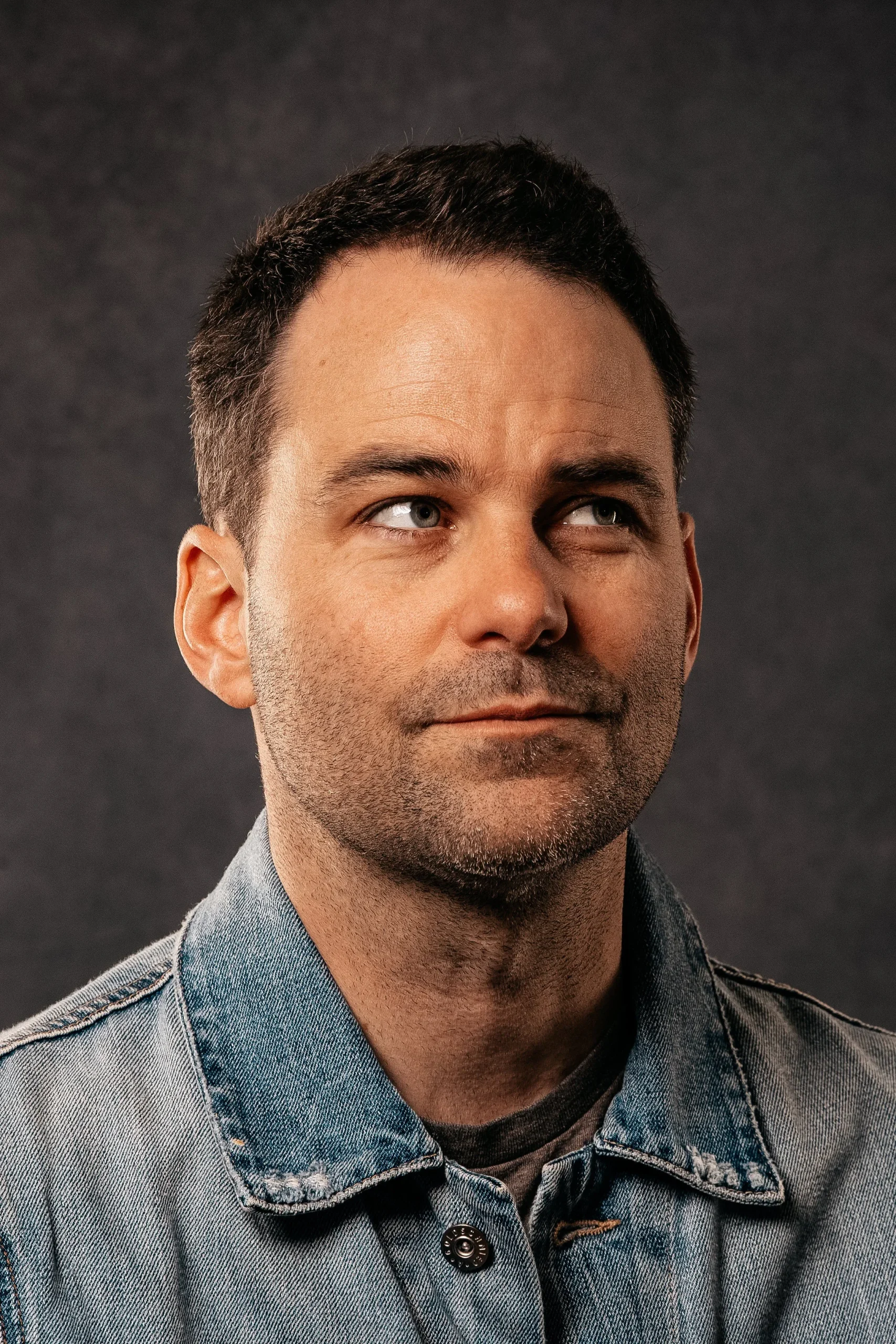
Tim Convy’s unconventional career arc started with the DIY-goes major-label power pop of Ludo and led to comedic songwriting with his longtime St. Louis pal, comic supernova Nikki Glaser. Somehow, the multi-hyphenate also manages to slip in his own stand-up gigs. Speaking from his home studio, Convy gives us all the details about composing the theme song for the double-Emmy-nominated special Nikki Glaser: Good Girl and how he makes punchlines and hooks land with a bang.
A Different Energy
When you’re working on something like “Good Girl,” the title track of a comedy special, do you approach that differently than writing for yourself?
For sure. It was a different experience because Nikki, who is really talented, never developed her songwriting or singing. There’s real talent there, but until recently, she thought it was sort of a hobby. Different friends, myself included, have been like, “You’re good, and you have a huge audience and excuse to do this stuff.” So, she was like, “All right, we’ll give it a shot.”
The first one we did was for her last special a few years ago. What’s wild is she’s a great writer, but translating that to song is different. She’s so quick and sharp, so it was a different energy in the room than I’m used to with musicians. To get to the end goal with a wild talent who was also feeling it out for the first time was really cool.
Had you seen the whole special, or was there a brief?
I was familiar with the material, and it had already been shot by the time we started working on the song. So, we knew the title of the special, then we saw that intro. Our main focus was to get a fun three-minute pop song out of this, but also something where that song is the start of the special. The show is in this big, beautiful theater, and she literally rises from the stage. We wanted it to have that gravitas. It’s one of the best-looking comedy specials I’ve ever seen. So, it’s like, “We’re going there. Let’s do that.”
"The show is in this big, beautiful theater, and she literally rises from the stage. We wanted it to have that gravitas."
Power of the Punchline
As someone who traverses both territories, tell us about the differences between comedic and traditional songwriting.
Honestly, most of the things I’m involved with have a sense of humor about them. Even Ludo is by no means a comedy act, but the band’s throughline is not taking itself too seriously. Comedy is a big part of a lot of those songs. I have a comedy rock duo where it’s about punchlines, and I’m probably approaching it more like a stand-up set put to music. When we work on Ludo and the Nikki stuff, it’s like, “Let’s write a great song that’s a little extra clever and has some laughs along the way.”
Did you know that you wanted to write stuff with a sense of humor from a young age?
Stand-up and stuff, I did much later. As Ludo ended, I got into that. And that wasn’t something I ever thought, “Oh, I’m going to go do stand-up.” I responded to comedy and performance in general, and was drawn to a lot of music that didn’t take itself too seriously, stuff like Ben Folds and They Might Be Giants. They could do an hour set at a comedy club, it’s so funny.
Then there was the next gen: Flight of the Conchords and Lonely Island. Now there are YouTubers doing high-production-value comedy. Do you feel like a veteran?
There’s so much TikTok and Instagram-driven stuff now, where they’ve twenty seconds, and that might be all of a song that exists because it does the job. A lot of it is super cool, and a lot of it is irritating. But the ones you named—Lonely Island and Conchords—I’m so envious of what those groups in particular are able to do.
"I was drawn to a lot of music that didn't take itself too seriously."
Upping the Ante
Was “Someday You’ll Die” from the show before a beta for “Good Girl”?
Similar process. These songs would, I think, live on the same album together. I think the first one was, “Let’s try to write a song for the special.” On “Good Girl,” we wanted to up the ante a little bit. There was a lot of us bouncing ideas around. It’s Nikki, so a lot of the lines were fall-out-of-your-chair funny.
Is it getting to the point where maybe there might be a full-length record?
Oh man, yes. It’s just that Nikki is so busy. It’s so funny because, within weeks of Someday You’ll Die, she did the Tom Brady roast, and it just catapulted her. We had all these plans for what more songs would look like, and then she became one of the biggest stars out there.
On “Good Girl,” what did the recording process look like?
There were a bunch of different sessions and ideas going around, but it was like starting from scratch when the three of us got in the room. Dan Monahan—our co-writer and producer on the track who I work with a ton—built a loop in Pro Tools, and we were all humming and singing. Dan’s got the drums out, Nikki’s playing guitar, and we’re all just kind of switching stuff around. It was super organic, like writing with your friends in high school.
Are there particular pieces of Roland gear you utilize in your workflow?
We use V-Drums when writing in the room with Nikki. Dan learned digital recording from the Roland VS-880 Digital Studio Workstation. It was his foray into Pro Tools and everything he does now.
Also. I have a friend who has an AX-Edge I’m always borrowing. I’ve yet to play it on stage, but I love that thing. It looks so cool, but what it can do is incredible. I want to run it as a controller through that and still be running all over. That’s my goal, so maybe in October with Ludo.
"Dan's got the drums out, and Nikki's playing guitar. It was super organic, like writing with your friends in high school."
In a Midwest State of Mind
Are you’re all Saint Louis-based?
Yeah. Nikki’s from here. We grew up in the same suburb, blocks from each other. But that said, we met in New York City. Now, we all live in St. Louis, so this is headquarters. She’s all over, but she has a home here. It’s pretty special.
Tell us how Ludo came to be.
We moved into a small house in Tulsa, Oklahoma, and did nothing but work on music and book shows. We had no idea what we were doing, but succeeded in spite of ourselves. We put out two releases independently: a full-length and then a rock opera EP. It was the MySpace era. So we’re messaging people to come see us. It’s one of those weird mythical stories.
All of a sudden, we were selling some records and tickets for an independent band, and the A&R stuff started happening: South by Southwest and all the labels and dinners. We ended up on Island Def Jam and did two albums with them. We got to do The Tonight Show and Jimmy Kimmel Live!, and we were on MTV Cribs.
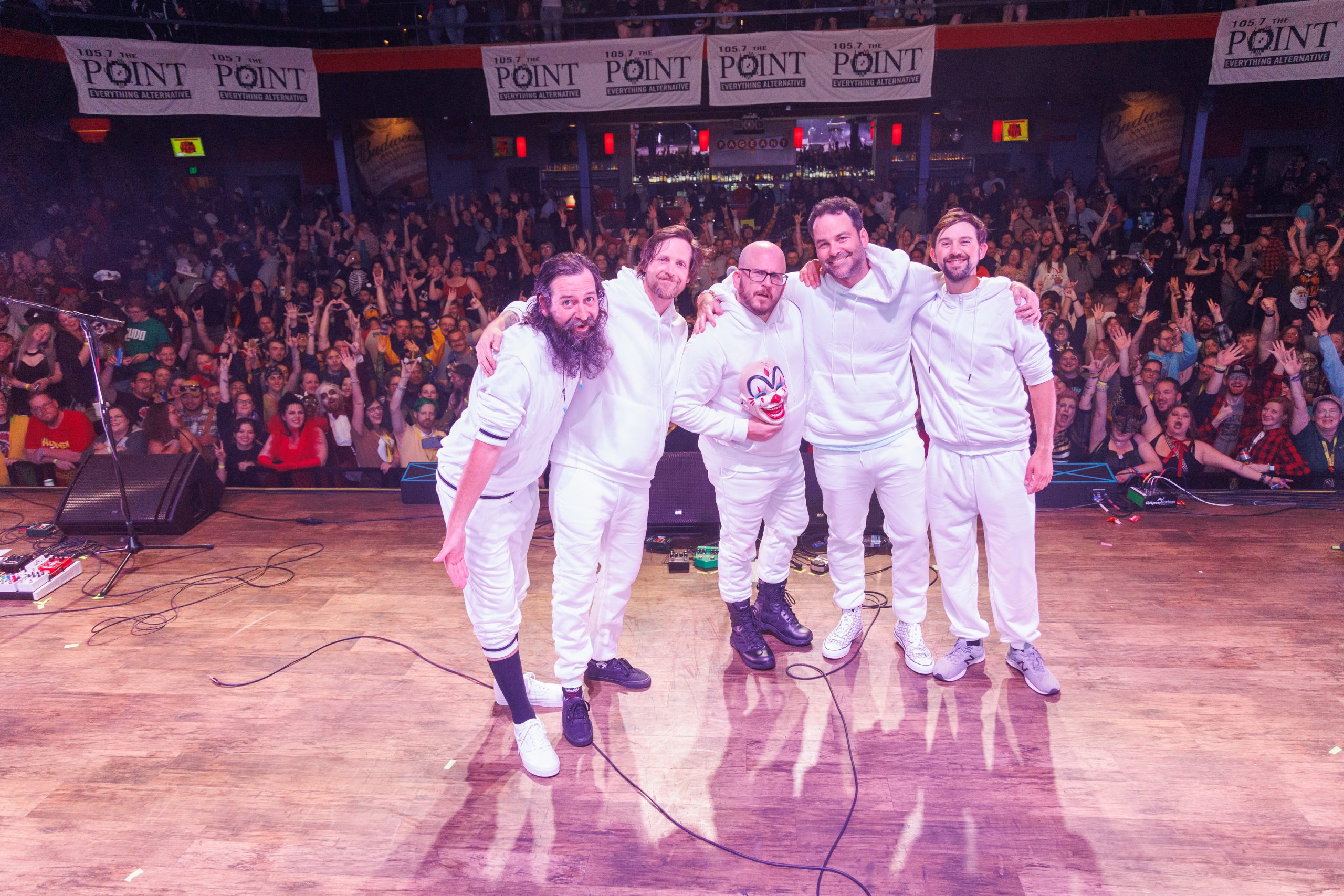
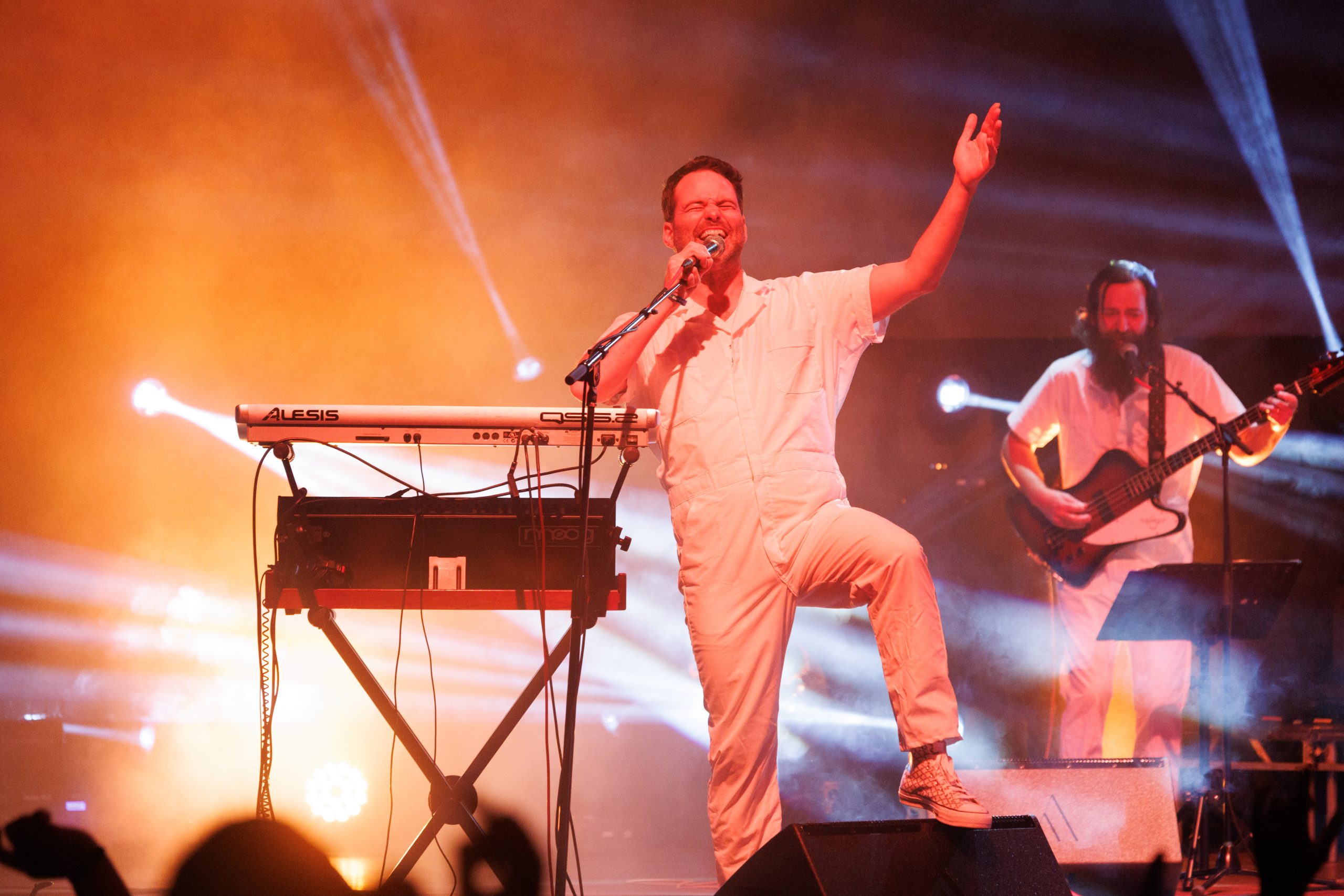
We made another record, imploded, and stopped for six years. Then, we did a reunion, not knowing if anyone would care. It sold out, so it’s become this annual thing. We’ve now made some music. I’m the only one who lives here, and everybody’s spread out all over the country, so we have Ludo marathons where we’ll get together for a week.
Laughing All the Way
You tour quite a bit as a musician and comedian. How much of your life does that encompass?
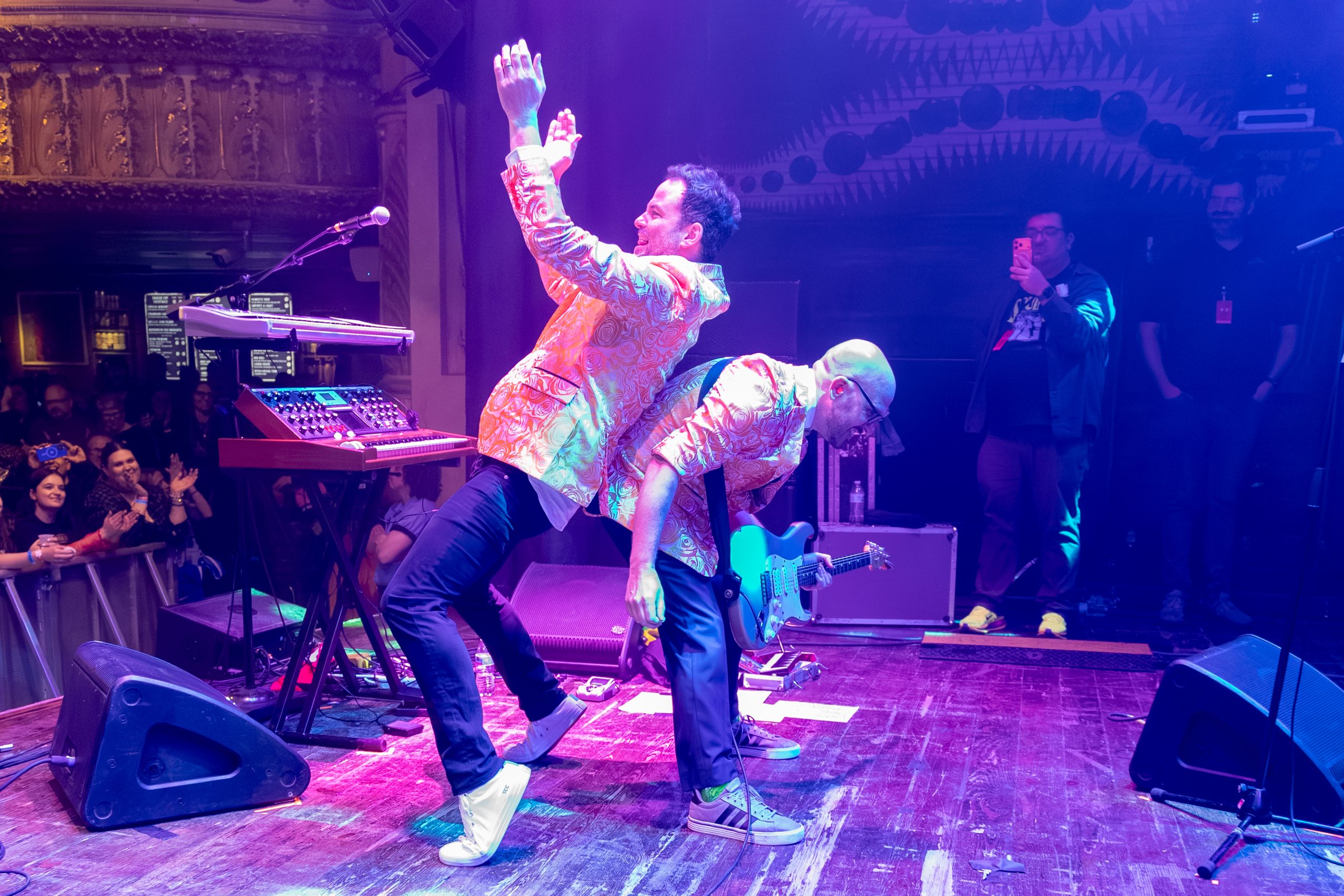
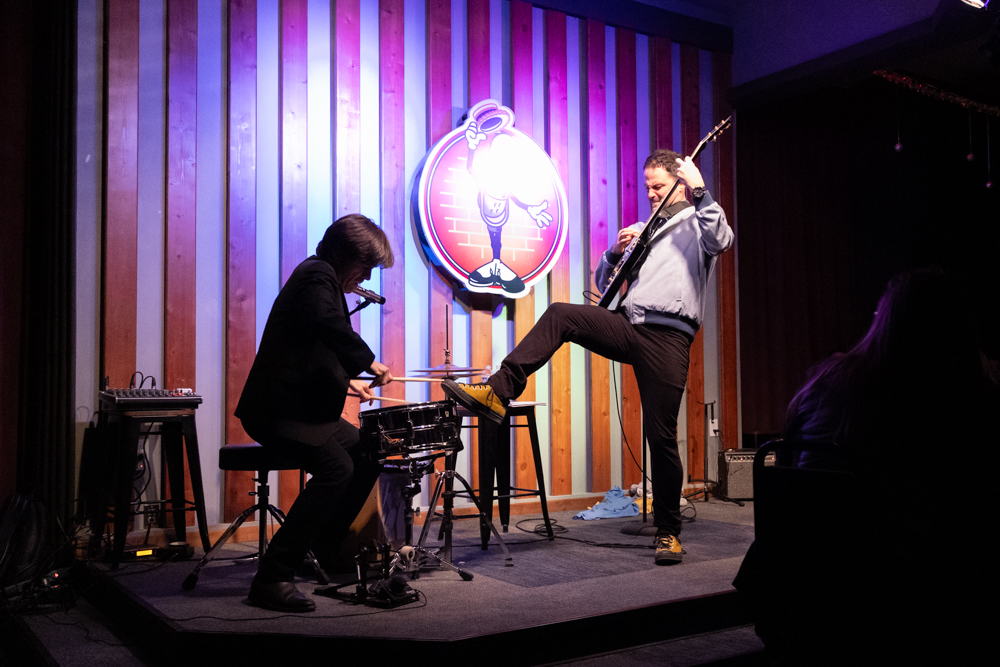
Most of my touring is stand-up. But from the day I started stand-up, everybody was like, “Well, when are you going to do music up there?” In the stand-up space, there weren’t a lot of comedians doing music who I really responded to. It all came more from the people on the music side. So when I finally did, it was with a friend I played music with my whole life. He comes up and plays drums with me.
I’ve been a keyboard player with a chip on my shoulder my whole life, and now I’m a guitarist. We’ll open up for bands, but we’ll also do comedy clubs. At a rock club, they’re so delighted by punchlines.
"I've been a keyboard player with a chip on my shoulder my whole life, and now I'm a guitarist."
Who are your biggest comedy influences?
My top three of all time are all giants: Chris Rock, Dave Chappelle, and John Mulaney. All three of them are so masterful at articulating thoughts that so many people identify with, even if they never realized it before that moment.
How has Nikki been supportive of your stand-up career?
She pushed me to get on stage for the first time, and my fifth and sixth times doing comedy were opening for Nikki Glaser, which is the dumbest thing in the world. She’s fantastic and deserves all her success.