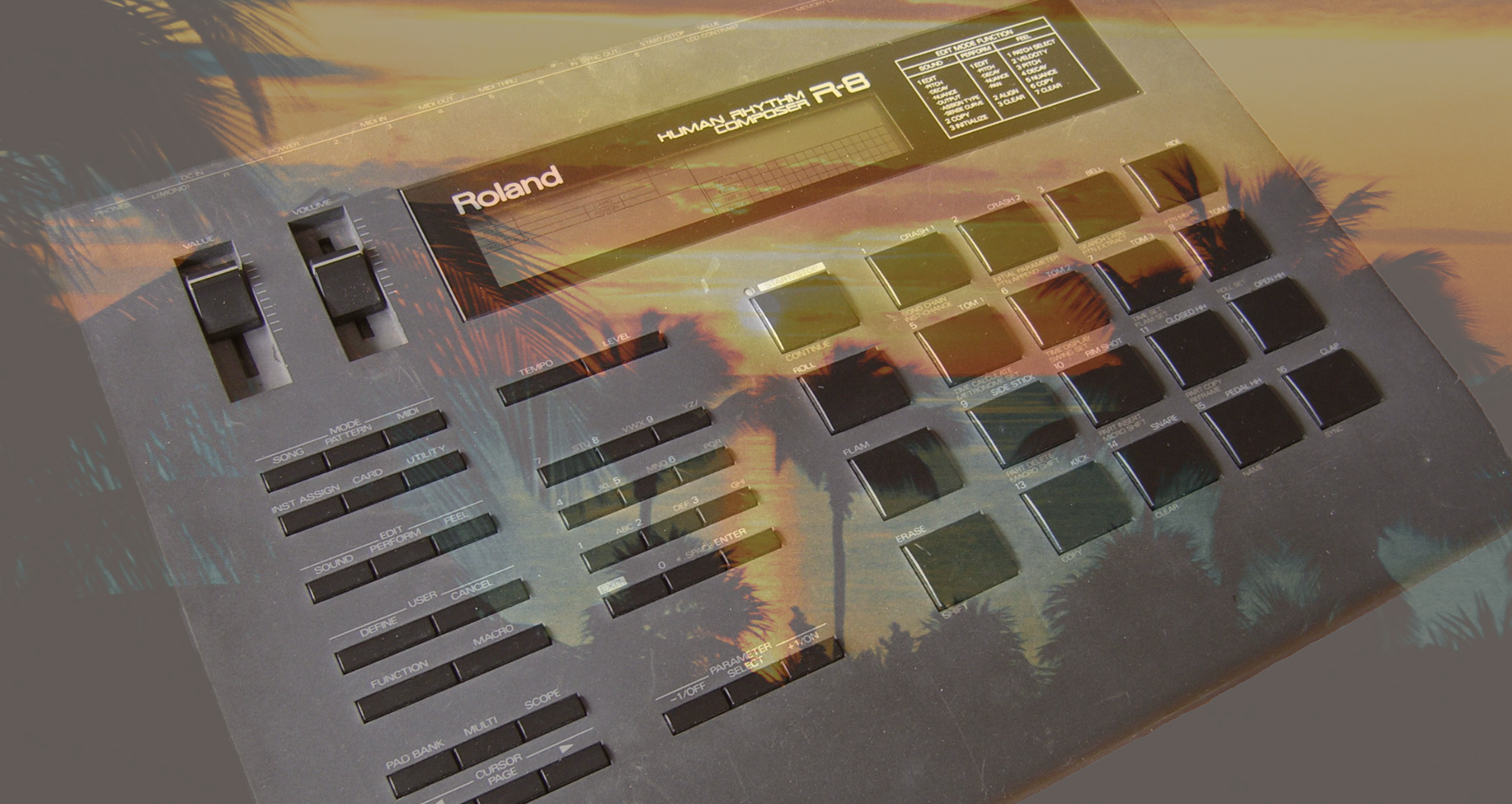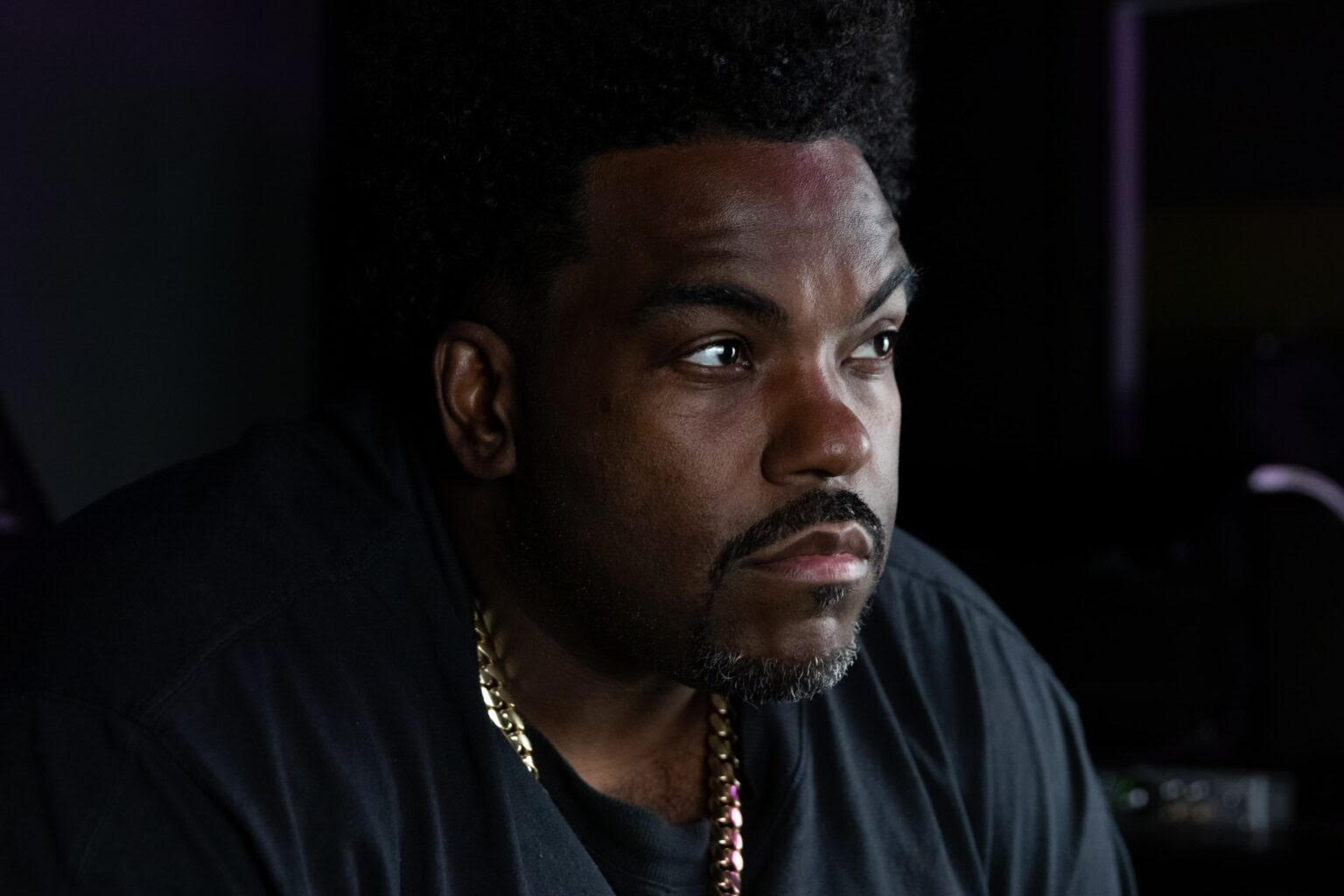


Songwriters Hall of Fame producer Rodney “Darkchild” Jerkins has mastered the art of timelessness throughout his 30-year career. His success reflects schooling in the classics curriculum of legendary studio mentors. As a teenager, he studied interviews with Pete Rock and Stanley Brown to discover the equipment they used. He even recognized his brother’s Roland R-8 sounds well enough to pinpoint its snare on gospel records by The Winans, Commissioned, and John P. Kee. Jerkins spent his high school years under the tutelage of New Jack Swing pioneer Teddy Riley, and scored his first #1 record before he turned 21 with Brandy’s “The Boy Is Mine” off her debut Never Say Never.
“After that, it was like I graduated from high school when it came to making music,” he explains. “But when you start working with Whitney and Michael, now you’re in real college.” After millions of records sold and hits with everyone from Destiny’s Child (“Say My Name”) and Lady Gaga (“Telephone”) to SZA (“Shirt”) and Michael Jackson (“You Rock My World”), the Grammy Award-winning producer traces his signature sound to his Roland beginnings.
The Genesis of Darkchild
You were immersed in gospel music as a child. When did your producer journey start?
In my teenage years, I started to develop on the production side. One of the first drum machines I ever got was a BOSS Dr. Rhythm by Roland. I may have been 11 years old, and I used to take it to school with me in my book bag. My brother also had equipment, and I would sneak into his room to use his gear. But my actual first piece of gear was that $120 drum machine. That would have been probably 1987. I would plug it in even in the cafeteria at school. I remember being in middle school and using it for talent shows.
"One of the first drum machines I ever got was a BOSS Dr. Rhythm by Roland. I used to take it to school with me in my book bag."
Studio School
Who were some artists that directly influenced the sound you would eventually make?
In the beginning, it was a lot of Teddy Riley because I was around him during my high school years. I had the privilege of going down to Virginia Beach to his studio, Future Recording Studios, and watching him work. It was like a cheat code for knowing what sounds to go to.
You know the main sound on “Remember The Time?” There was a sound called Nylon Atmosphere. If you made R&B music in the ’92 to ’95 era, and you didn’t use Nylon Atmosphere, you weren’t on the radio. That sound was in the Roland D-50 keyboard, and Teddy probably used it more than anybody. It’s the first sound that comes on in Mary J. Blige’s “You Remind Me.” The “Human Nature” remix with SWV also has Nylon Atmosphere in it.
"When I worked with Mary J. Blige and Whitney Houston, I learned emotion."
You’d been in the studio with legends like Mary J. Blige, Whitney Houston, and Michael Jackson by age 22. What skills did you learn in those sessions?
When I worked with Mary J. Blige and Whitney Houston, I learned emotion. I remember my brother and I doing a song from Mary J. Blige’s Mary album called “Searching.” She was going through a difficult time in her life when she was searching for love, for God, and for everything, until she wrote the song.
I remember her being in the booth singing the song. She’s probably like four minutes into the song, and then she starts crying. As she was crying, she was still singing. You could hear her just trying to get through it. Instead of me saying, “Stop, you’re crying,” I let her keep going. I made sure to capture that emotion. Capturing things on tape is very important. You can make or break an entire song if you capture that right moment.
Perfecting The Sound
What is a classic album you worked on from the beginning to the end that exemplifies your production talents?
When I worked with Brandy on Full Moon, I had her come into the studio around 10:00 or 11:00 a.m. She was training and playing tennis with Serena Williams before the session early in the morning. Then she would come into the studio, and we would work on music, and she was done by six or seven o’clock. My team and I probably stayed till midnight—I would be tweaking and touching up different things.
A lot of my creative process happens in postproduction. I believe melody is king. My whole thing is getting the best melodies down first. I can always produce the music how I like later. A lot of times, I’ll just get the idea out of me quickly. That’s how I like to work. Once we feel we have something with substance, I produce it. Then I go in and color and decorate it, making it what I think it needs to be.
"I believe melody is king. My whole thing is getting the best melodies down first. I can always produce the music how I like later."
Sonic Signature
What is the Darkchild sound?
I would say it came from Roland. Ready for this? I think the sound that everybody marries me to is the harp. “The Boy Is Mine” came out in 1998. I used that same harp sound from the beginning of that song on the Lady Gaga song “Telephone” in 2010. I use that same sound on “If You Had My Love” by Jennifer Lopez mixed with another sound. I used the same sound on “He Wasn’t Man Enough” by Toni Braxton, which Burna Boy sampled it on “Last Last.” It’s a harp sound from the Roland JV-2080, but it’s how I played it, too.
Back then, they would play harps as a glistening sound, but I played it rhythmically. I would take the chords and arpeggiate them and play them in a rhythm form. I literally was playing a song for someone the other day that I felt really passionate about. They told me, “You should change the sound that you have on the intro and make it a harp.” I asked them, “Why?’” He told me, “That’s your signature sound.”