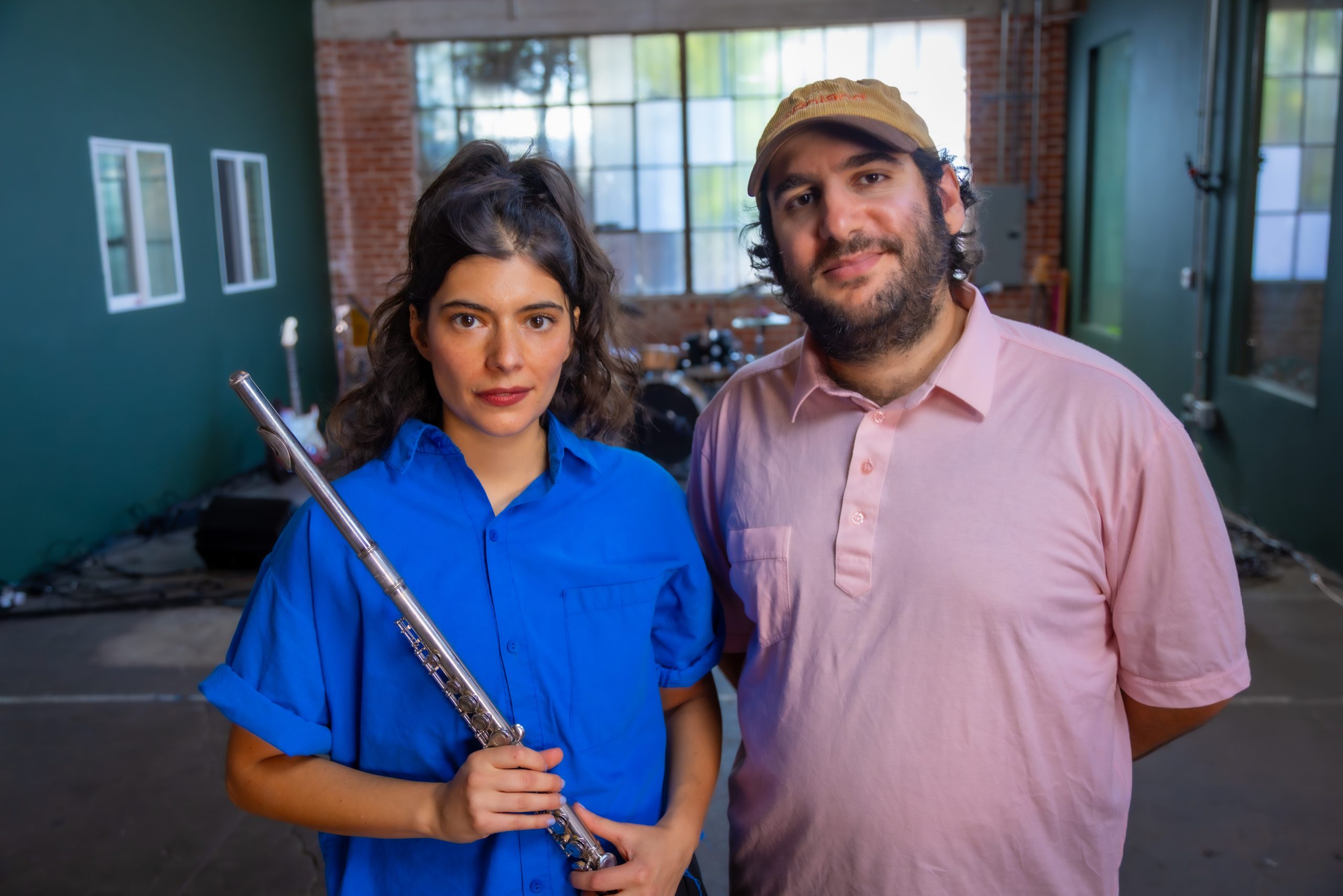


Pearl & The Oysters is a state of mind: a bucolic paradise where twinkling electric piano and floating flute lines commingle around breezy beats and unaffected, wide-eyed vocals. In short, the group’s music is blissful. The partnership between primary Pearls Juliette Pearl Davis (Juju) and Joachim Polack (Jojo) has yielded five releases of refined songwriting, melodies, and arrangements harkening back to the golden eras of pop and exotica.
These days, the world is different, and the duo’s operative word for our society is “frenzied.” Pearl & The Oysters reference our reality on the group’s new album Monkey Mind (Stones Throw). The title (borrowed from a Buddhist concept) reflects what we are going through as a culture: scrolling on our phones, searching for an elusive answer. In this context, their heady, comforting music offers a warm escape.
New Inspiration
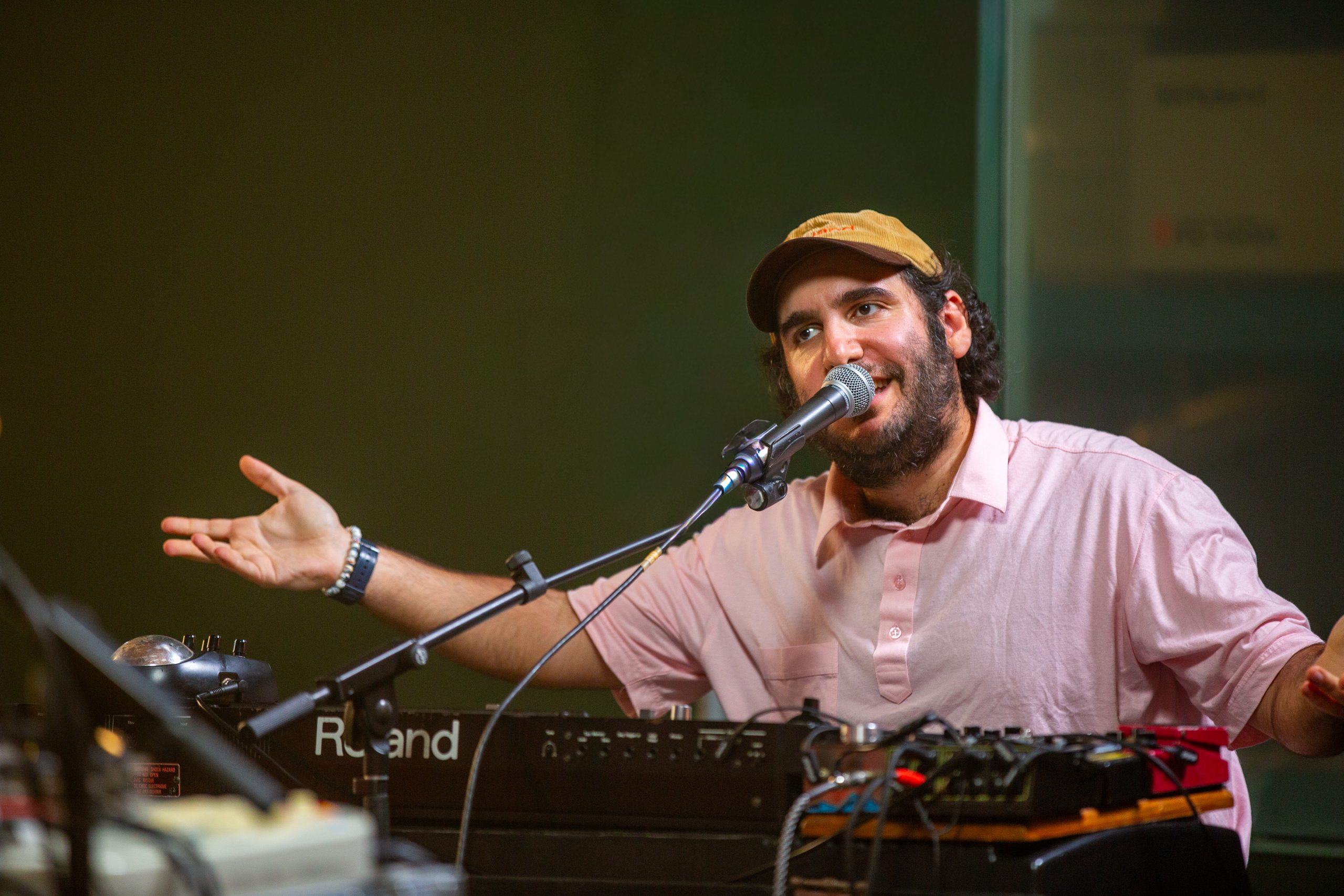
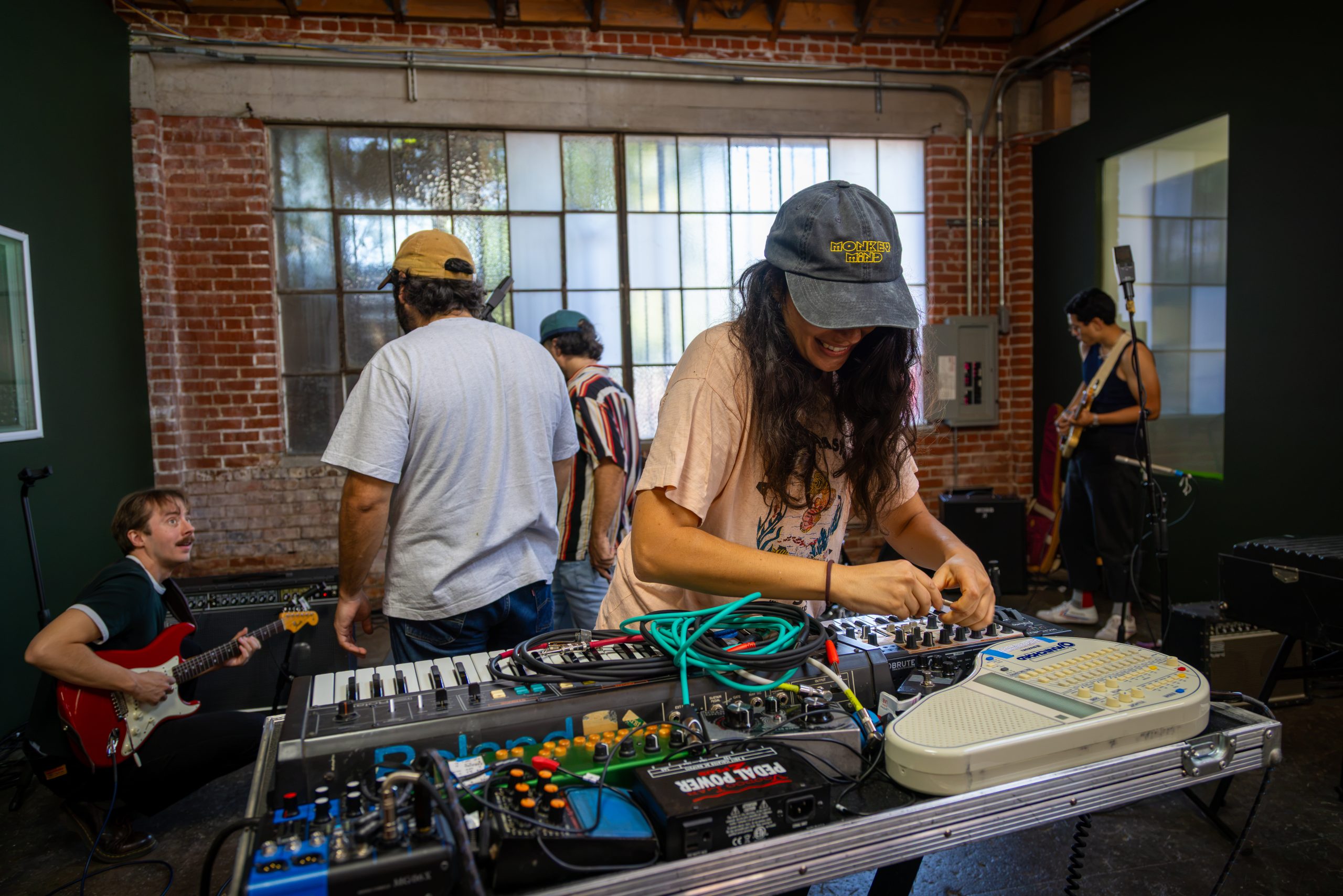
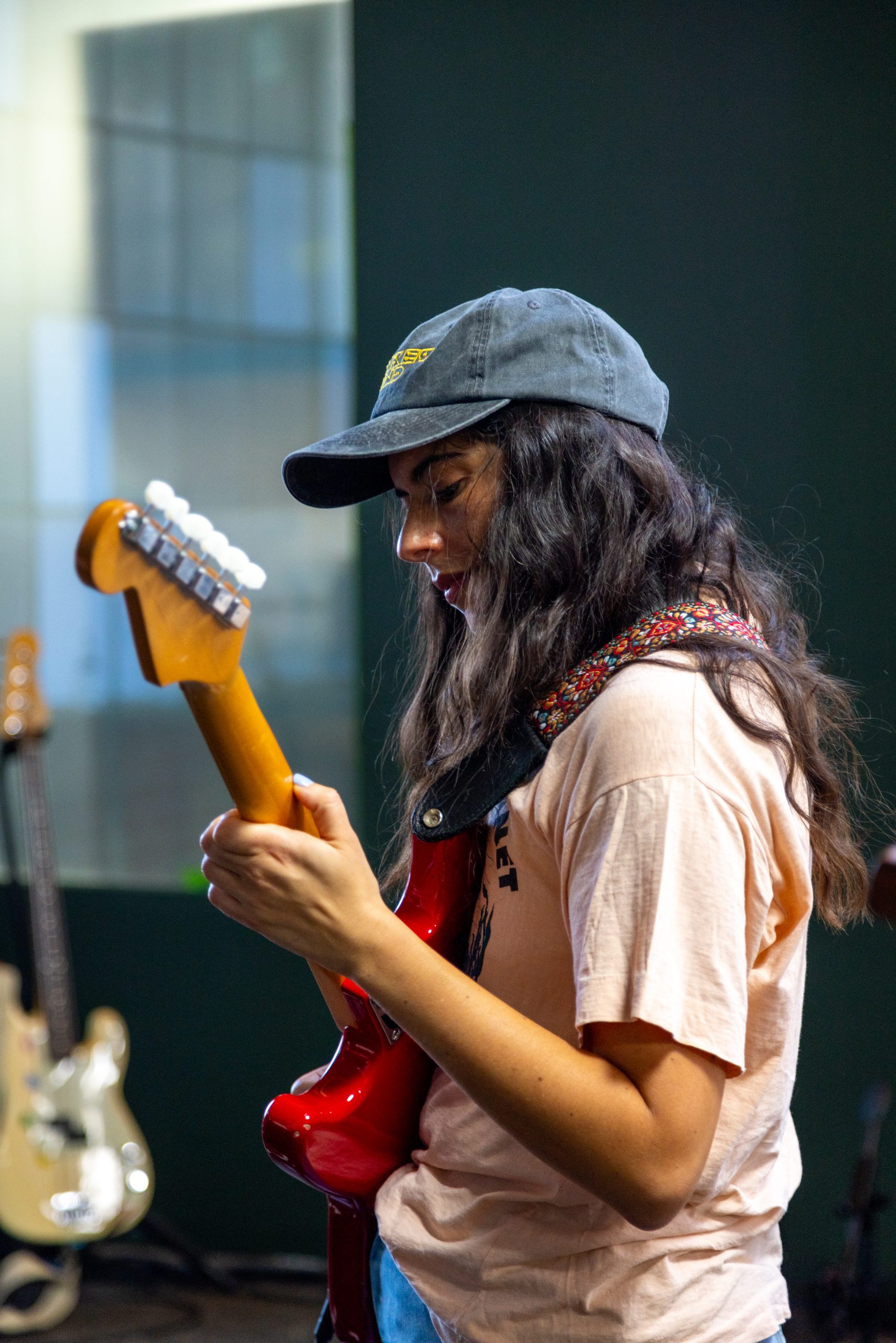
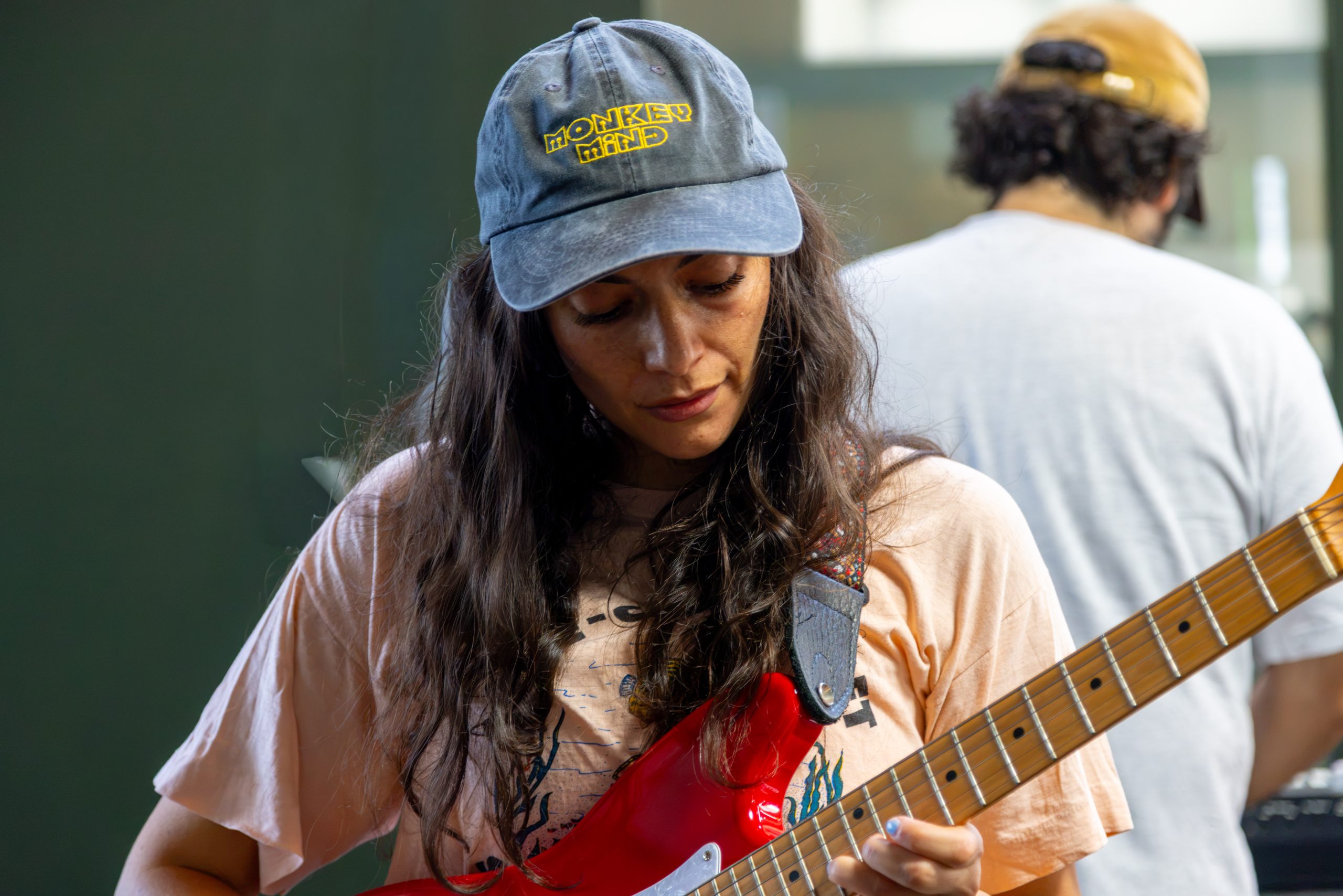
Seated casually on a black leather couch in the green room before an album release performance at the Roland video studio, the pair chats about the inspiration for their latest collection. Today marks Juju’s first time playing guitar in a live setting, and she admits to some nerves. “Everyone should have a band,” she says. “It makes you learn new things.”
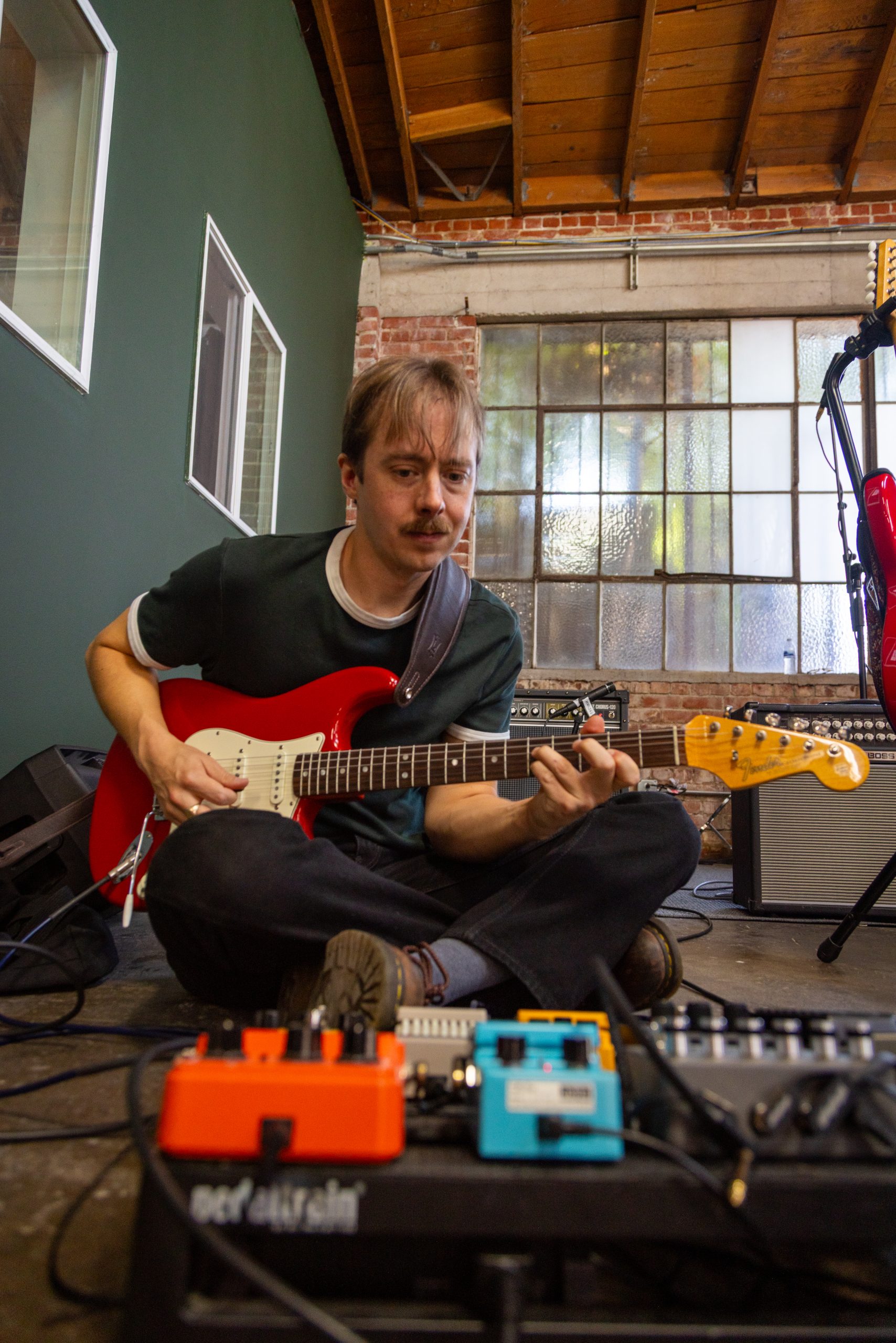
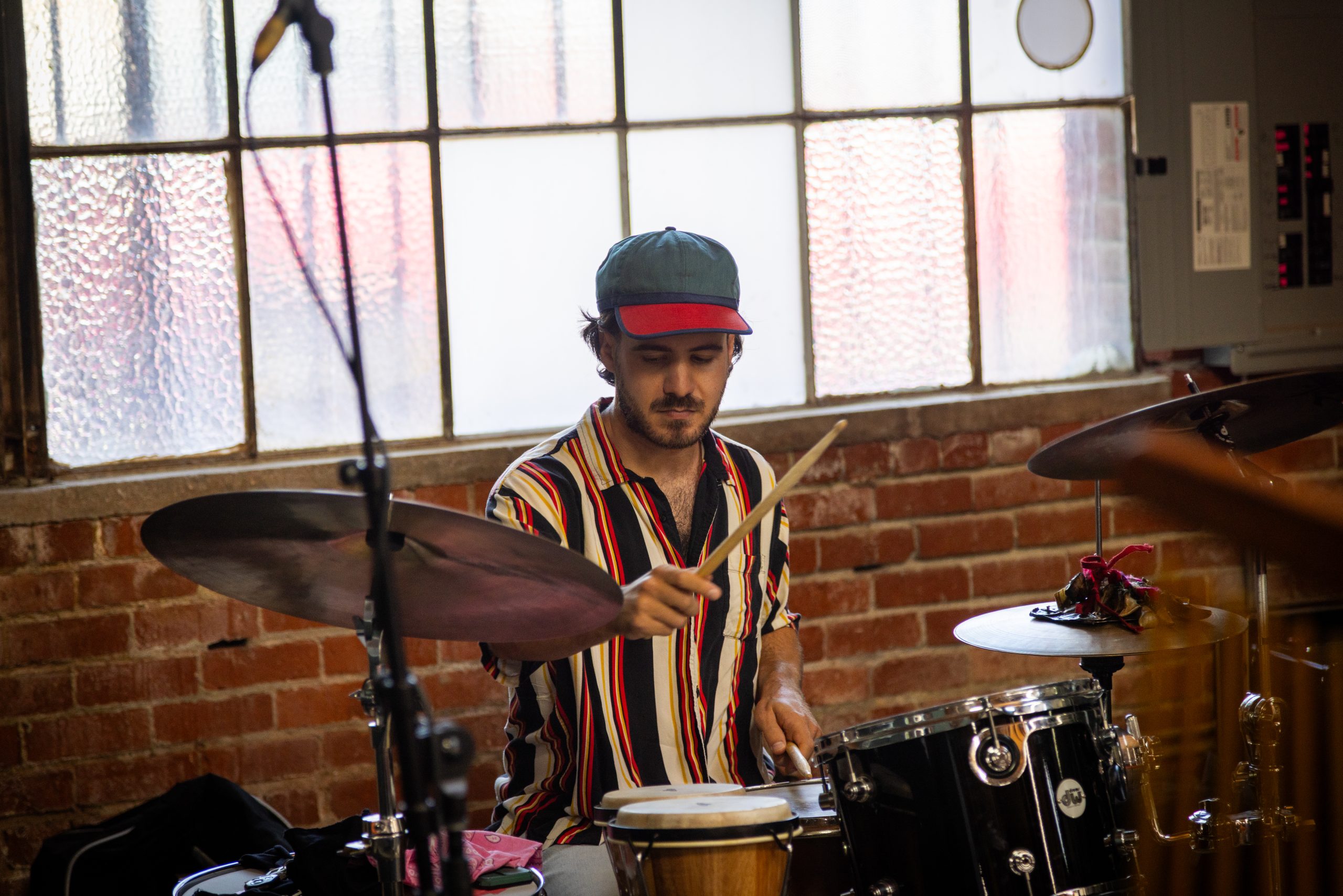
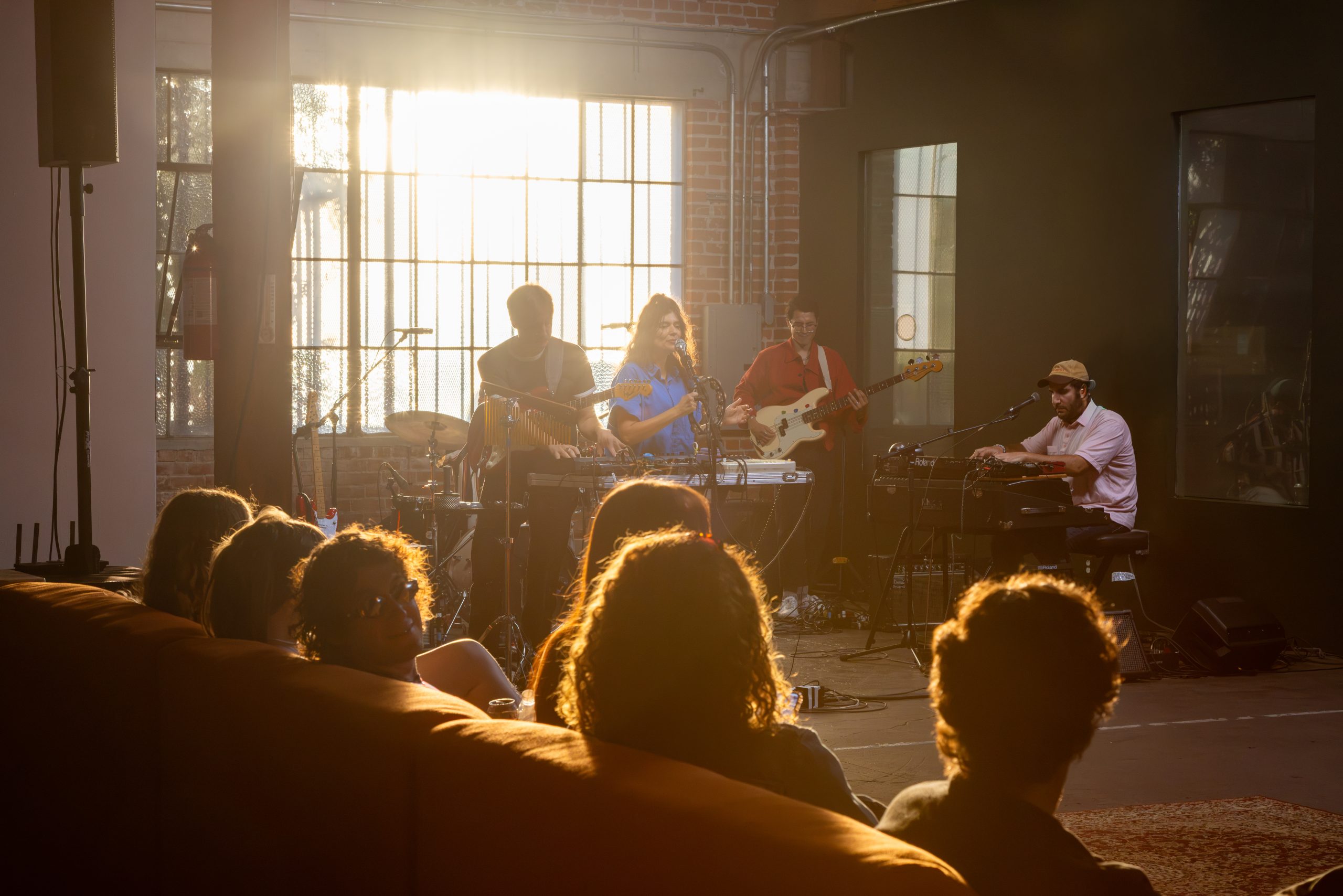
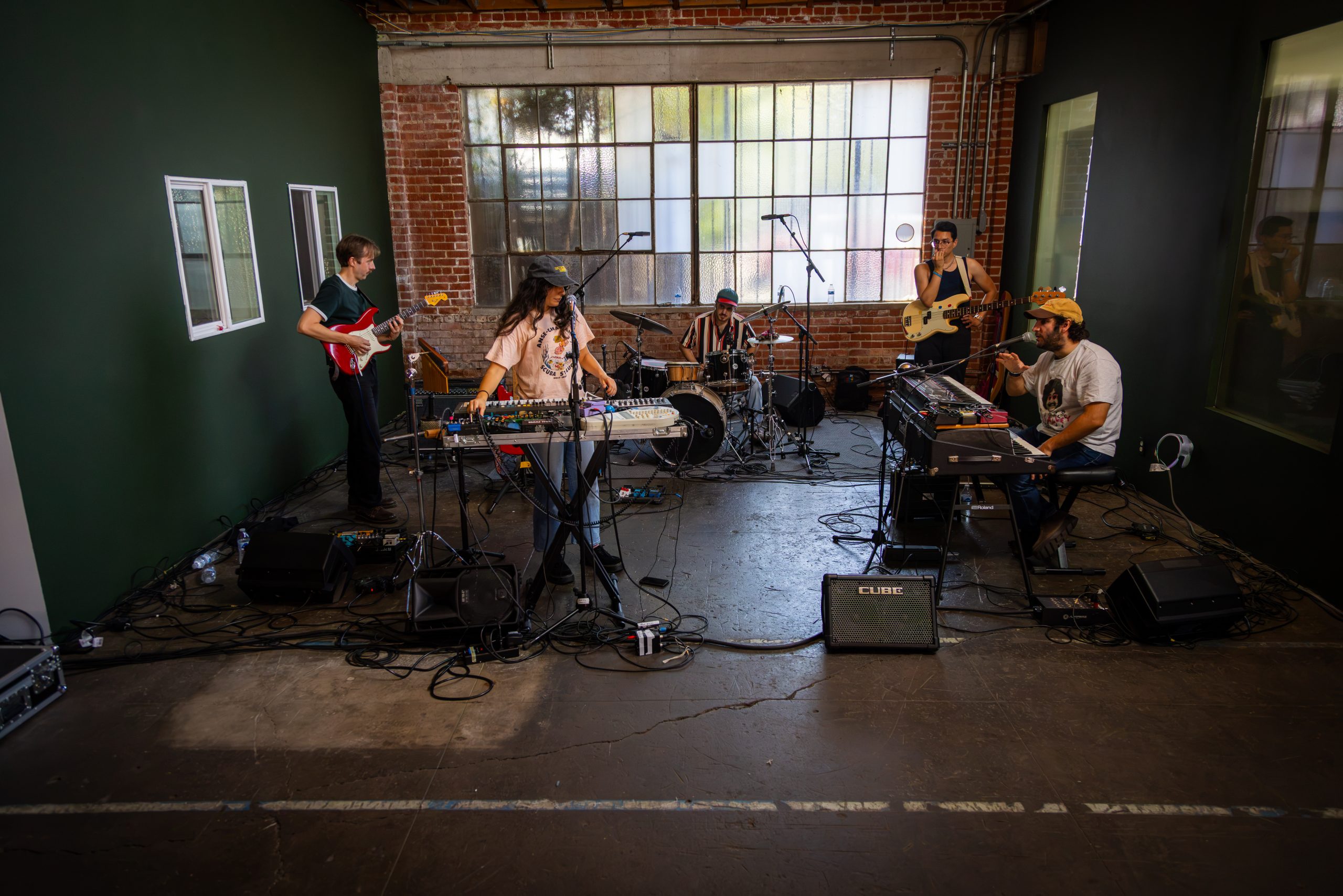
No apprehension is visible as the tour-ready five-piece version of the Pearl & The Oysters launches into an exclusive set for a small group of fans and tastemakers. With Laurel Canyon-kissed melodies and the knottiest of yacht rock chords, the group demonstrates why its soothing retro-futuristic sound continues to draw listeners like flies to honey.
A few days earlier, from their homey Highland Park apartment, Juju and Jojo waxed philosophical about their journey—at once melodic, aesthetic, and geographic.
"Finding ourselves in a town saturated with amazing art, music, and musicians challenges us to keep up."
Jojo
LAndscape
You describe Monkey Mind as your first true LA record. As Angelenos, how has the city shaped the Pearl & The Oysters vibe?
Jojo: Because we are from Paris, we tend to exoticize whatever locale we end up finding ourselves in. Florida as a different planet was a long metaphor we stretched over three albums. With LA, it was a new environment, ecosystem, landscape, and dynamic. That alone was a big inspiration. Also, finding ourselves in a town saturated with amazing art, music, and musicians challenges us to keep up.
Juju: Coast 2 Coast was about exploring, but then there was a moment when we were in the city of LA, one of the rare places where musicians are here to work. Before that, we were kind of nomadic, going from France to Florida and moving and observing. We’ve been here for close to six years now. I feel that made us take ourselves more seriously and also maybe look inward more.
A ’70s influence is all over the new music. The bio mentions Todd Rundgren, The Beach Boys, and Steely Dan, and there is plenty of Joni Mitchell, exotica, and other flavors. What makes the decade so inspirational?
Jojo: There is a ’70s feeling in the sound, the tape, and everything. Not to become too revivalist, but there’s something about how a record sounded before the advent of digital technology.
Juju: I think it’s also tied into songwriting trends. If you think of the music scene 15 years ago, it was more rhythm-forward. Throughout the 20th century, there were eras that placed greater emphasis on the song in a melodic sense. I’m glad we’re in an era where chord changes and songwriting are a little more important.
"I'm glad we're in an era where chord changes and songwriting are a little more important."
JUJU
Strike a Chord
Pearl & The Oysters has such an adventurous chordal palette. Is that something you’re constantly challenging yourselves with?
Juju: I don’t know if it feels like a challenge, more of a taste.
Jojo: It’s guided solely by what we think is cool. Both of us having studied music makes it easier to get into that harmonic sophistication. It feeds itself. When I was in jazz school, I didn’t enjoy bebop; I was more into cool jazz. But once I started transcribing, I found it really beautiful. Slow down a Charlie Parker solo, and melodically, it’s insanely gorgeous.
Juju: For me, it’s a little different because I’m not a jazz virtuoso
Jojo: (laughs) Nor am I.
Juju: I don’t bathe in this musical language, but I analyze in my own way. I’m a picky listener, and I can also be picky when I write.
"I’m a picky listener, and I can also be picky when I write."
JUJU
Primate Production
Tell us what working with Jonathan Rado was like on the record. What type of producer is he, and what did he bring to the record?
Jojo: We picked up the first Lemon Twigs album Rado produced. There was something about the production—the whole package was incredible. I remember being like, “Oh, it’s the Foxygen guy.” He has a flavor I just couldn’t find anywhere else in the way people make records these days. There are few people who work like that and approach the role of a producer in the way he does. Fast forward a few years, and he sent us a DM.
Juju: He said, “I’d like to work with you guys.” He felt it would be an exciting combo. Rado understood that we would be the type who wouldn’t be scared to get weird in the studio.
Jojo: It turned out to be very, very true.
Juju: Rado has an amazing intuition in general. We discovered that throughout the recording. It’s really incredible to witness, honestly. We did get weird.
Jojo: I think he got the weirdest, but he knew that we were there for it.
"We handpicked rhythm-section pairs; each got three songs. That was our little Steely Dan eccentricity."
Jojo
You used a direct-to-tape analog approach with few overdubs. What was that like?
Jojo: We did overdubs at our studio towards the end, but I would say 80% of the instrumental stuff—maybe 90%—was live. Sometimes we kept the scratch vocals because we were like, “Wow, I love it.”
Was a lot of rehearsal involved in preparation?
Jojo: We brought all the people that we’ve toured with over the last couple of years. We handpicked rhythm-section pairs; each got three songs. That was our little Steely Dan eccentricity. We love them and their playing so much that we were very invested in having them on the album.
Juju: And we’re sensitive to some pairs’ chemistry.
"I played the flute and trumpet and also have chimes. I have the antennas open for wherever I can fit something."
Juju
Chemistry Lesson
How would you describe your individual roles in the studio?
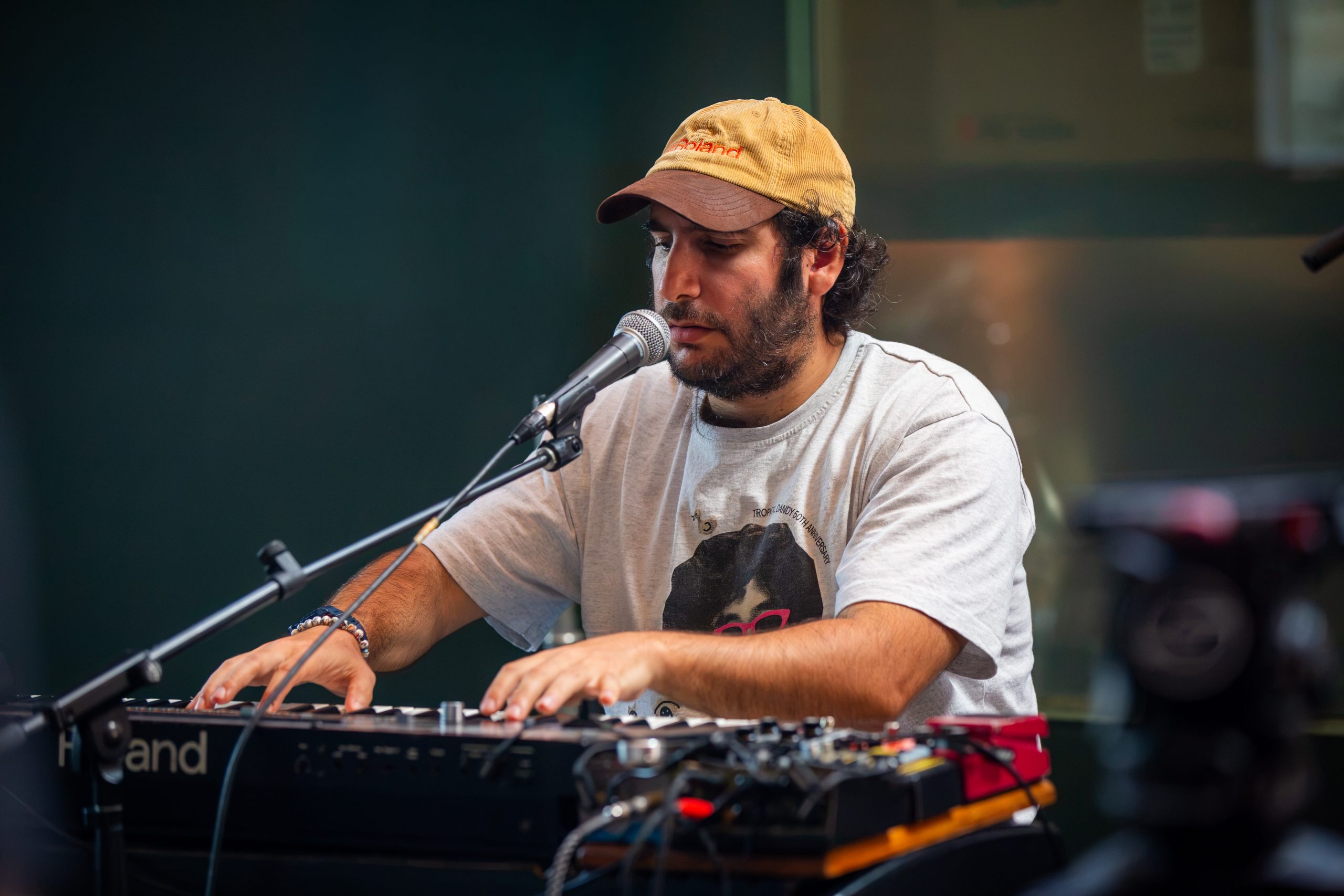
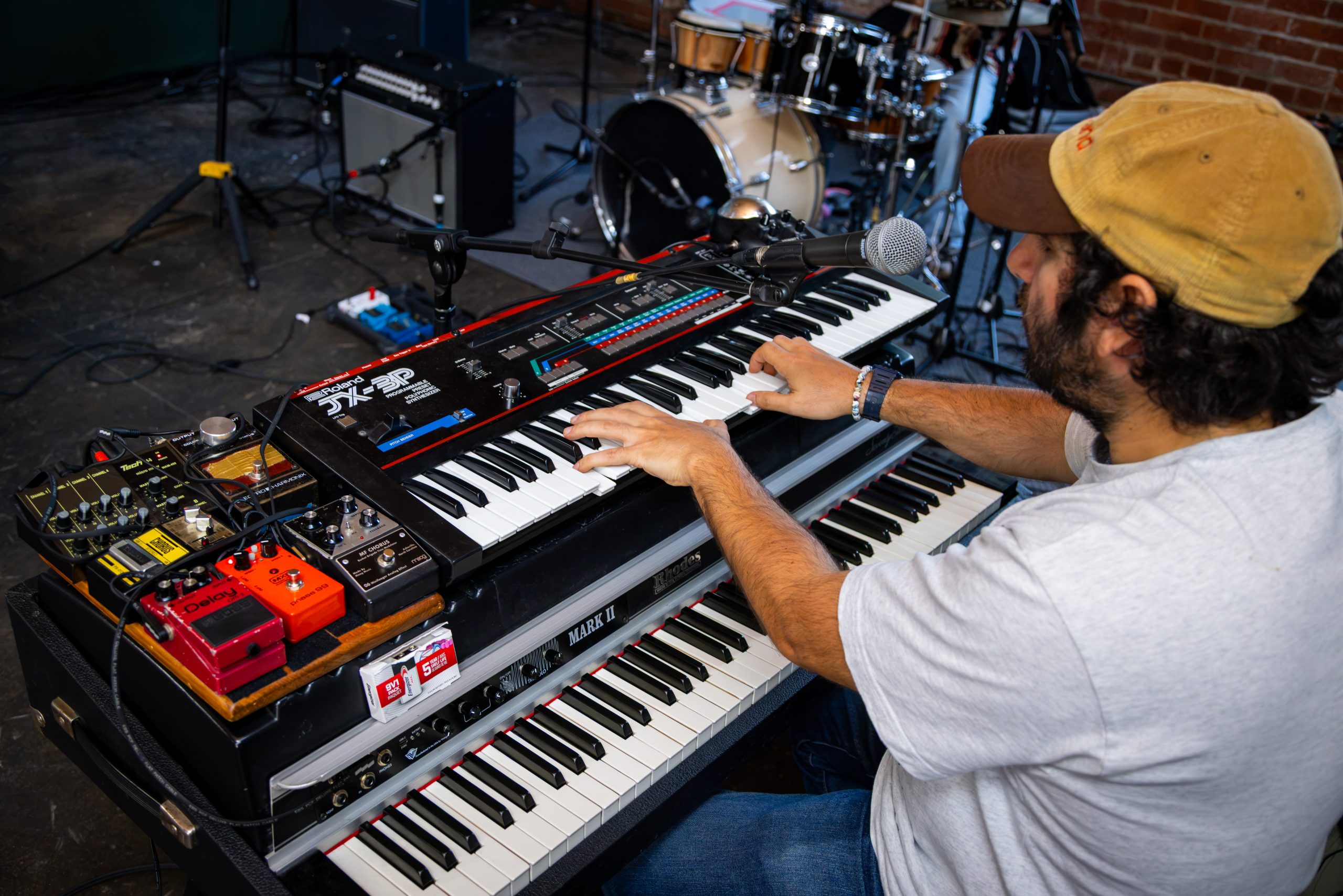
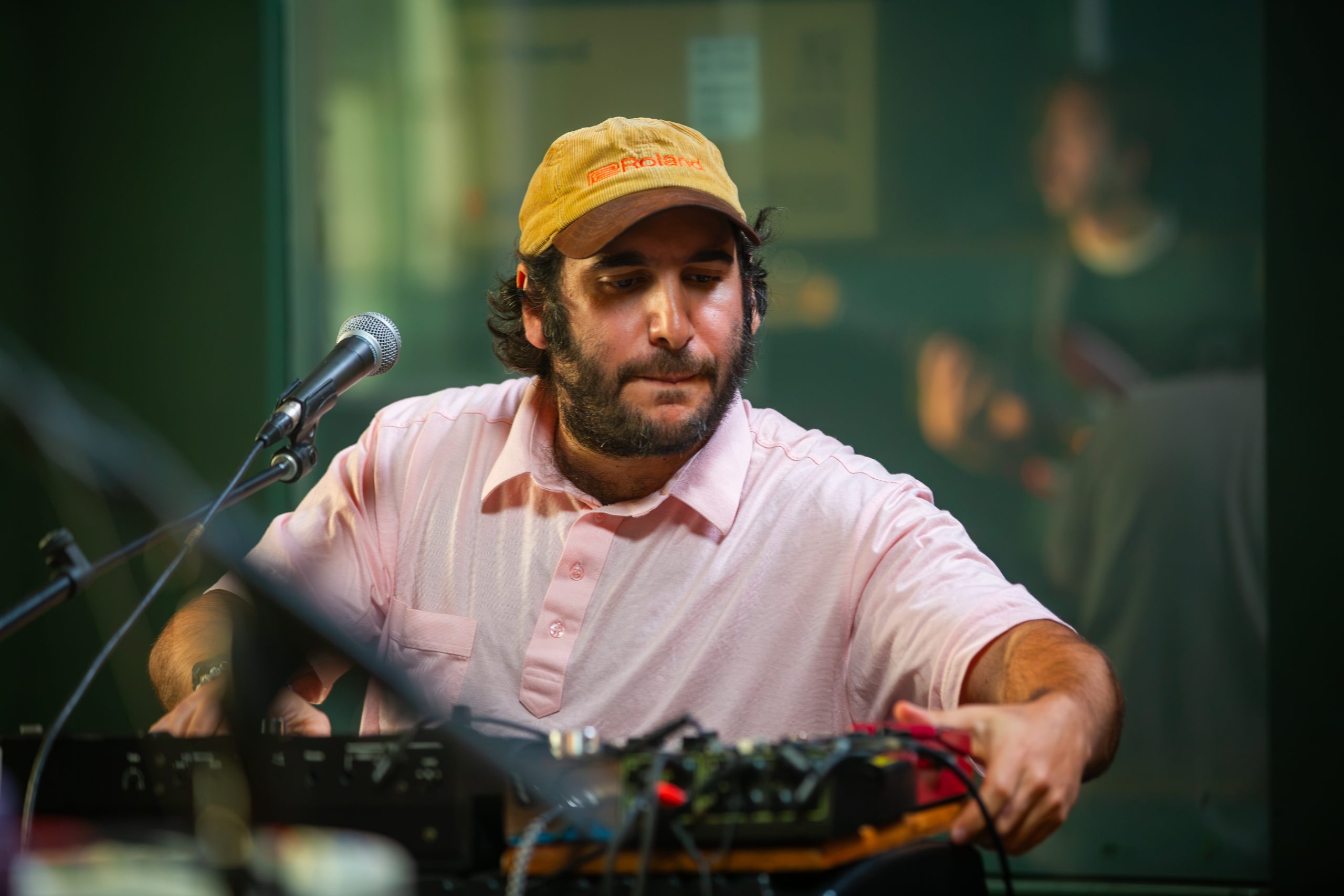
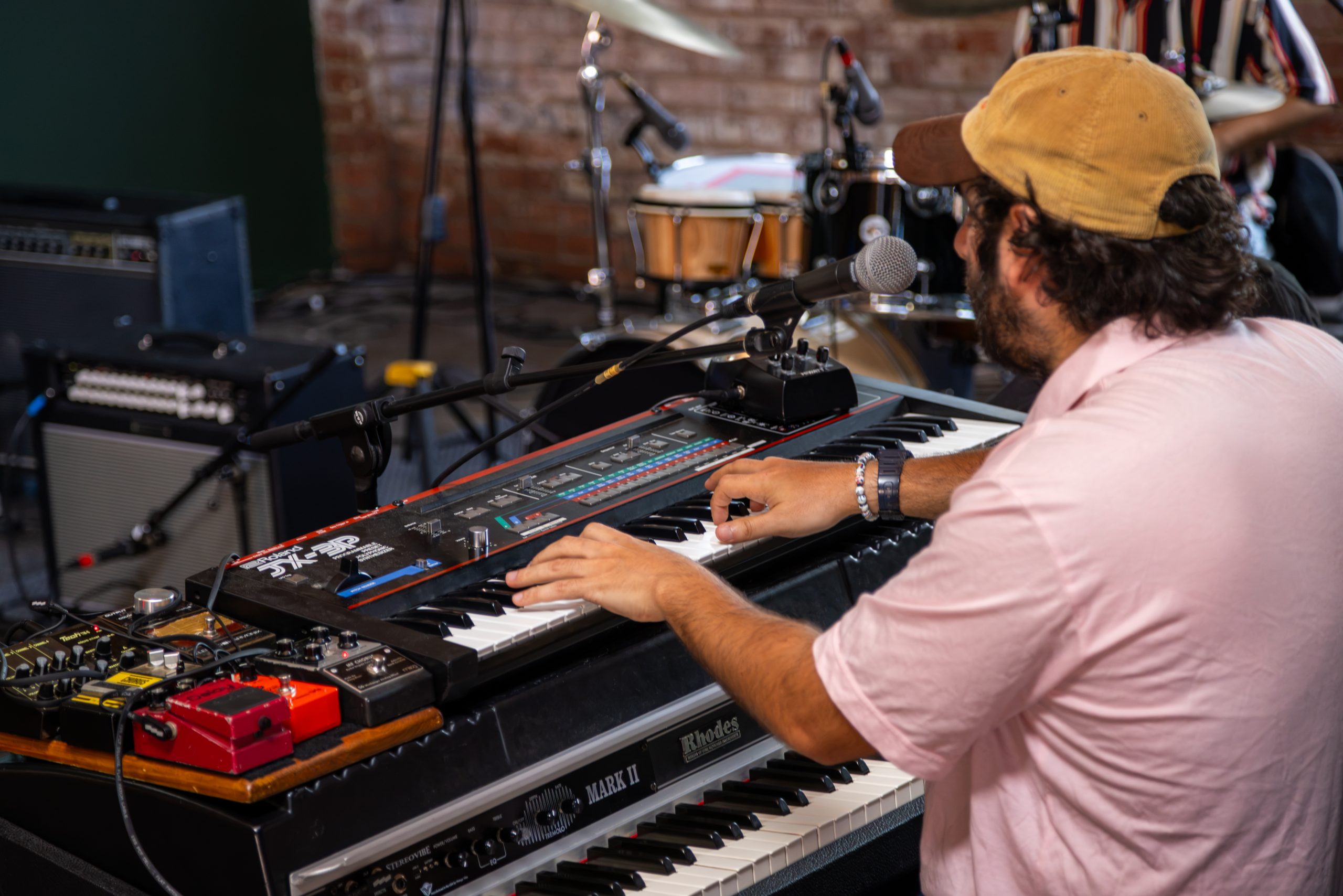
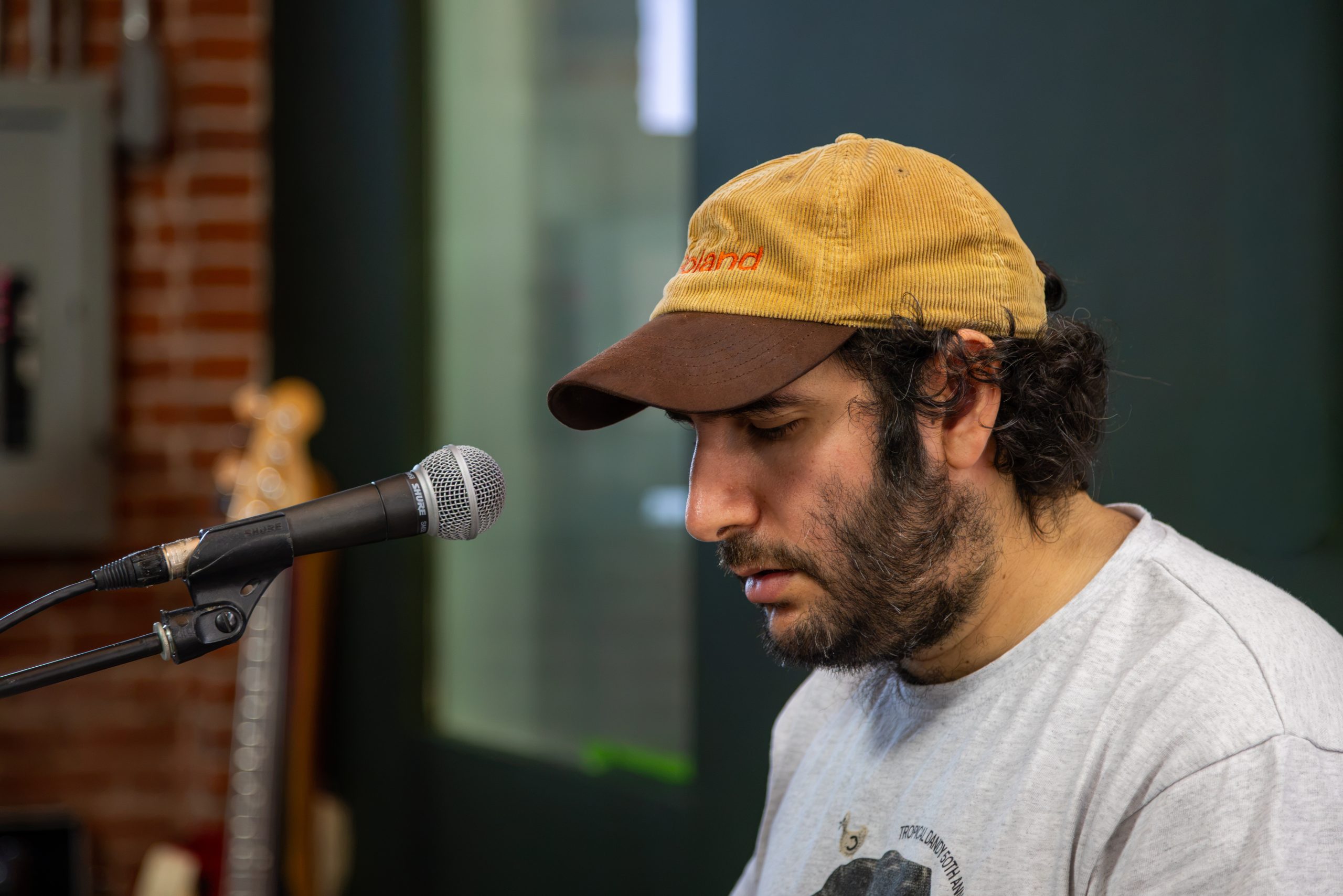
Jojo: Since Planet Pearl, I feel the best when I’m MDing behind the keyboard. I can listen to everybody and riff with the bass players about their parts, riff with a drummer. We get to tweak the arrangements as we go. I think this was the first album where we knew exactly what the melody and the lyrics were going to be going in.
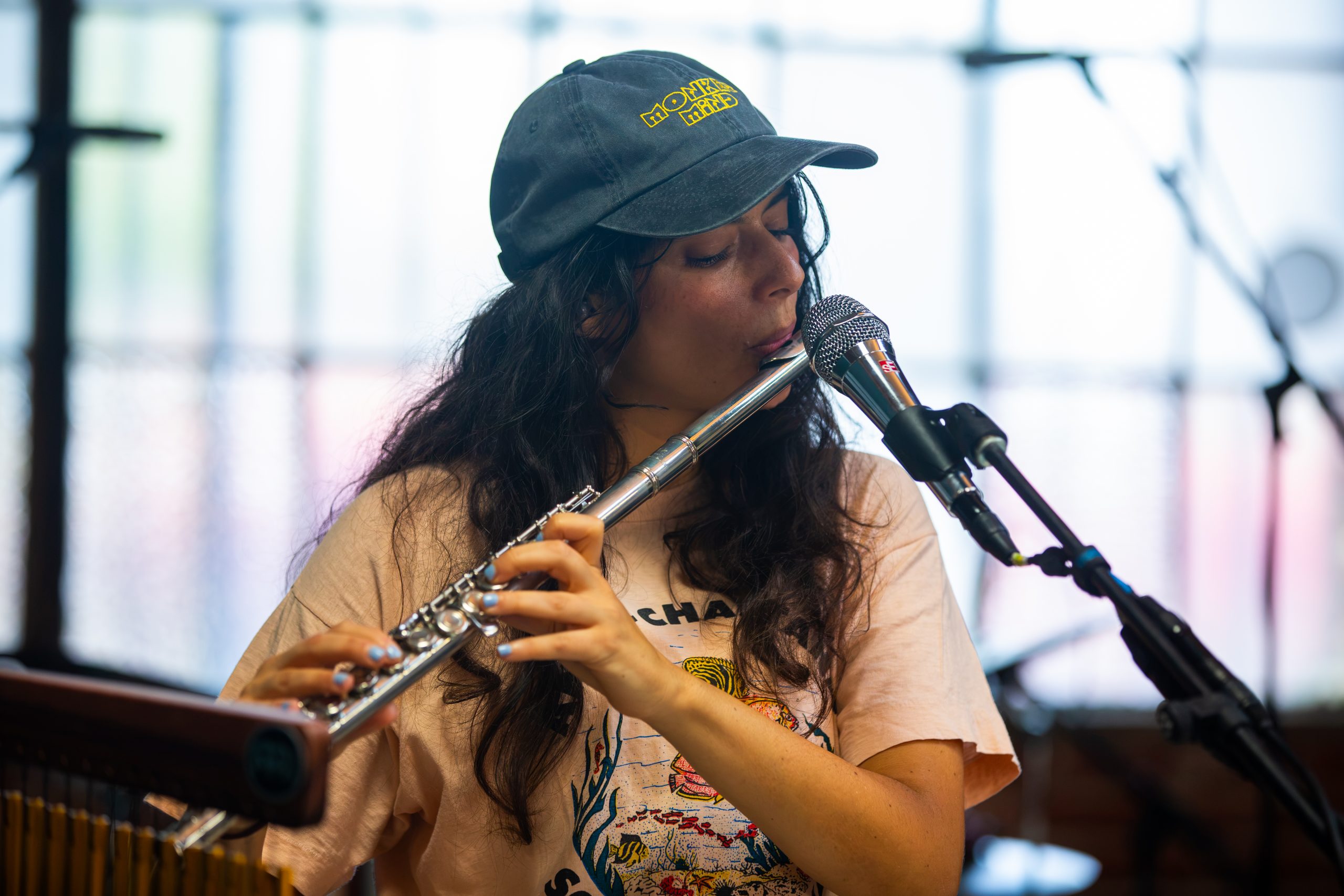
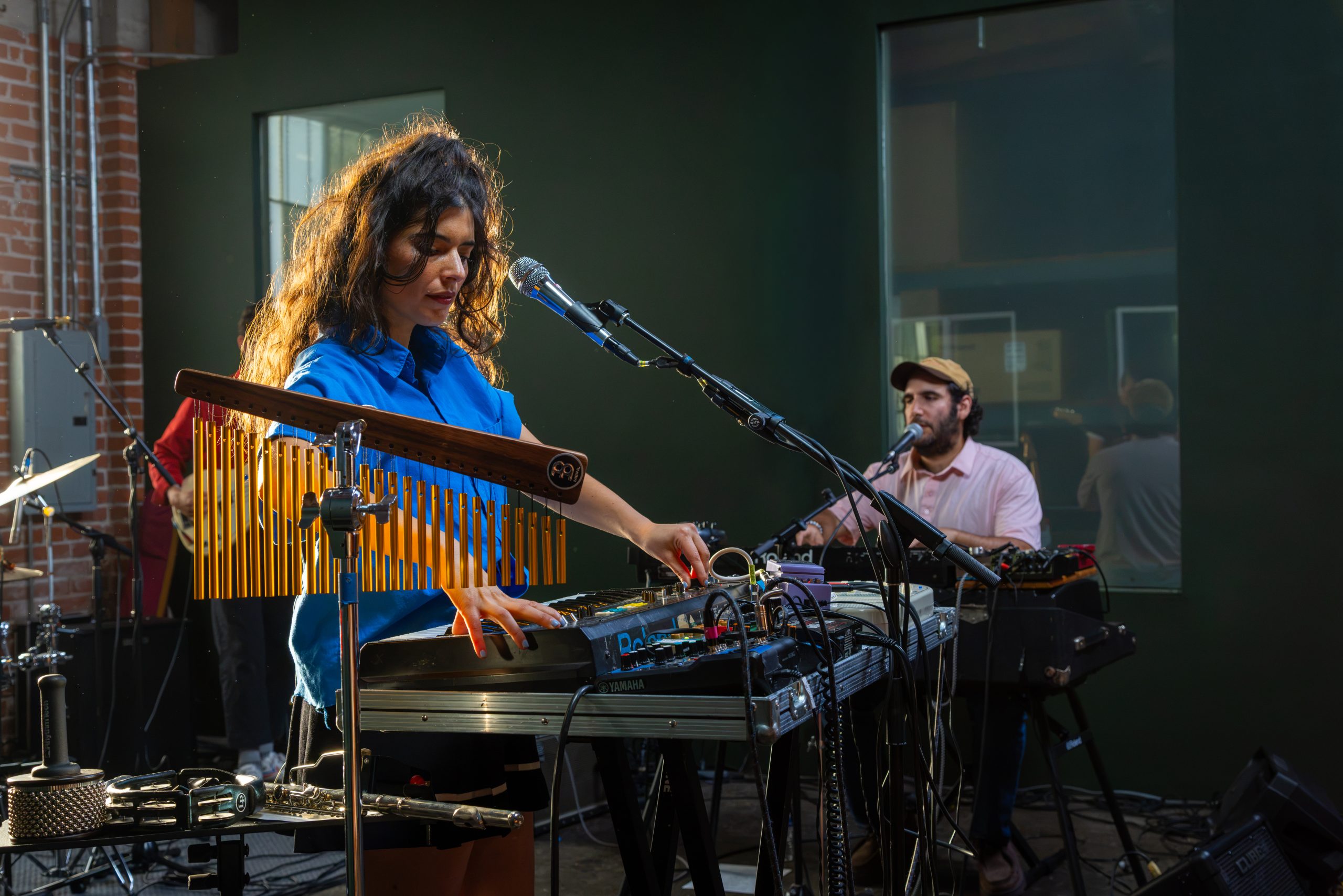
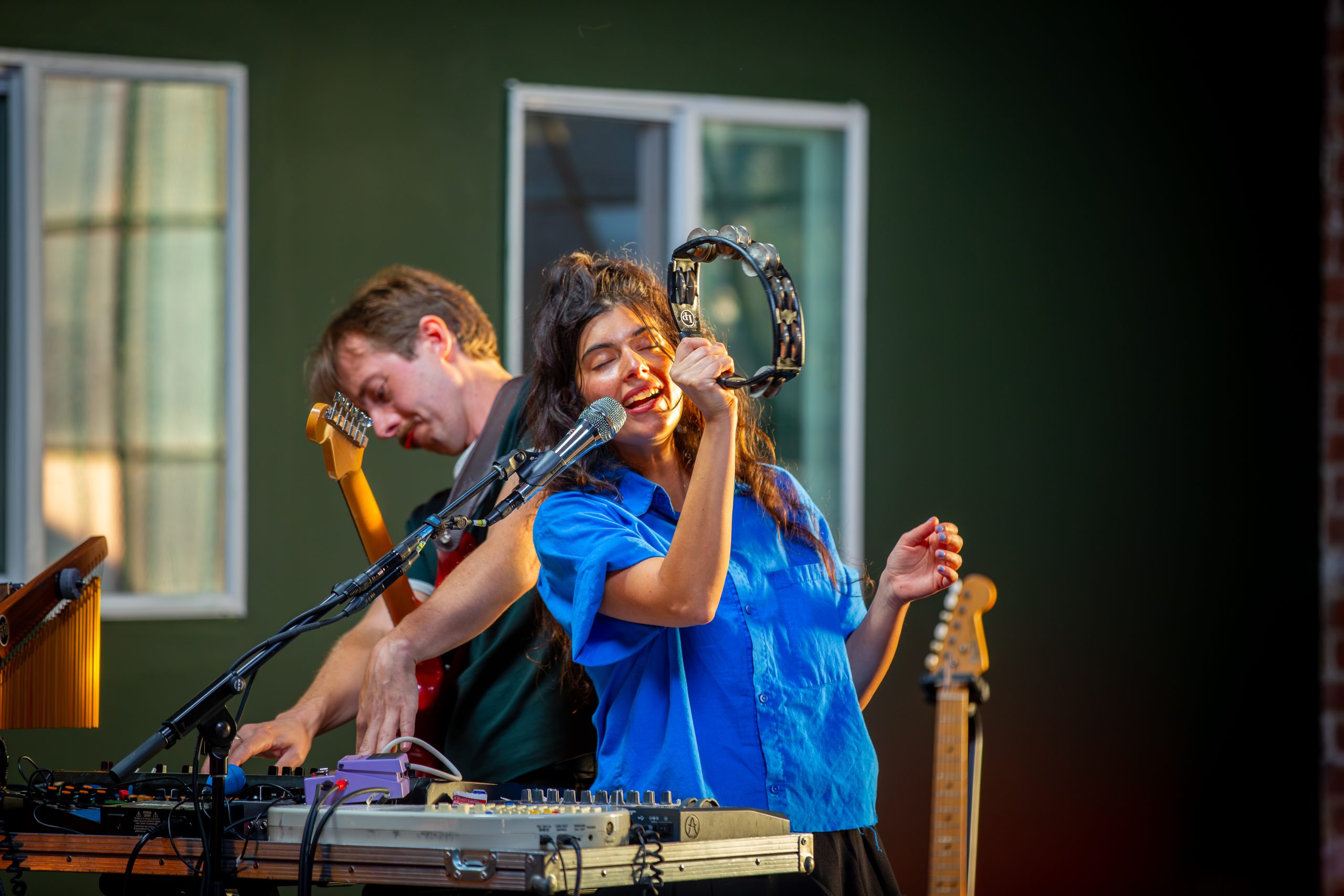
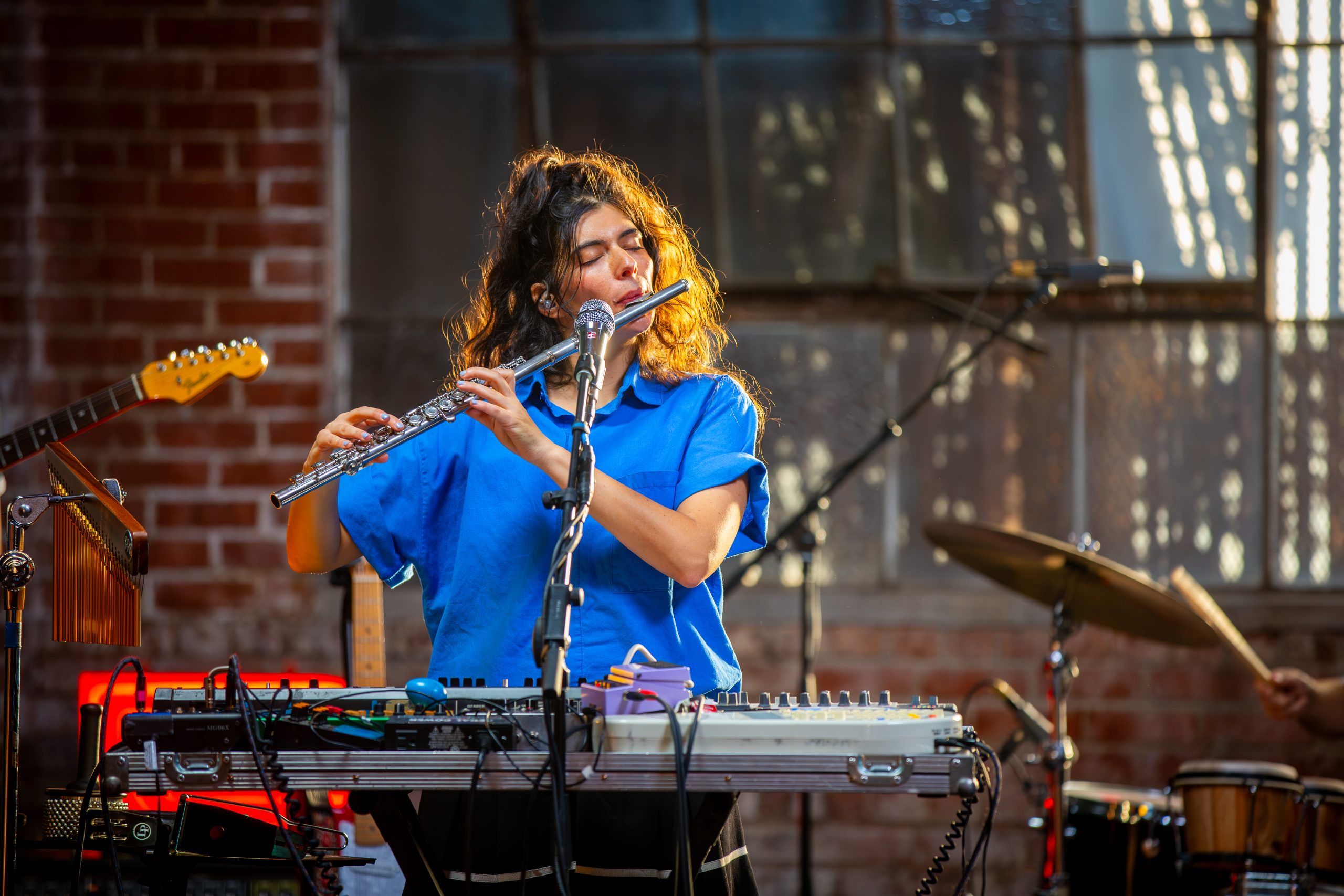
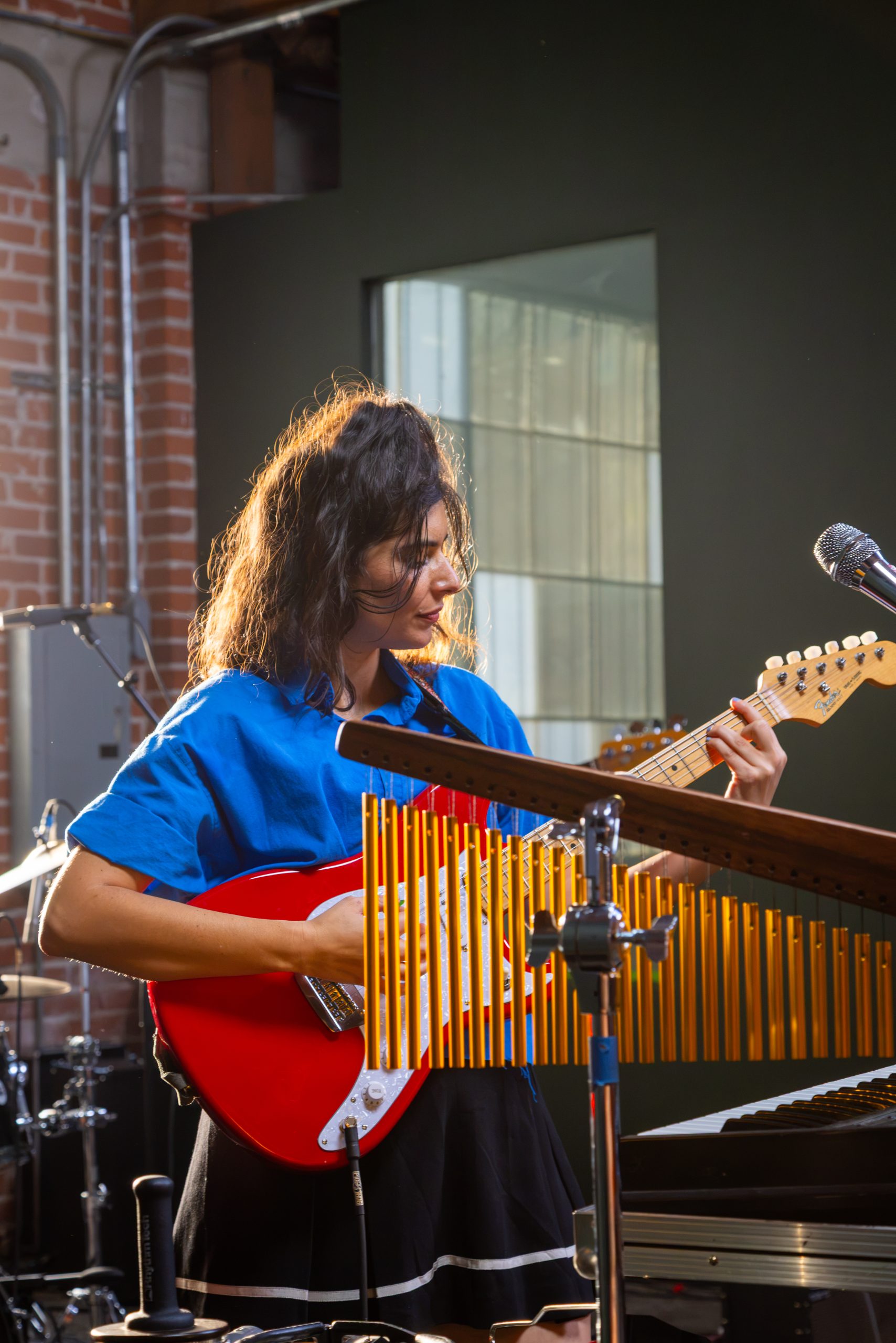
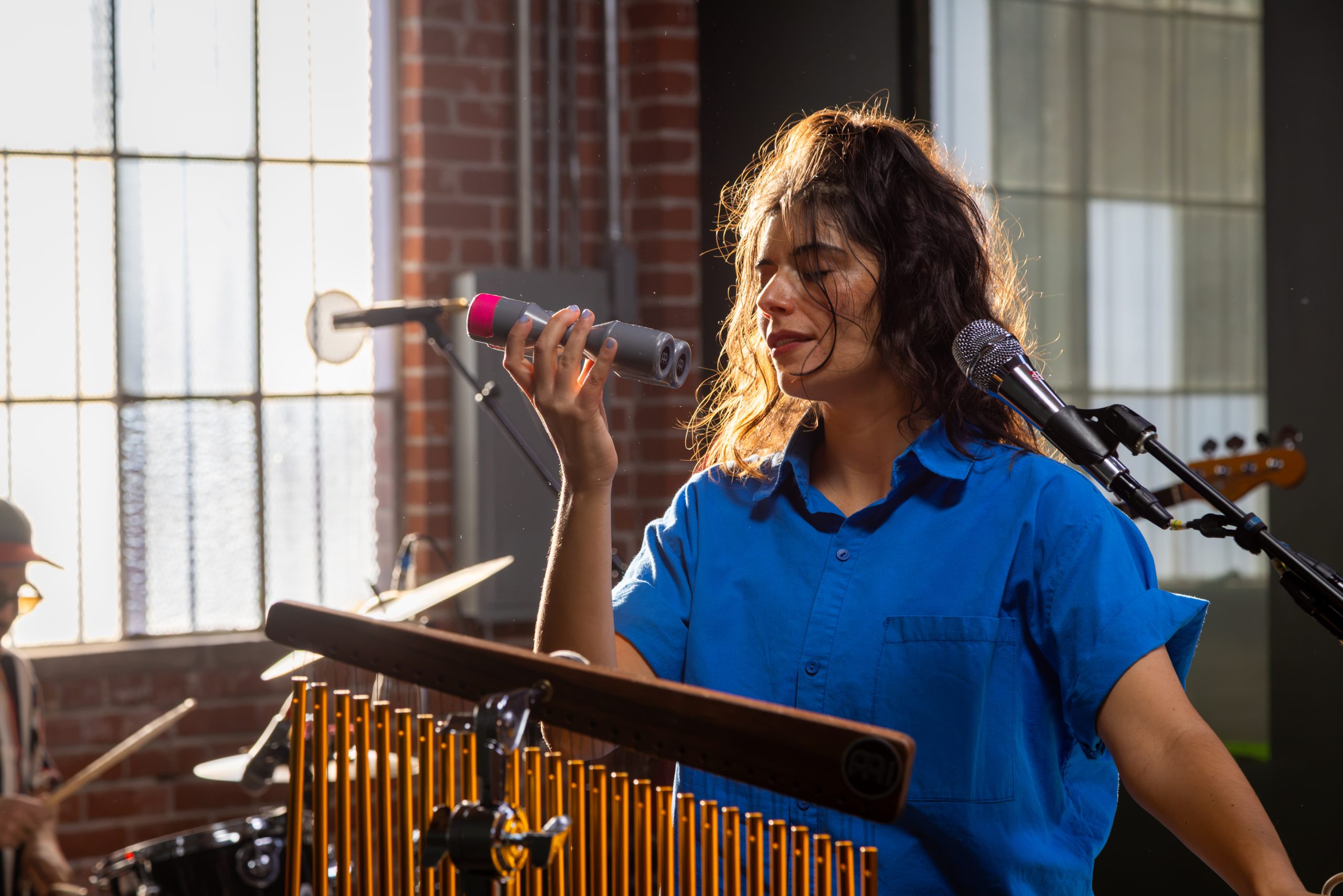
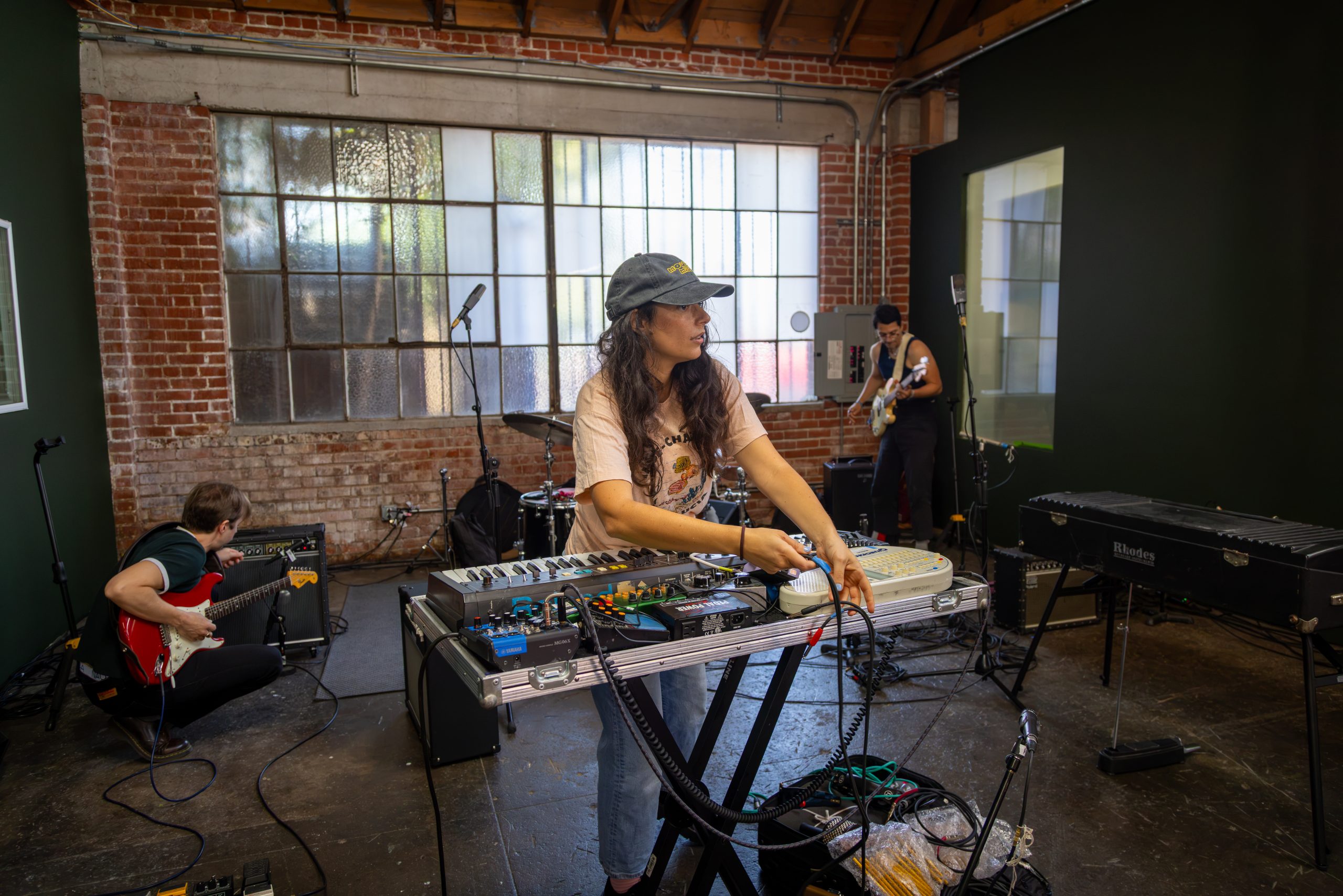
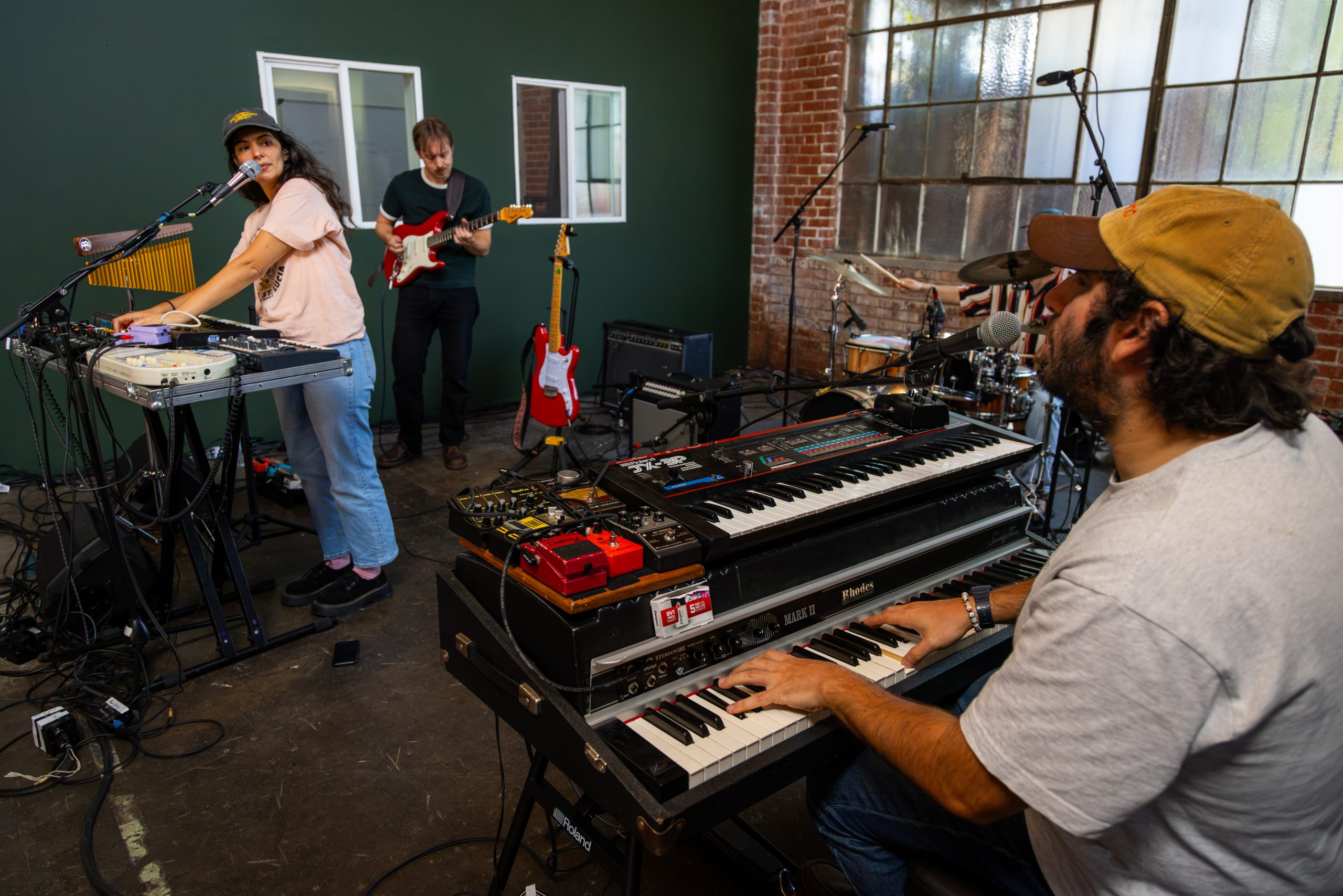
Juju: I sing the melodies in the band, but I also add the sparkles wherever the sparkles need to be, so I play a lot of synths. I play the flute and trumpet, and also have chimes. I have the antennas open for wherever I can fit something.
Jojo: Juliet plays the most instruments on every record.
Did you work out the wind instrument parts?
Juju: It depends. Sometimes it’s just vibe, and sometimes we have written parts and mostly written solos.
Jojo: The flute solo in “Mermaid Parade” you wrote, and then I wrote the harmonized synth, because it’s a double solo thing. Then we wrote the flugelhorn solo and solo return note-for-note.
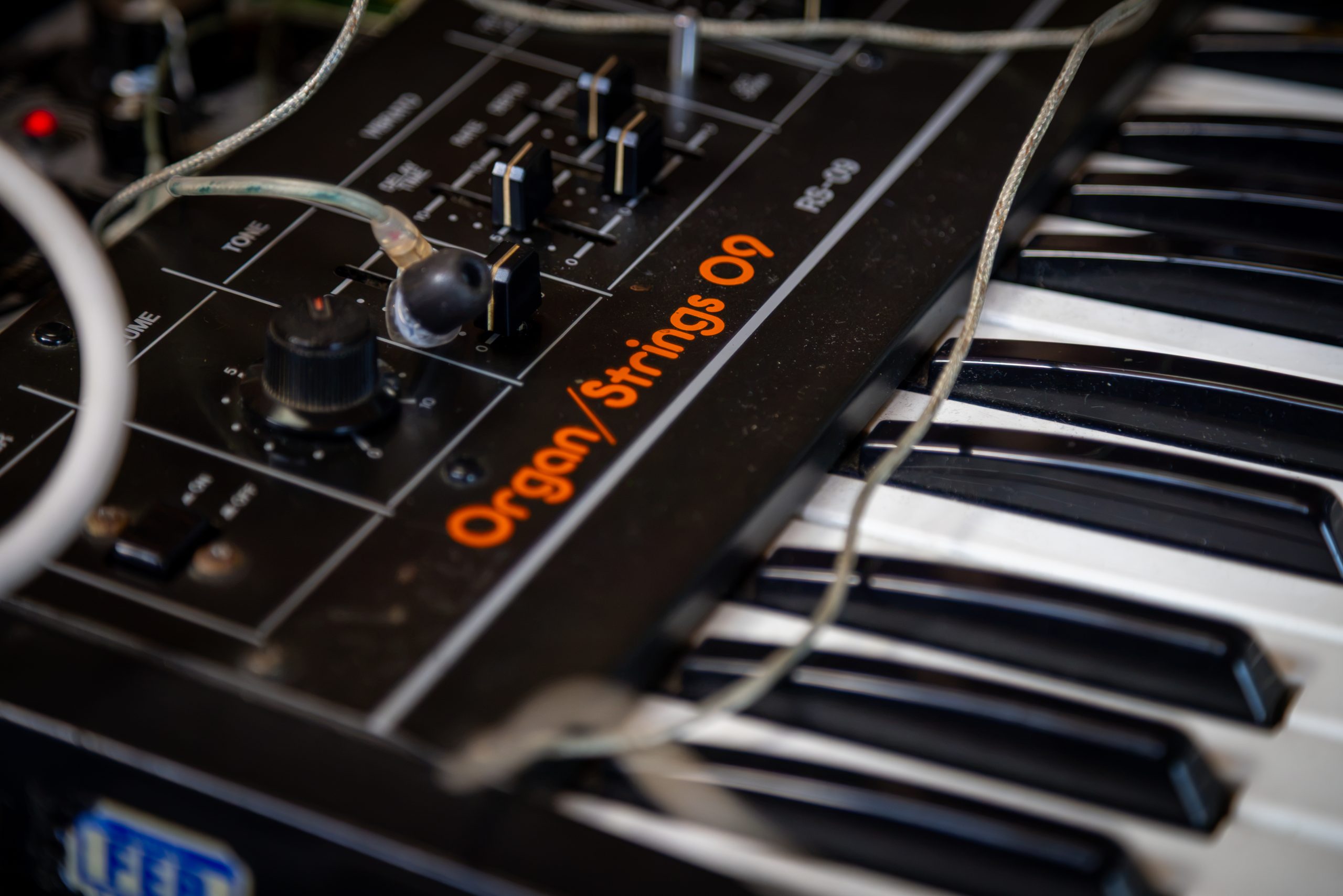
"The RS-09 is the secret weapon of Pearl & the Oysters. It's on
every album."Jojo
Pocket Synthphony
I know you are synthheads. What was in your rig for these sessions?
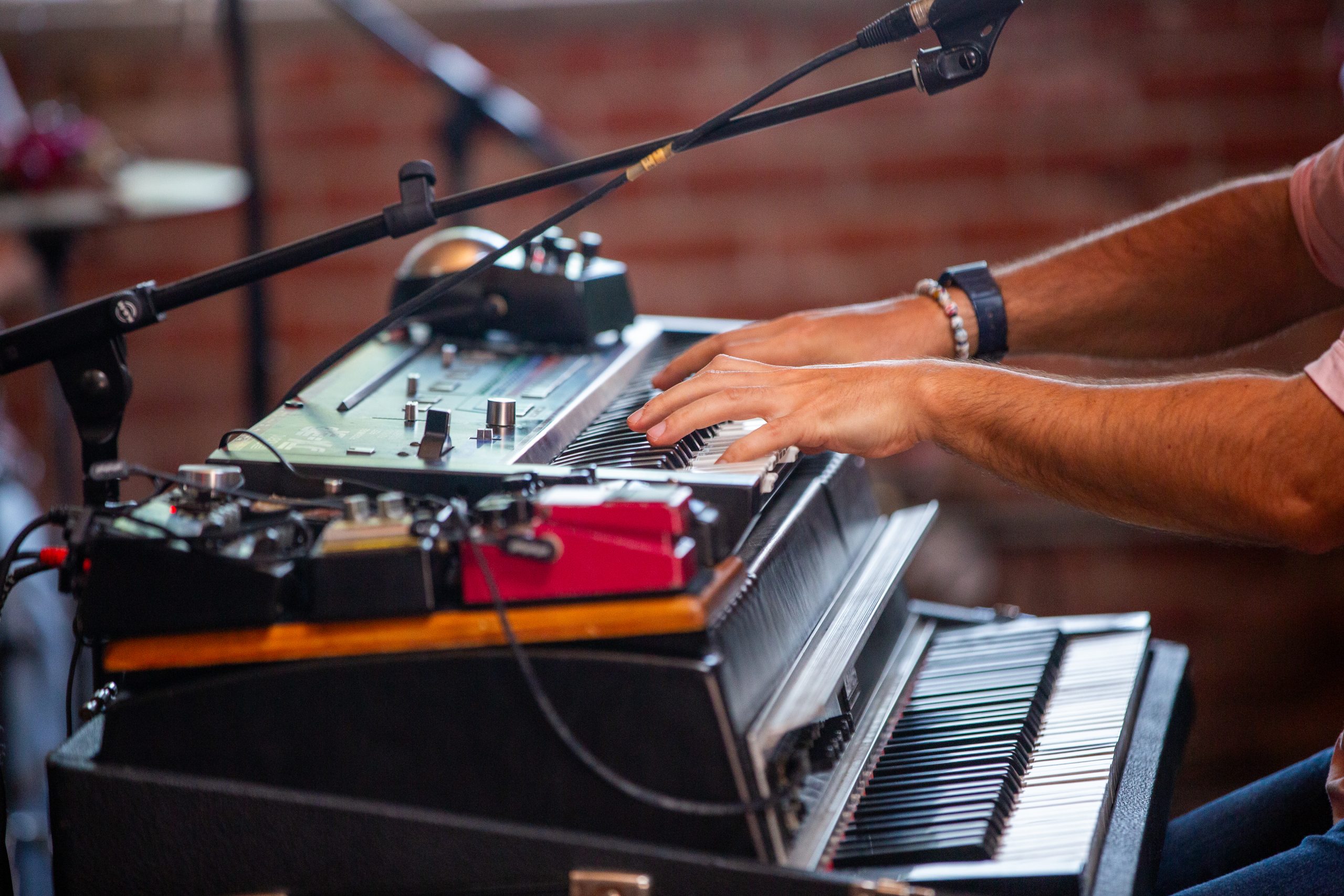
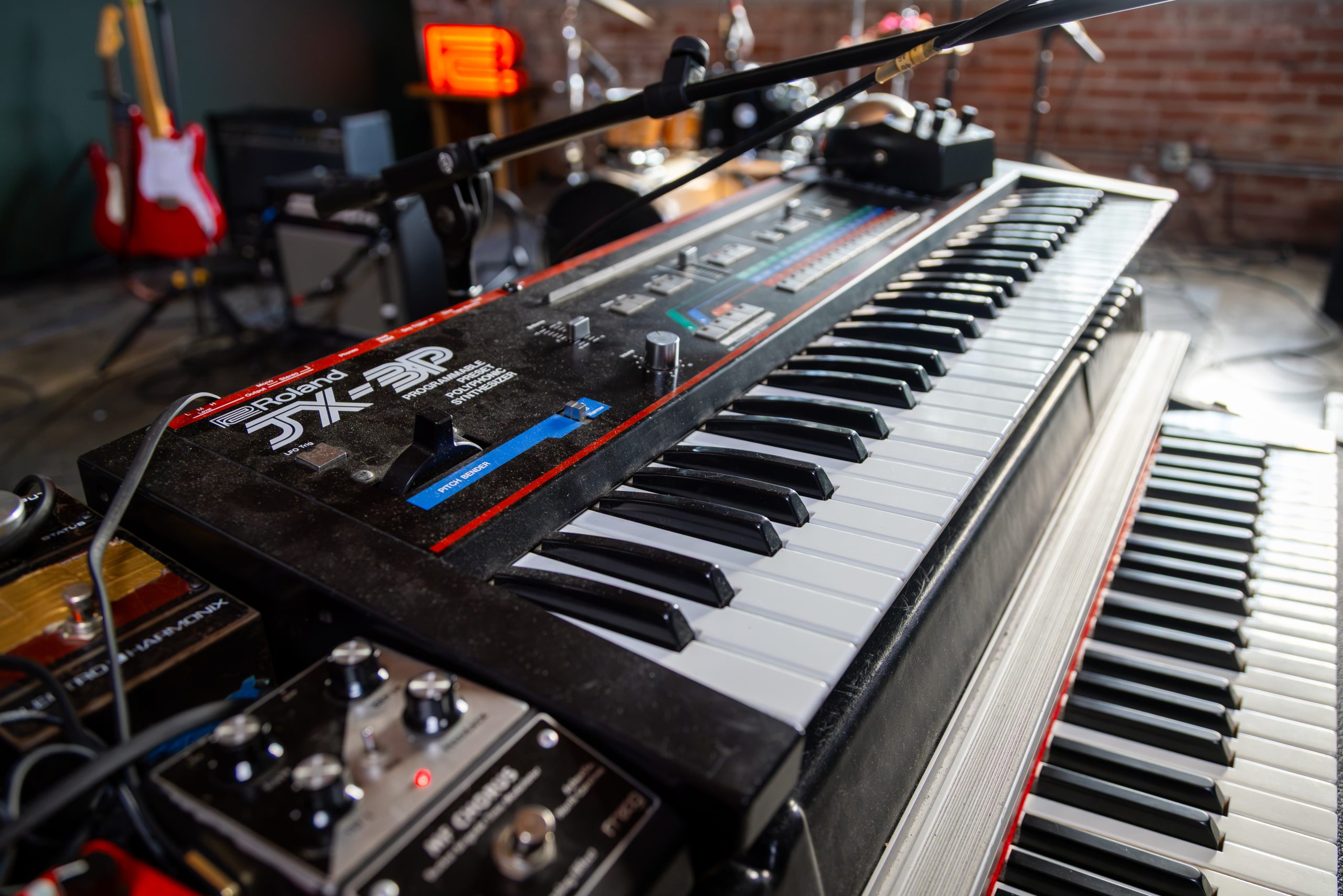
Jojo: As far as synths, we have a JUNO-60 that I’m pretty well-versed in at this point. I know how to get the sound I want. This album wasn’t the synthiest yet, but there were some things that were very precise and needed a JUNO, like the verse on “Mandarin Moon.”
Juju: For “Pocket Symphony,” we use the RS-09 string machine. We tour with it.
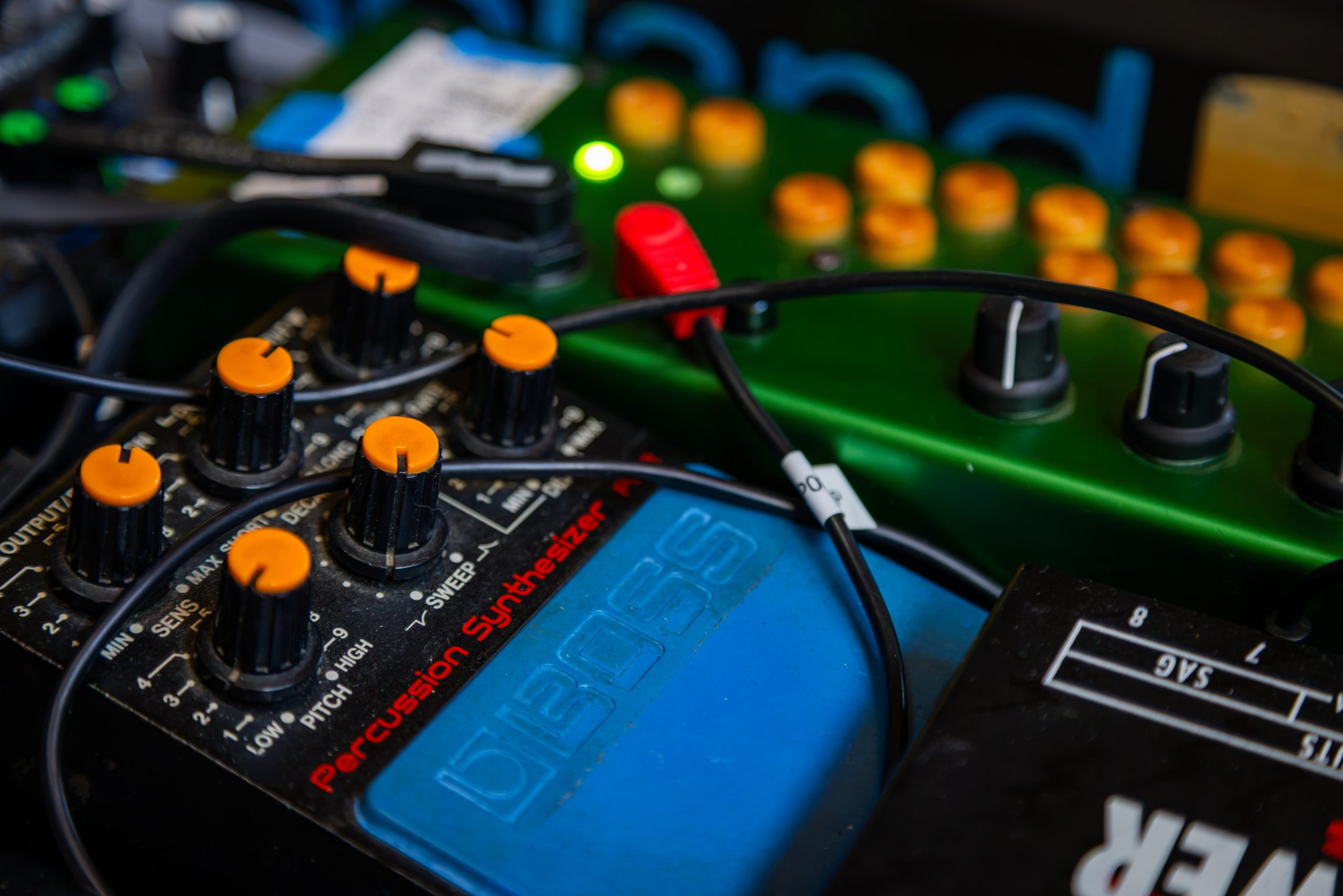
Jojo: The RS-09 is the secret weapon of Pearl & the Oysters. It’s on every album. It’s really unique-sounding, and you can make a lot of stuff with it. Actually, we have this BOSS PC-2 Percussion Synthesizer. It has a little pad on it, and it always makes me think of the first YMO album. You can make it do little electronic toms.
The Human Touch
Do you two collaborate on lyrics and music?
Jojo: I end up writing a lot of it, but you’re very involved.
Juju: Jojo writes the lyrics, but they are about our conversations. Sometimes I share concepts.
You use the phrase Monkey Mind in “Tracy Hills.” Did the song come first or the title?
Jojo: I think the title came first, and once we had the title, we were like, “We need an Easter egg somewhere.”
"We felt this urgency to just be humans and try to transform emotions into art was the most human thing we could do."
Juju
Were there any other sources of lyrical inspiration for this record?
Jojo: Randy Newman is an acquired taste, but as a lyricist, he’s perfect. I think Tom Waits said, “I love when beautiful melodies tell me horrible things.” That’s Randy Newman. Donald Fagen is all about inventing these characters and world-building, but this album is very introspective as we’ve been growing more into as songwriters. We talk about our inner world.
Do you feel the music on Monkey Mind provides a balm because the times are so chaotic?
Jojo: I think it was very much influenced by the fires. Music can provide comfort to other people, and I hope it will. But for us, it was very cathartic, very therapeutic.
Juju: We felt this urgency to just be humans and try to transform emotions into art was the most human thing we could do. I think the further we go from the thing that ties us to our humanity and what humans do best, the best we can do is create things.