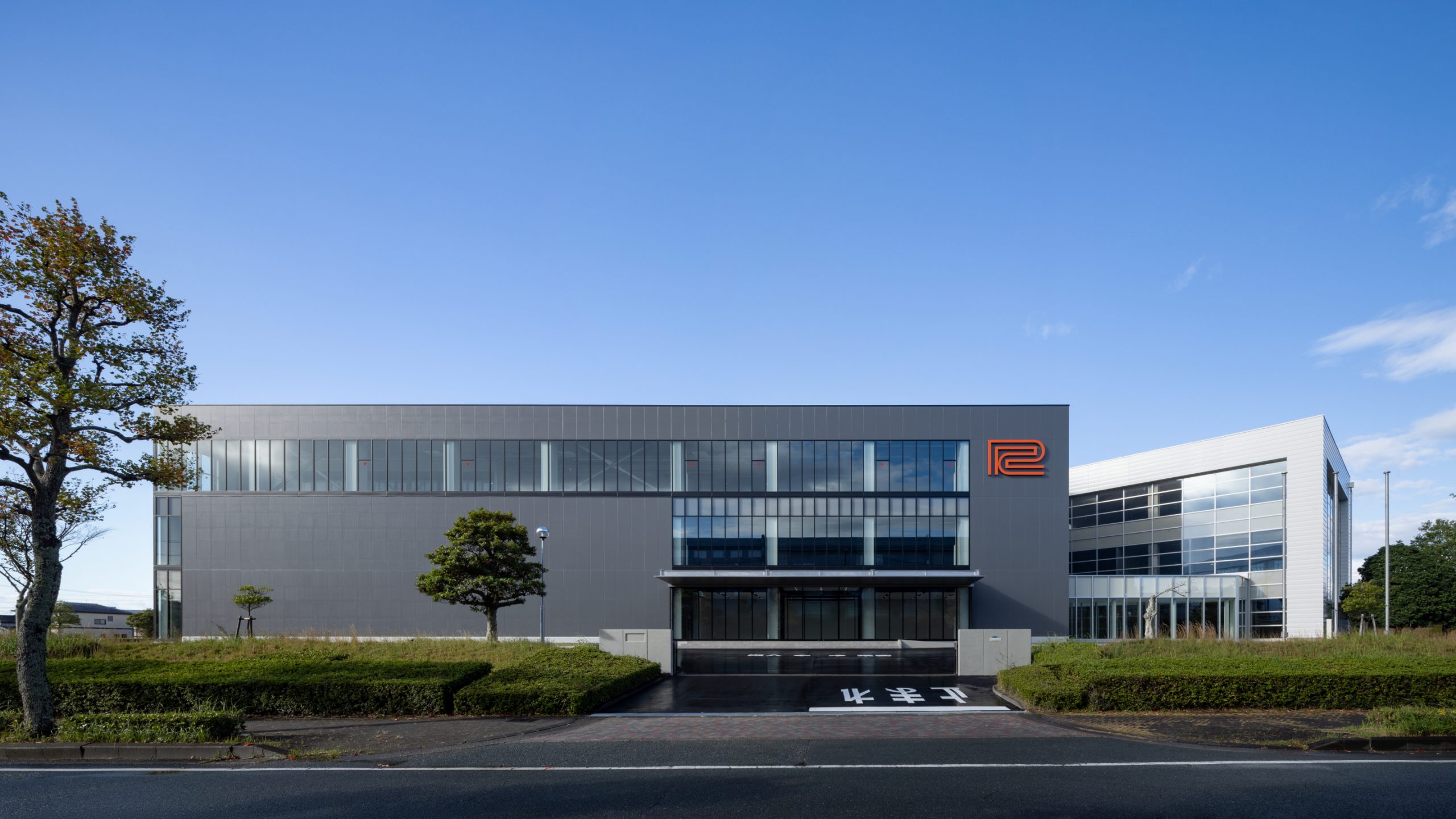
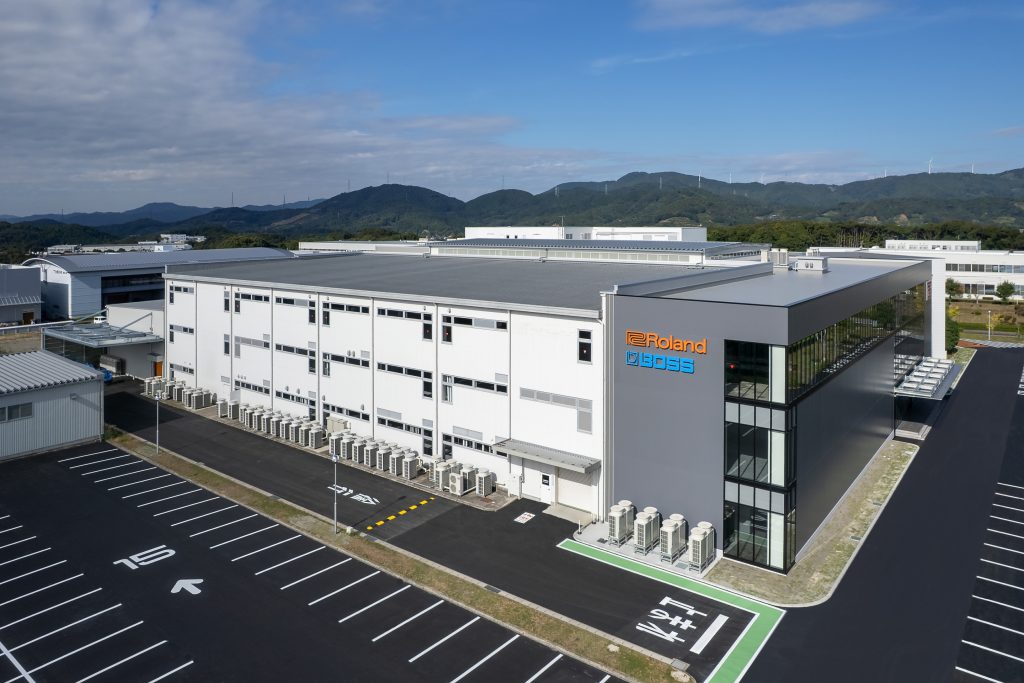
Since 1972, Roland has been designing the future. Yet it’s been doing this in a decidedly atomized way, with various departments such as administration and R&D occupying separate buildings, often separated by miles of roadway. But no longer. On December 10, 2025, the company unveiled the Roland Inspiration Hub, its new global headquarters, with an event showcasing the building’s unique features. More than just a corporate location, however, it will be the starting point for the future, purpose-built with architectural characteristics to help shape and inspire the next generation of Roland products. “This is not just an office,” said director Yasunobu Suzuki in his opening remarks at the event. “It is a base for delivering new musical experiences to the world.”
History in Hamamatsu
The Roland Inspiration Hub is located in Hamamatsu, a seaside town in the Shizuoka Prefecture, central Japan. Those unfamiliar with Japan’s musical instrument industry may be surprised to learn that Roland is not headquartered in Tokyo. While the company does indeed have offices in the nation’s capital, Hamamatsu has been Roland’s home since relocating in 2005 from Osaka, where it was founded in 1972—although its relationship with the city dates back to 1973, when it established its first factory there.
A manufacturing hub since the 1500s, Hamamatsu gained recognition for its musical instrument industry after a string of companies established themselves there in the late 1800s. The city currently hosts almost 10 such companies, as well as a world-class museum with a focus on musical instruments. Given its history and its convenient location between Tokyo and Osaka, Hamamatsu remains the ideal place for Roland’s new global headquarters.
Step Into the Roland Inspiration Hub
Planning for the Roland Inspiration Hub began in earnest in 2022, following Roland’s recognition of the need for a new headquarters. With office buildings spread out across Hamamatsu, and work-style habits in flux due to changes wrought by the pandemic in 2020, updating the company’s environment to better foster innovation became, in the words of Suzuki, an urgent priority: “Against this backdrop,” he remarked in his speech, “we decided to establish a new headquarters here as a new base” for consolidating dispersed departments and functions, and creating innovative products and services.
"We decided to establish a new headquarters here as a new base for consolidating dispersed departments and functions, and creating innovative products and services.”
Yasunobu Suzuki
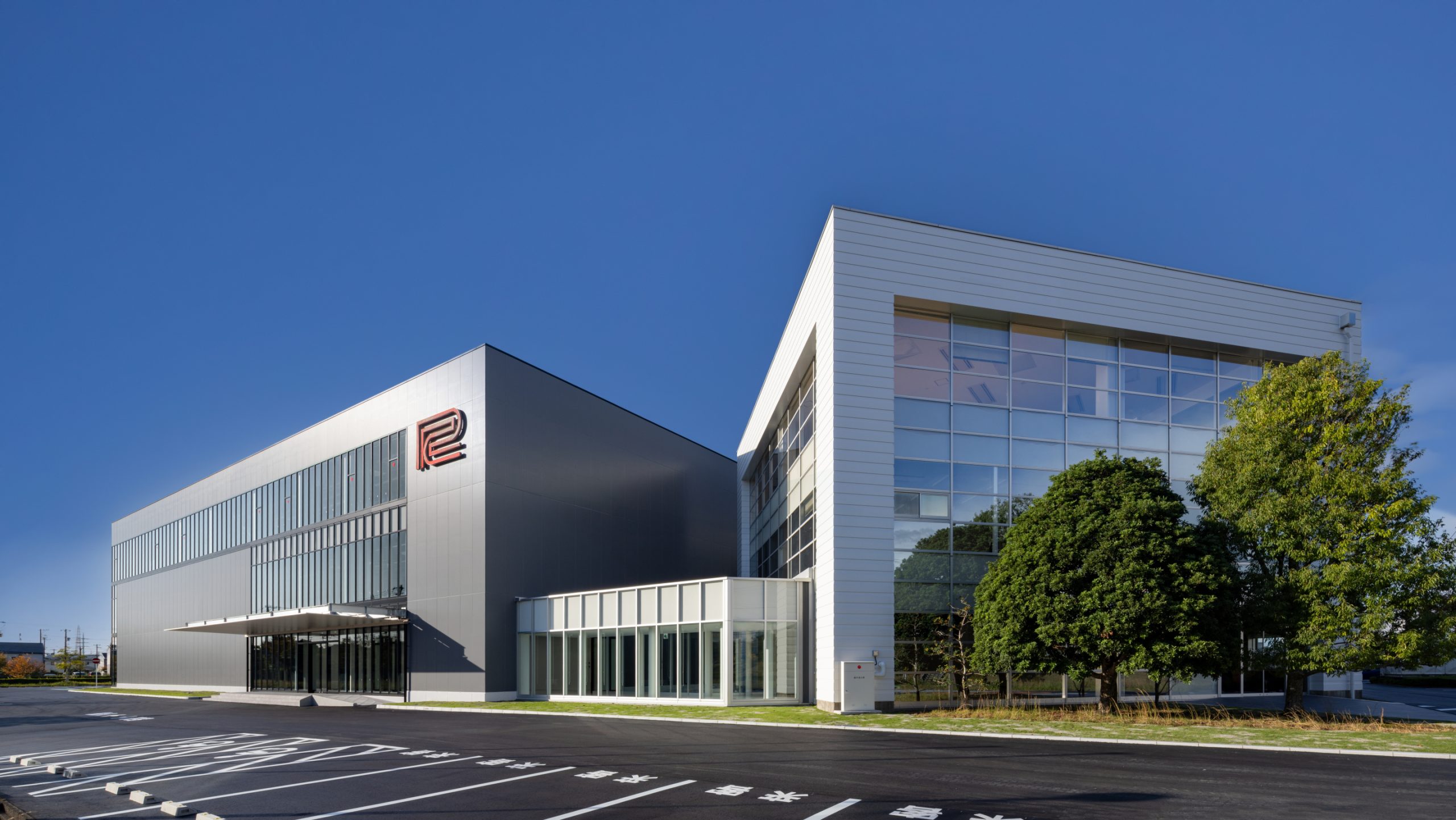
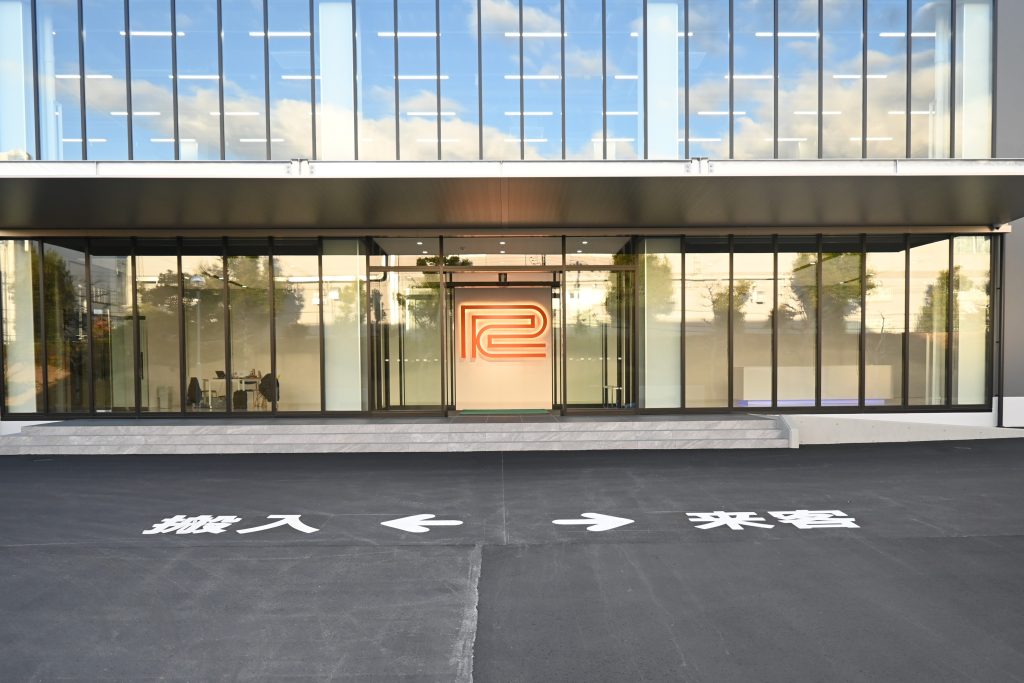
Construction began in 2024 based on designs by architecture firm Mount Fuji Architects Studio, whose portfolio includes a variety of commercial and residential structures. As the new space was to be more than just a typical office building, the design evolved to meet the needs of Roland’s many different employees, from engineers to admin staff, with special sound-proofed rooms located throughout for product testing, some even at the front of the building where visiting musicians and other guests can try out products without having to pass through areas where top secret products might be seen.
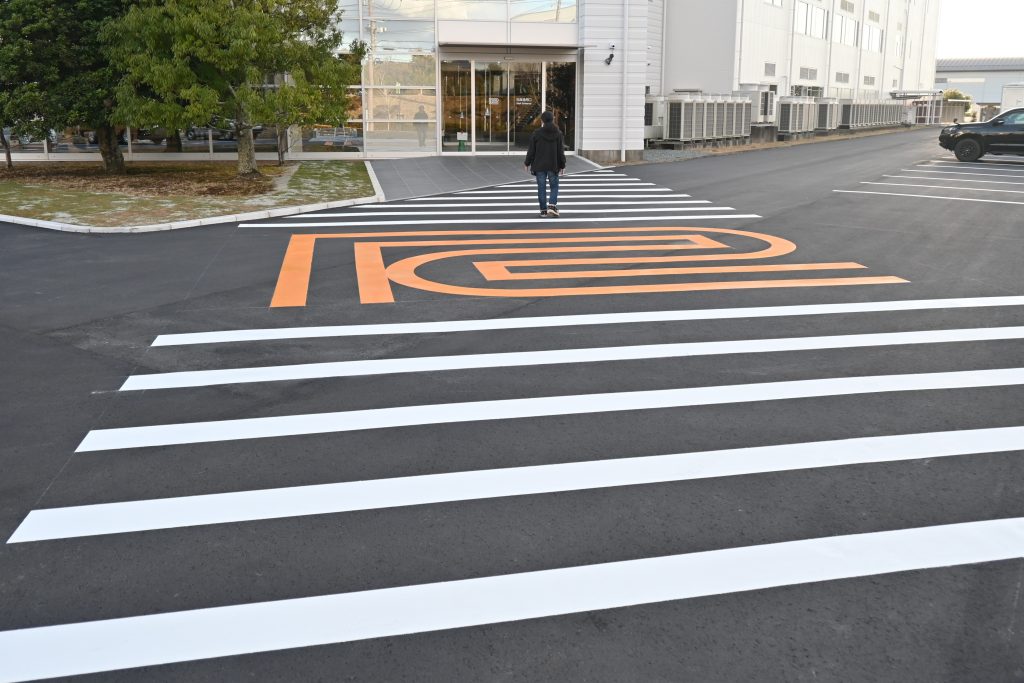
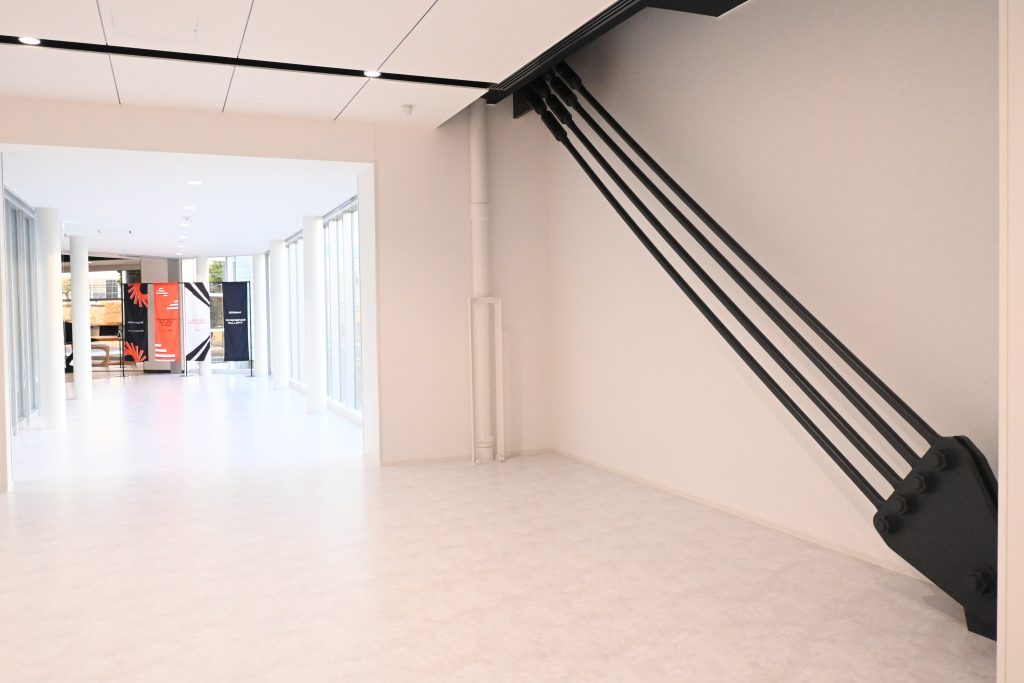
Inspirational touches are everywhere you look, from internal buttresses designed to look like bass guitar strings to the meeting rooms named after legendary Roland instruments. Even the arrows painted on the ground in the parking lot bear the same design as the ones indicating signal flow on BOSS pedals.
Said Suzuki: “We named this new headquarters the Roland Inspiration Hub. True to its name, it is the starting point for inspiration and ideas, a place where the diverse skills, cultures, and perspectives of each employee intersect, stimulating one another to create innovation.”
"It is the starting point for inspiration and ideas, a place where the diverse skills, cultures, and perspectives of each employee intersect, stimulating one another to create innovation."
Yasunobu Suzuki
Sustainability From the Ground Up
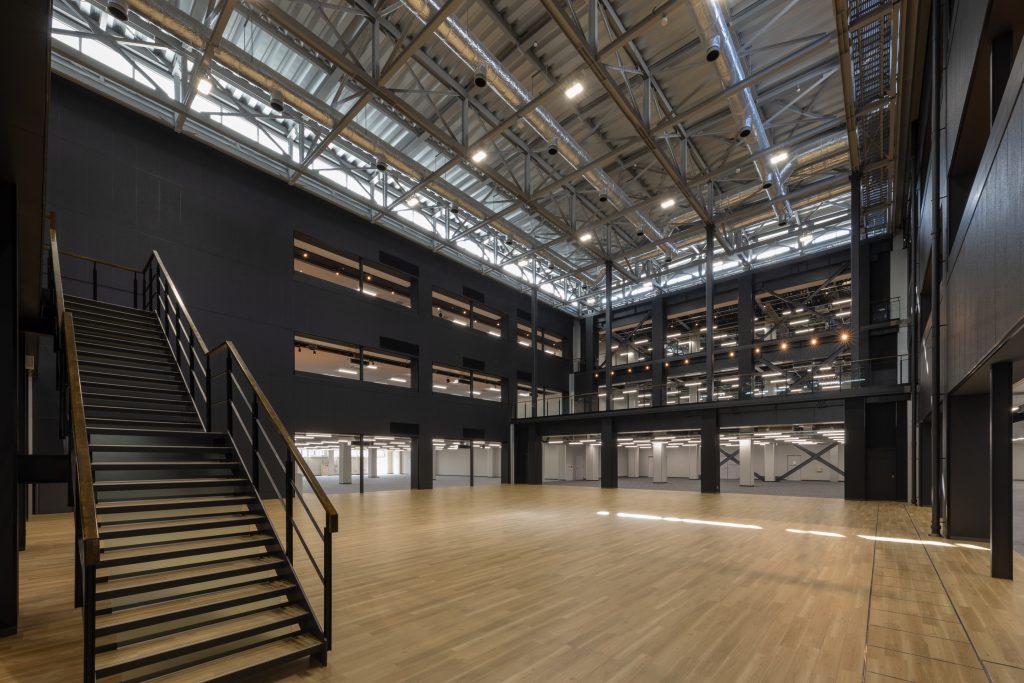
Uniquely, the building that houses Roland Inspiration Hub is actually a new composite created by combining two previously existing structures. The new design incorporates the older buildings into a three-story complex, uniting them under a single roof—much like the company is doing with its various internal departments.
This is more than just a clever metaphor, however. Reusing existing materials aligns with Roland’s stated goals of sustainability. The Hub reuses two existing buildings, along with their air-conditioning and lighting systems, to minimize resource use and reduce environmental impact.
Enter the Roland Arena
The centerpiece—literally as well as figuratively—of the building is the Roland Arena. Built in the former space between the two old buildings, it’s an airy and open atrium visible from all three floors, and designed to be used not only for company meetings but also for musical performances. As big as two tennis courts, it’s here that the ambient natural light filters through, creating a luminous and inviting space for new ideas to be shared.
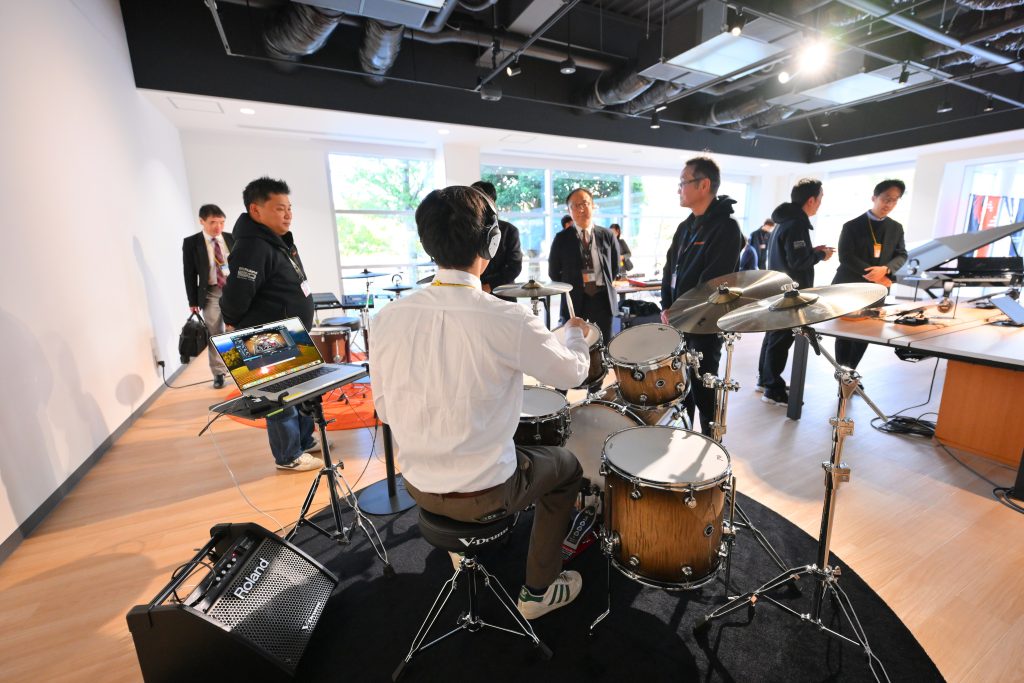
Along with space for events and meetings, the Roland Arena will also feature a station with Roland musical instruments, set up and ready to play whenever the need strikes. Whether that be an engineer wanting to compare the sound or feel of a new product in development with one already available, or someone just needing to refresh themselves by noodling on a keyboard for a few minutes between meetings, that will always be possible.
"Along with space for events and meetings, the Roland Arena will also feature a station with Roland musical instruments, set up and ready to play whenever the need strikes."
No Walls, No Barriers
Surrounding the Roland Arena is the aptly named Roland Circuit, a wall-less corridor that runs the circumference of the railing overlooking the Arena. Surrounding the Circuit, then, will be the work areas, unique because they have no walls. Completely open, the three floors will accommodate all employees and their desks, enabling free and easy communication between teams and departments, as well as flexible layout changes to meet day-to-day needs.
Of the 600 or so employees working at the new headquarters, “two-thirds are developers,” noted Suzuki. The new space has been designed for them with inspiration and comfort in mind.
Floors one and two will house the research and development departments, including—for the first time—BOSS, whose members were previously in a separate location. Perfectly fulfilling the goal of One Roland, it will bring together the two groups, and just in time, with recent crossover products like the PX-1 Plugout FX pedal duly demonstrating this need.
Engineers also need a space to test products, sometimes at high volume. Accordingly, the building features eight special soundproofed rooms for just this use. Numbered 01 to 08 with images of synthesizer waveforms emblazoned across the doors, they originally were to have the names of the waveforms printed as well, but older engineers decided that unlabeled graphic representations would make a great opportunity to test the junior engineers. Woe to the newbie who forgets what a Super Saw looks like!
Of course, you can’t work all of the time, and with this in mind, the headquarters also includes areas to relax. Up on the third floor, there’s a large and spacious employee lounge that looks more like a cafe than your typical break room, as well as a company cafeteria. There’s even a convenience store. It is Japan, after all.
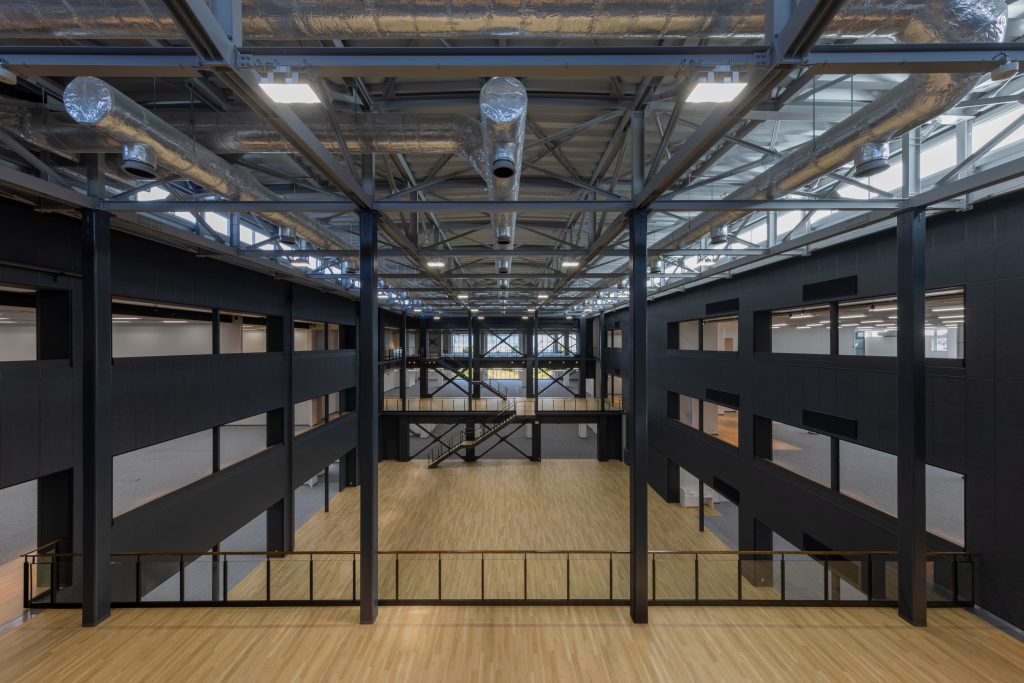
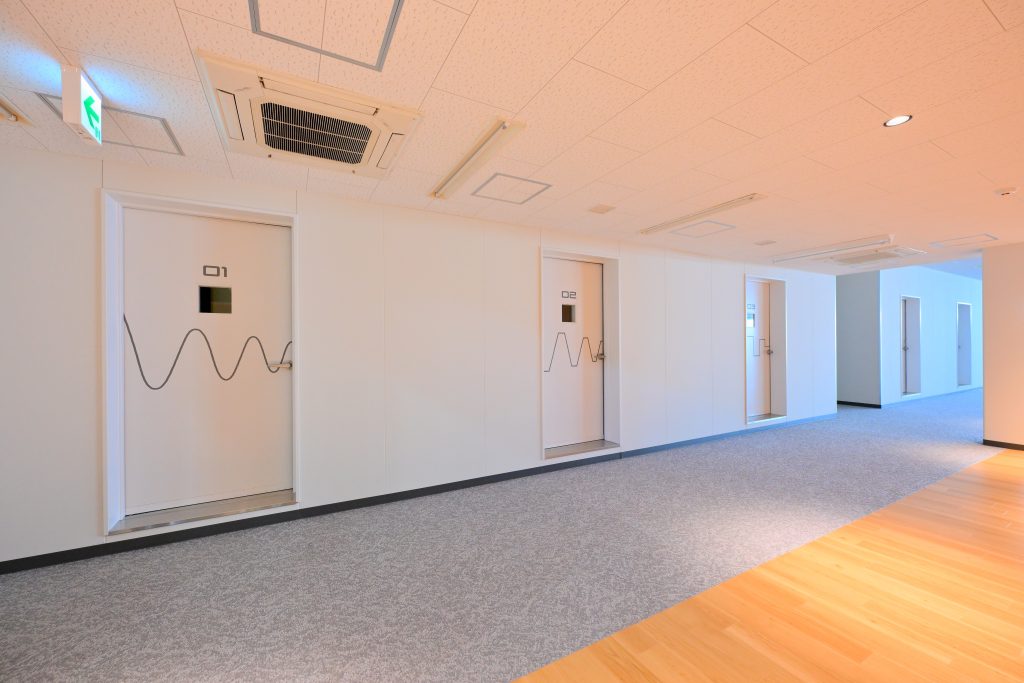
"Completely open, the three floors will accommodate all employees and their desks, enabling free and easy communication between teams and departments."
Experience the Future
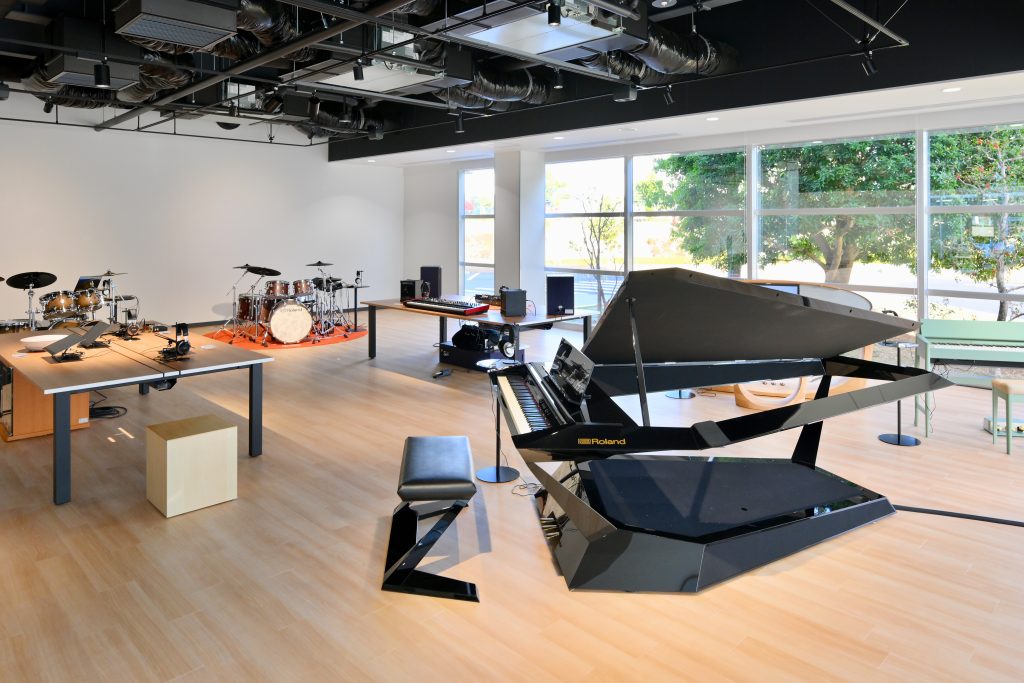
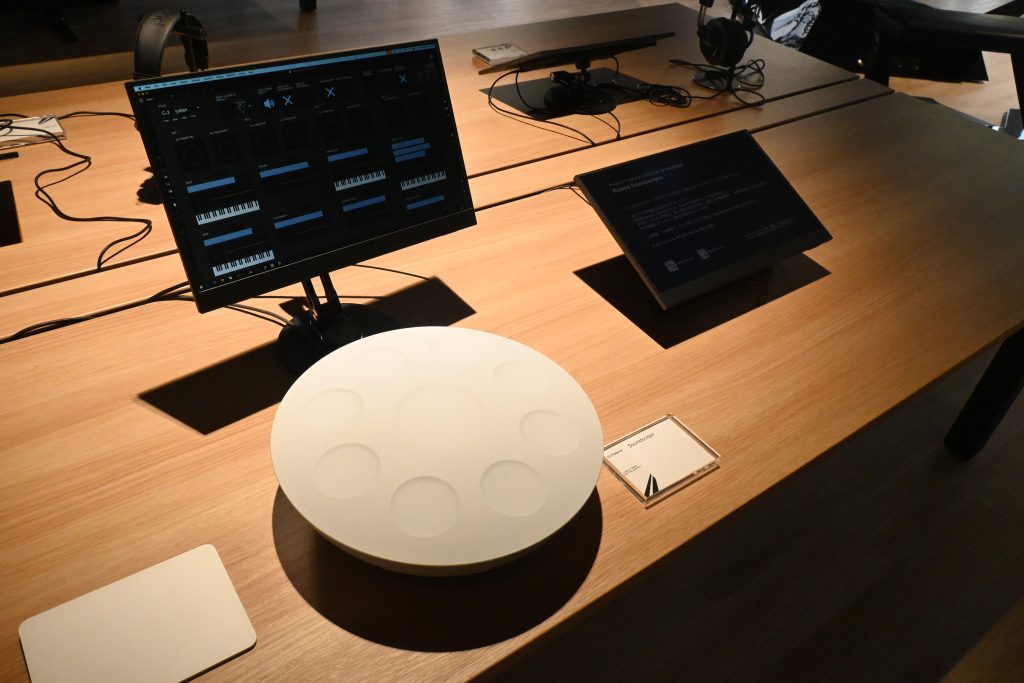
Roland’s long-standing goal is to design the future. Nowhere is that more apparent than in the Roland Experience Gallery, an on-site exhibition space for displaying Roland’s most cutting-edge products. Along with the latest from Roland Cloud and other next-generation instruments, it presents prototype products from the Roland Future Design Lab, such as the most recent Project LYDIA, which features AI-powered sound transformation software housed in a robust pedal enclosure.
More than just a showroom for instruments and tech, however, the very environment of the Roland Experience Gallery is part of the exhibition. As you move through the exhibit, the music playing over the speakers changes. That’s because it’s not just pre-recorded sound but an AI-involved ambient experience called Roland Soundscapes.
Made in collaboration with the company Qosmo and electronic music artist Sakura Tsuruta, the sounds—created entirely on Roland Cloud instruments—and composition change in response to the movements of visitors (via infrared sensors, no less), MIDI input, the time of day, and even the weather outside, generating an organic and fleeting piece of music that will only ever exist once. Remarkable, and indicative of what Roland is trying to achieve with its new building: a home base for the company to create the next generation of instruments and products.
“At our new headquarters,” summed up Suzuki, “we will maximize the passion and creativity for instrument-making that each Roland employee possesses. We will deliver next-generation products and services, along with new musical experiences that fuse music and technology, to the world.”
Roland Inspiration Hub will have its grand opening on March 2, 2026.