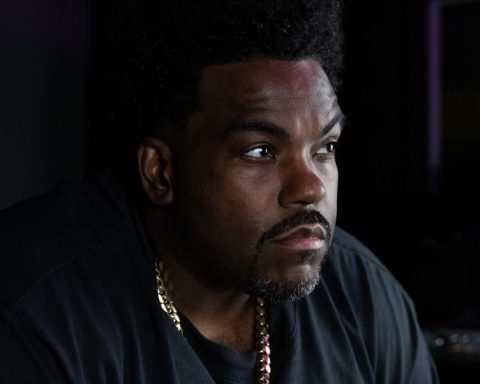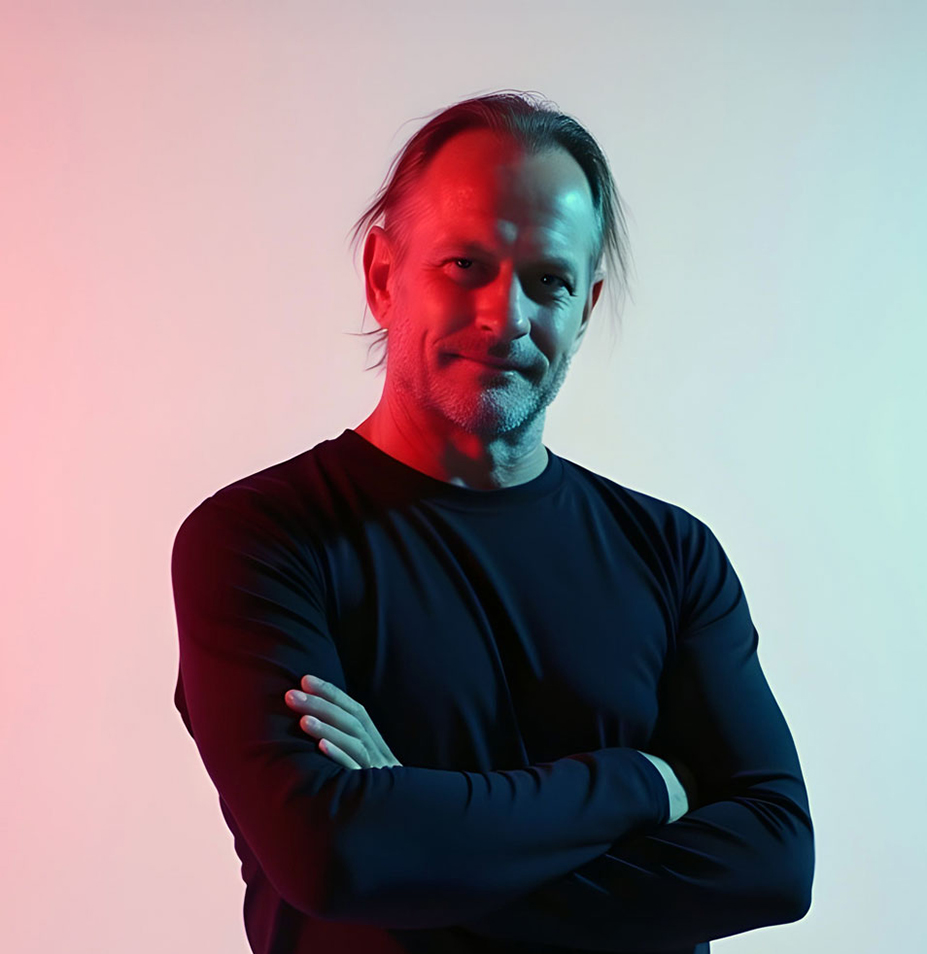


Like so many artists and musicians during the global pandemic, Dan Nebe of Queensland, Australia, found himself at a crossroads when the world shut down in 2020. He was decades into a successful career as a guitar tech and tour manager. Yet from the crisis emerged an opportunity. An unexpected job working with a friend’s child opened Nebe’s eyes to the healing power of sound, inspiring a journey to bring customized music education to underserved populations.
Drawing on his extensive talent network, Nebe assembled a team of educators to meet the growing needs of the moment, and Team Musicare was born. Since then, the organization has continued to expand its footprint, serving an ever-growing number of clients across ages and backgrounds, providing “inclusive, real-world creative arts experiences to participants with disabilities.”
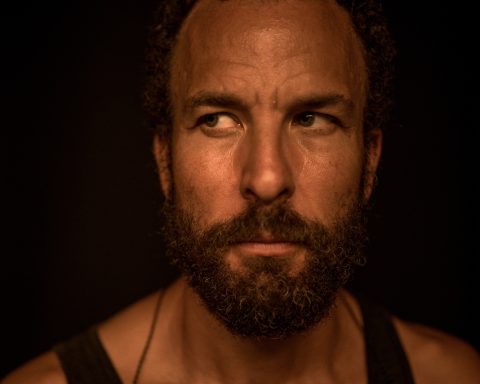
Speaking from his home near the beach, Nebe is a classic rock and roll mystic with bleached surfer locks and a way with a spiritual homily. Occasionally moved to tears during the conversation, he is clearly humbled by the continued impact of Team Musicare as he shares the story of his meaningful enterprise.
Finding the Need
Tell us the story of how you transitioned into this work from your longtime touring life.
Honestly, it was unintentional. COVID threw a spanner in the works for everyone. At the time, I was tour managing; I’d just come off the Robert Cray tour and was working with the Hoodoo Gurus and other bands. I was also a guitar tech and doing merch sales for festivals. When COVID hit, all those income streams dried up overnight.
Three months in, a local woman called and asked if I could spend three hours a week with her son, who has autism. I had a tiny studio under a friend’s house, so I agreed. That experience opened my eyes. I’d seen music programs for people with disabilities before, but they were using toy instruments—stuff you’d buy at Kmart. Coming from the music industry, I thought: Why not bring real technology and pro-level gear to this space? Within six months, I had a year-long waiting list for this unique program.
That’s incredible. Clearly, the need was there.
Absolutely. I lost friends during that period who lost everything, so I feel fortunate to have found this calling. At first, I worked with borrowed gear: an acoustic DW kit, a GT-1000, my Strat, a JCM800. But I realized I needed technology. I bought a Roland Octapad SPD-30, which was a game changer.
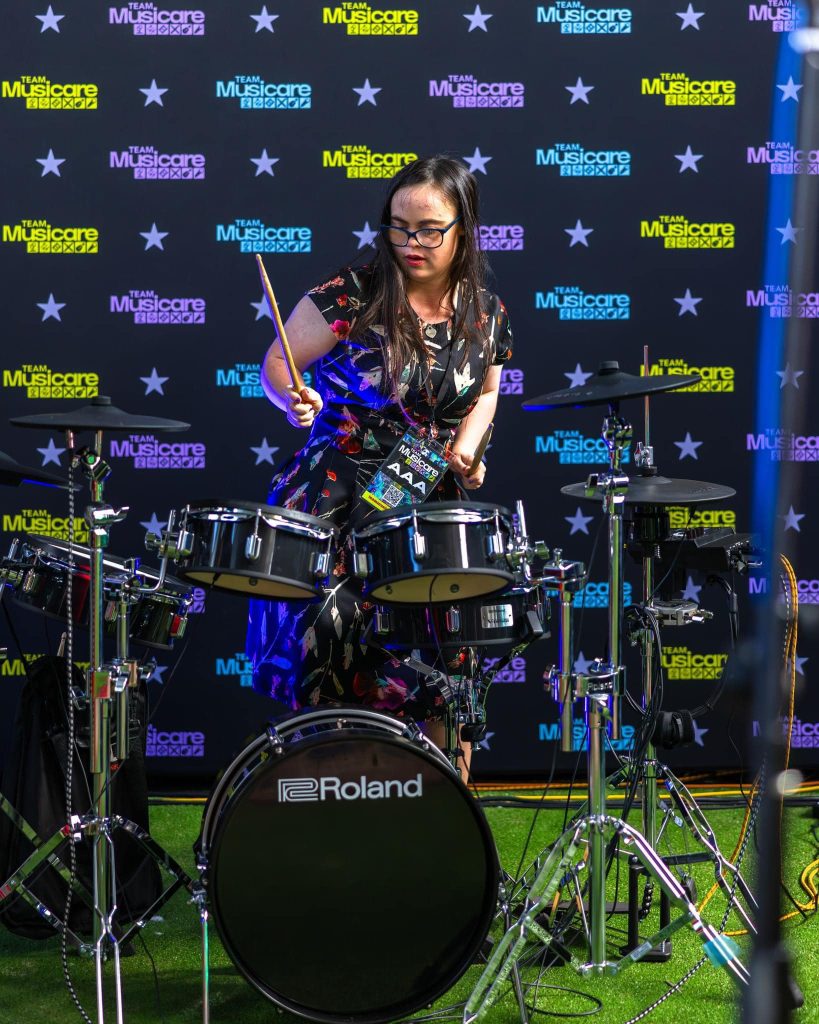
Digital gear lets you adjust sensitivity and parameters, making it accessible for people with limited movement or sensory sensitivities. Eventually, I leased a Roland V-Drums kit and phased out acoustic drums because loud kick sounds were overwhelming for some clients.
"Digital gear lets you adjust sensitivity and parameters, making it accessible for people with limited movement or sensory sensitivities."
Growing a Program
And now you’ve scaled up?
Big time. I leased a warehouse and built a proper facility. Today, we see up to 200 clients a week and have 20 staff. They’re all industry professionals: session players, performers, teachers. We’ve brought the music industry into a sector that never had access to it.
Were you able to hire musicians who were off the road during COVID?
Yes, and that was key. The disability sector has high turnover, so I offered stability: regular hours, security, and meaningful work. Many of my team came off the road and now say this is the most rewarding job they’ve ever had.
"Many of my team came off the road and now say this is the most rewarding job they’ve ever had."

The Power of Purpose
Any moments that really confirmed you were in the right place?
So many. One that stands out: A young man with terminal cancer came to us with three months to live. His wish was to record an album and release it on YouTube before he passed. We rallied as a team, recorded and mixed his songs, and uploaded them. He spent his last days listening to his own music in a Team Musicare shirt. That was powerful.
Wow. That’s beautiful. What other innovations have you introduced?
We use podcasting to help non-verbal clients make sounds and interact. We also create immersive experiences, so if someone loves Bluey or The Wiggles, we’ll green-screen those characters into their session. Parents fill out a questionnaire so we can tailor the environment with favorite music, snacks, and visuals, so clients feel safe and excited.
"Parents fill out a questionnaire so we can tailor the environment with favorite music, snacks, and visuals, so clients feel safe and excited."
And your clients range from kids to adults?
Yes, ages 4 to 60+. About 15% are youth; the rest are adults. We also work with government programs like NDIS and Youth Justice. Our new initiative, Project Olympus, aims to train at-risk youth for roles in the music and events industry leading up to the 2032 Brisbane Olympics. It’s personal for me. I was in youth detention at 14, and music turned my life around. Now I want to give others that same chance.
Opening Doors with Technology
That’s inspiring. How did Roland come into the picture?
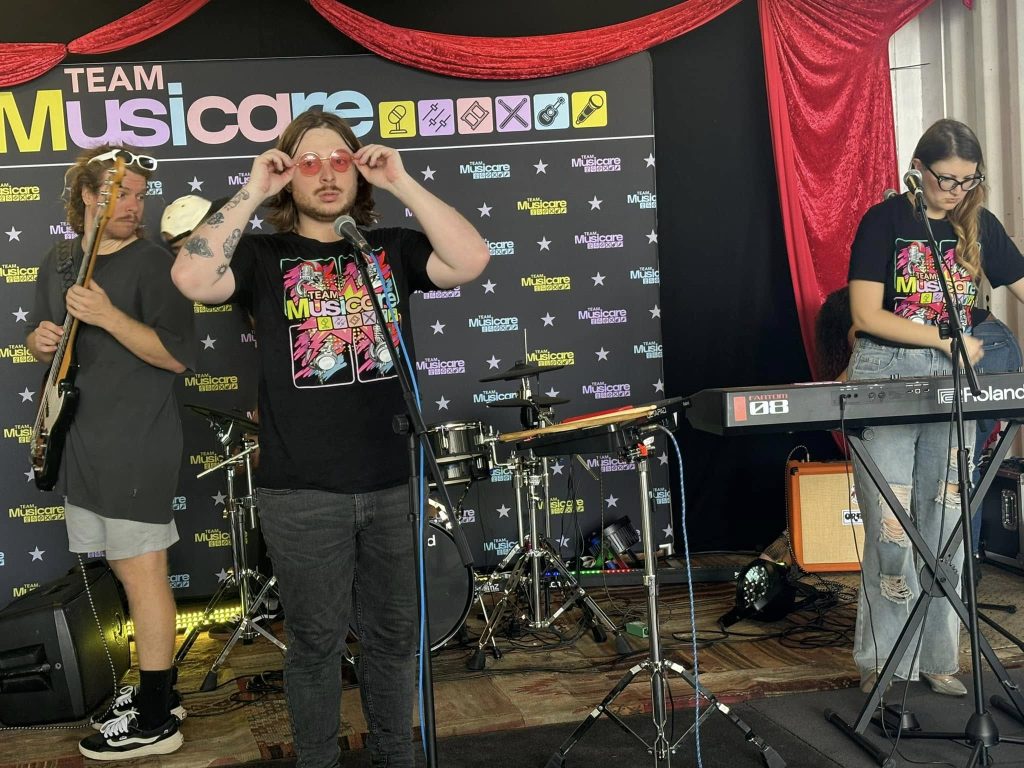
I was working for Xavier Rudd, who uses a ton of Roland gear. Ed Lim from Roland came to film, and I told him about Team Musicare. He visited, loved what we were doing, and said, “Whatever you need, we’ll support you.” Roland gear is central to our program: FANTOMs, SPD-SX PROs, OCTAPADs, V-Drums, even the new Mood Pan. We’re exploring silent digital drum circles with Bluetooth headsets for clients with noise sensitivities.
Do clients gravitate toward certain products?
Definitely. The AIRA Compact synths and sequencers are always in demand. The OCTAPADs are huge for group sessions. And the FANTOMs are very popular. Technology opens doors for creativity and accessibility.
How do you balance structure with letting clients go freestyle?
Every client has an individualized program based on their abilities and choices. They’re in control, but we guide them when needed. Adults can do whatever they like within basic guidelines—no harmful or offensive content. For sensory sensitivities, we use soundproof rooms and headphones. Digital gear lets us control levels, so collaboration is possible without overwhelming anyone.
"Enjoy it while you can. It’s about appreciating now, not worrying. Give back, and the universe will return it tenfold."
Returning it Tenfold
Any advice for creatives looking for their next chapter?
Surround yourself with the right people. If you want to grow, hang out with people who inspire you, who are not necessarily rich in money, but rich in creativity and ideas. And live in the moment.
One of my favorite stories is the strawberry story. A girl is running through the forest, chased by a tiger. She escapes by climbing down a vine over a cliff. She’s safe for the moment but sees another tiger waiting below. Then she notices a ripe strawberry growing nearby. She picks it, eats it, and it’s the most beautiful fruit she’s ever tasted.
For me, the tiger above is the past, and the one below is the unknown future. The strawberry is the present moment. Enjoy it while you can. It’s about appreciating now, not worrying. Give back, and the universe will return it tenfold.