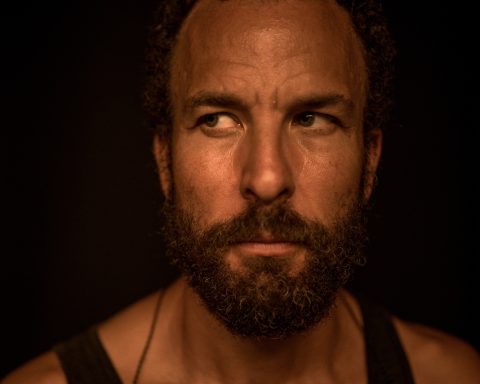
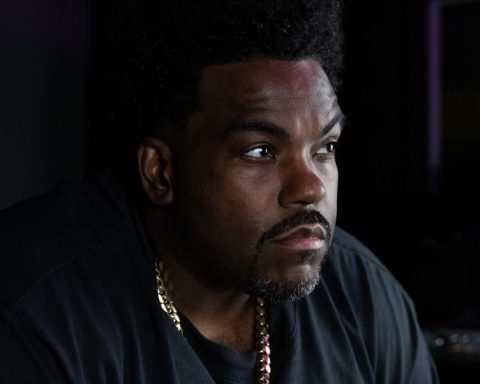
Punk has never been solely a descriptor; it’s an ethos, a state of mind, maybe even a higher calling. For Edmonton, Alberta’s synth provocateurs Home Front, the term grounds them in decades of DIY efforts in Canada and beyond. While abrasive enough to earn them choice opening slots for legendary punk bands, Home Front avoids power chord conformity in lieu of an agit-tech sound that evokes noise rock legends Suicide as much as first wave UK acts.
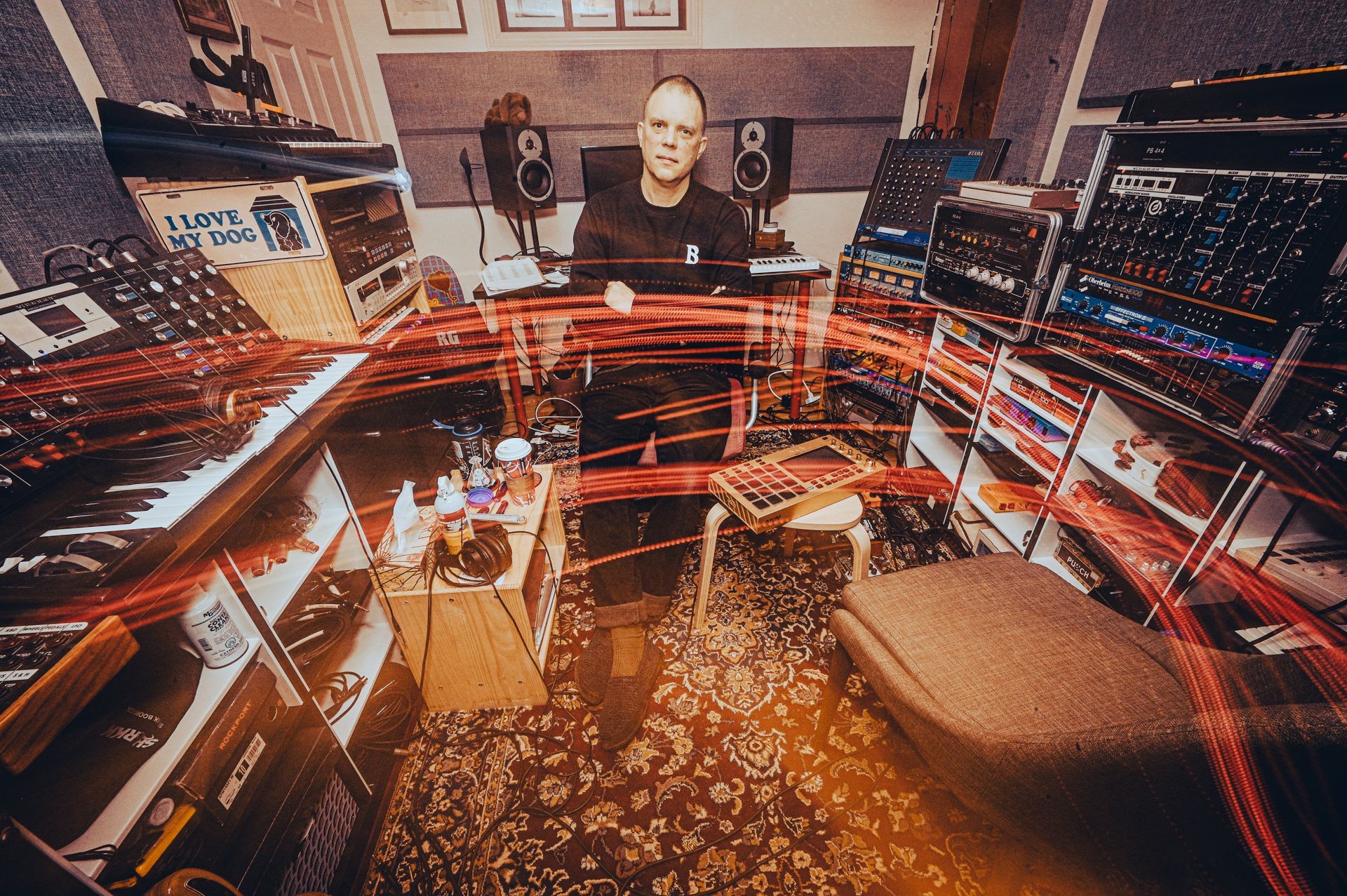
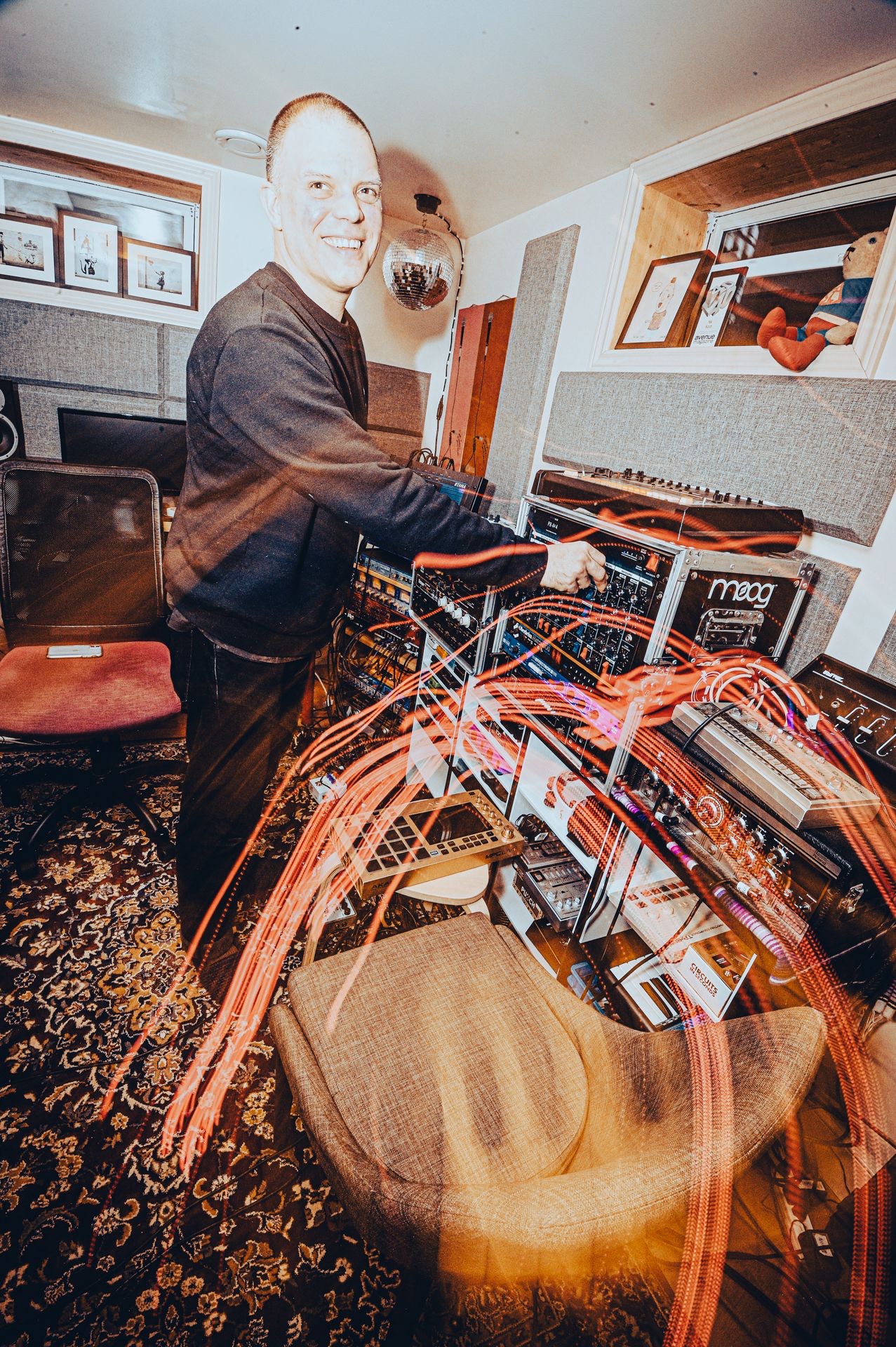
Centrifugal member Clint Frazier and longtime studio accomplice Nik Kozub crafted a claustrophobic swirl of sound from a mouth-watering collection of vintage keyboards, pedals, and drum machines, many Roland classics among them. On the eve of a string of dates that will take Home Front to the Hollywood Palladium, the pair hopped on a Zoom call to break down the methods and message behind their instant-classic Watch It Die.
The Sound of Transformation
“Eulogy” is a deeply emotional track. What inspired its message, and does it reflect the broader themes of Watch It Die?
Clint Frazier: “Eulogy” is one of the most powerful songs on the record. The whole album deals with loss, grief, transformation, and coming out the other side of hard times. The title track, “Watch It Die,” and “The Vanishing” share that same theme. It’s about acknowledging change, even when it’s painful, and finding a way forward.
You’ve described Watch It Die as a transformative album. What personal or global shifts shaped its creation?
CF: For all of us, this record came at a very transformative time geopolitically, musically, and personally. We’ve lost close friends and family members. The world feels unstable. We watch inequality grow and people choose ignorance, despite having information at their fingertips. This album is our response—a rebirth into a new world where we can’t go back to the way things were.
Where Rage Meets Hope
Home Front shares the stage with punk bands and retains the ethos. Where do electronic, post-punk, and old-school punk meet?
Nik Kozub: Everyone in this project comes from a punk background. I grew up playing in punk bands, running a label, and promoting shows. Clint and Graeme were in punk bands too. Even when we tried making house music years ago, we approached it with punk energy.
There are parallels between electronic and punk; both are about breaking rules and creating something raw. Home Front leans punk in spirit, even when the instrumentation is synth-heavy.
"Music can create safe spaces for people to come together, air grievances, and imagine a better future. That’s what we want Home Front to be."
Clint Frazier
Your lyrics often touch on grief, resistance, and rebirth. How do you hope listeners connect with those themes in today’s climate?
CF: It’s a tough moment globally, and where we’re from, Alberta, it’s especially hard. It’s disheartening. If this record gives people even a little optimism, we’ve done our job. Punk has always been about catharsis: rage, release, and hope. Music can create safe spaces for people to come together, air grievances, and imagine a better future. That’s what we want Home Front to be.
High Energy, Big Synths
You’re playing two nights at the Hollywood Palladium and hitting the West Coast. What can fans expect from these shows, and how do you prepare for live performances?
CF: When we got asked to open for Cock Sparrer, we said yes before hearing the offer. We even do an electronic Cock Sparrer medley in our set. Fans can expect high energy, big synths, and a lot of sweat. Our live setup includes Roland SPD-SX and SPD::ONE pads, which let us bring studio textures, like DDR-30 toms, onto the stage. I’m a drummer before I’m a keyboard player, so I love blending percussion and synths live.
Home Front has always been rooted in community and DIY ethics. How do you maintain that spirit while growing your audience?
CF: Our label, La Vida Es Un Mus, signed us before we even had a band name. They heard the demos and believed in the music, not metrics. That’s rare and refreshing. We still operate with that DIY mindset: make the art we believe in, support our community, and keep things honest.
"We still operate with that DIY mindset: make the art we believe in, support our community, and keep things honest."
Clint Frazier
Layers of Roland
What’s the significance of recording Watch It Die in home studios in Edmonton, and how did that environment shape the album’s sound?
NF: Recording at home gave us freedom. No clock ticking, no pressure—just mountains of gear and time to experiment. We tracked in Pro Tools, but most effects were hardware: Space Echo for delays, spring reverbs for vocals. Even when we used digital, like the Roland SDE-3000 rack delay, it was about tactile control. That environment made the record feel alive.
On the album you use tons of Roland gear: JUNO-60, SH-101, JX-8P, SH-1, TR-808, DDR-30, SDE-3000, TR-09, RE-201 Space Echo, TR-606, TR-727, and more. Do any tracks stand out as examples of how they shaped the sound?
CF: “The Vanishing” is very Roland-heavy: TR-808 beats, JX-8P layers, JUNO-60 warmth. “Eulogy” has those huge DDR-30 toms, like Phil Collins on steroids. “Light Sleeper” is another favorite. It’s SH-101 bass, JUNO-60 pads, TR-909 percussion, and even a JP-08 cameo. Honestly, every song is layered with Roland gear.
NK: The SH-101 bass on “Light Sleeper” is my holy grail sound. People ask if I’m into Eurorack modular, but my taste is simple: give me a 101, a JUNO-60, and a 909, and I’m happy. But then again, we’ll probably keep buying more.
Home Front uses the Roland SPD-SX and SPD::ONE in your live setup. What role do these play in translating your studio sound to the stage?
CF: They’re essential. I sample DDR-30 toms and other studio sounds into the SPD-SX so we can recreate those textures live. Our drummer uses the SPD::ONE for extra hits. It’s about making the live show as dynamic and layered as the record.
"My taste is simple: give me a 101, a JUNO-60, and a 909, and I’m happy. But then again, we’ll probably keep buying more."
Nik Kozub
Nostalgic Innovation
How do you find balance in your songwriting, especially when referencing past influences while pushing forward?
NK: We’re influenced by early ’80s UK punk and synth-pop—The Cure, Blitz, Flock of Seagulls—but we’re not trying to recreate that era. There’s a difference between influence and imitation. We want to make something fresh—informed by the past, but rooted in now.
Looking ahead, what’s next for Home Front creatively, and how do you envision your music evolving in the coming years?
CF: We’ll tour as much as our day jobs allow, but the studio is where the magic happens. We love working together, experimenting with gear, and pushing our sound forward. Expect more records, more synths, and maybe a few surprises.