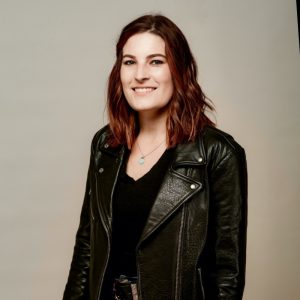


Woodwind aficionado Lorren Chiodo is no stranger to arena stages. Her first major gig, playing with Harry Styles headlining Coachella, felt almost fated. Since then, she’s performed with, directed, and arranged for major acts like Florence + The Machine, UMI, and PinkPantheress. While on a brief break between legs of Harry Styles’ Together, Together tour, we chatted with Chiodo about her experience working (and breaking records) with the British superstar, shaping shows from behind the scenes, and how she spotlights digital instruments in live performances.
Coachella Calling
Can you tell us about your musical journey and how you found your way into the touring world?
I’m originally from Australia and studied music throughout school. I attended a summer program at Berklee College of Music in Boston, fell in love with it, and decided that’s where I wanted to study. I earned a Bachelor of Music with a double major in Film Scoring and Saxophone Performance.
After graduating, I moved to Los Angeles with absolutely no plan, as one does. My first job there was as a music editor, working on various film projects. At the same time, I was playing local gigs around the city as a saxophonist.
Then, in 2022, I got the call to perform with Harry Styles at Coachella. From there, I joined the Love On Tour run across North America and Europe. That became my first touring experience, which is kind of wild when you think about it. After that, I toured some more, continued doing session work, music directing, and arranging, and now I’m back touring with Harry.
Your first touring gig was an arena tour? What was that like?
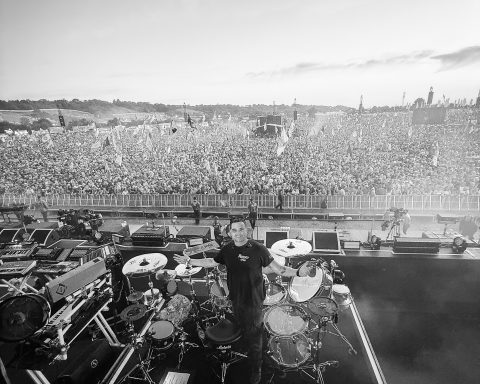
It was definitely a huge introduction to touring. We were playing places like Scotiabank Arena, Madison Square Garden, and The Forum. On that first tour, we broke records at MSG and The Forum, which was pretty surreal.
I remember feeling more excited than nervous. There were definitely nerves, but they felt productive—like energy and anticipation. It felt like stepping into something I’d been working toward for a long time.
Touring Together, Together
You’re currently performing on some of the world’s biggest stages. What has that experience taught you?
It’s been an incredible experience, and I’m very grateful for it. One thing that’s stood out is how supportive and passionate the fans are. The audience is so invested in the music and so welcoming to everyone involved. The energy of this tour is so special and carries on long after the show is done.
"The energy of this tour is so special and carries on long after the show is done."
The Together, Together Tour recently set a Guinness World Record for the longest residency by a musician at Wembley Stadium during a single run with 12 sold-out shows. What did that milestone mean to you?
Honestly, it transported me straight back to being eight years old and flipping through those green Guinness World Records books at the library. It was such an unexpected and amazing achievement for the entire team, and it made my inner child very happy!
You’re about to take the tour to Australia. How does it feel to finally perform back home?
I’m incredibly excited. I’ve never really toured Australia before, so this will be my first time playing these kinds of shows at home.
I’ll have family and friends coming, which will be amazing. It’s going to be a very special experience.
"Florence is such a deeply musical artist, and it felt like a creative playground where we could explore all kinds of ideas."
A Creative Playground
You’ve also arranged and directed music for Florence + The Machine. What do you enjoy most about shaping a show behind the scenes?
I love being involved at the beginning of the creative process, before audiences see the final product. There’s so much collaboration and idea-sharing that goes into creating a live show.
Being part of that group effort is incredibly rewarding. It’s probably the purest form of creativity for me. With Florence, it was especially exciting because I’m a huge choir nerd and got to arrange choral material, including a choral overture. Florence is such a deeply musical artist, and it felt like a creative playground where we could explore all kinds of ideas.
How do you approach recreating studio parts for a live performance?
It really depends on the goal. For Florence’s tour, for example, we wanted to preserve that raw, chaotic woodwind energy that existed on the recordings.
A lot of it comes down to instrument choices, playing techniques, and how sounds are captured. The goal is always to ensure the music’s feeling and character translate effectively in a live environment.
"Because it's breath-controlled, the Brisa lets me shape sounds in ways that feel natural to me as a wind player."
What role do the Aerophone and Brisa play in your live setup?
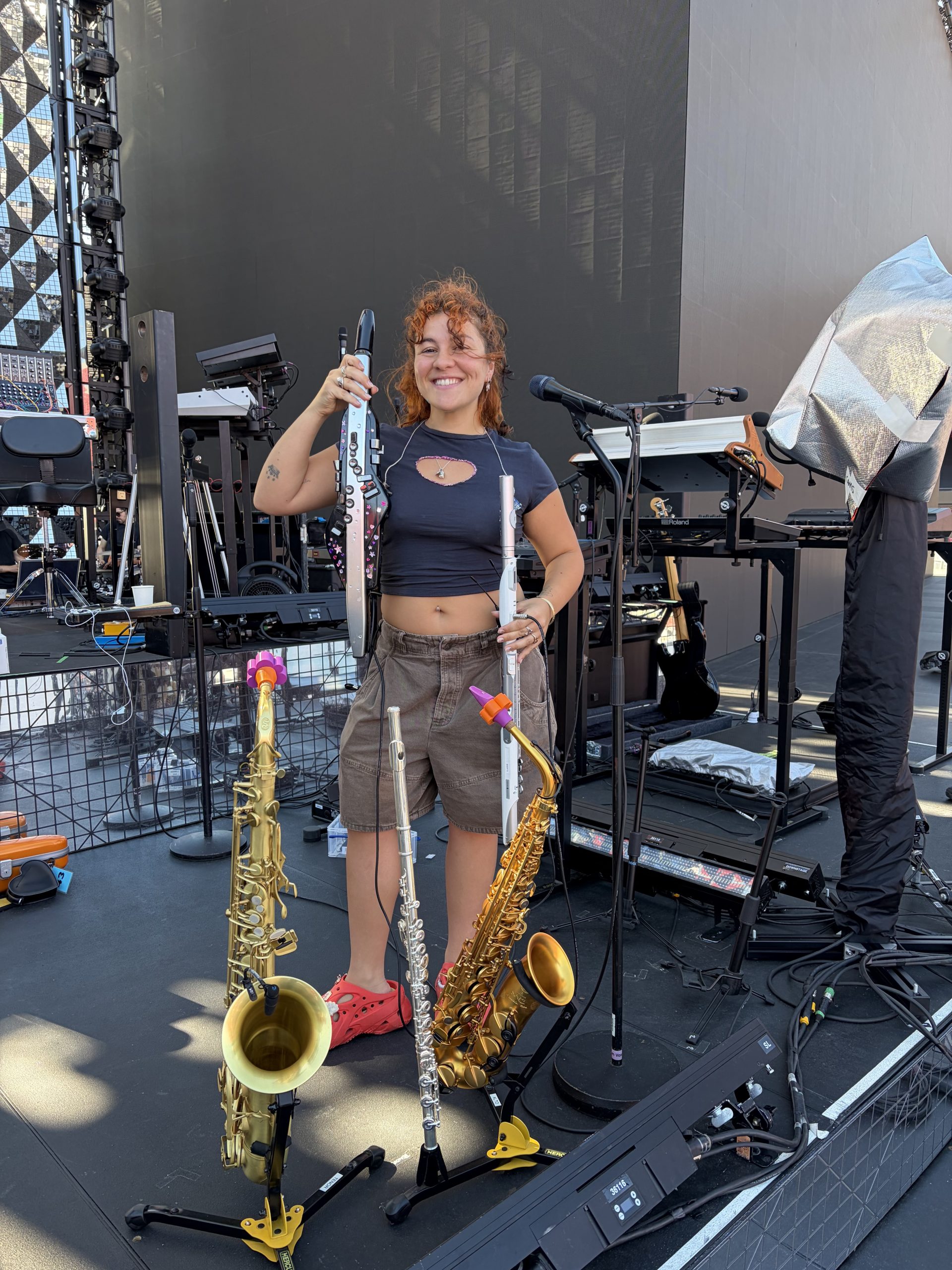
They’ve become a huge part of my setup. My goal has always been to become an integral member of whatever band or artist I’m touring with, and as a woodwind player, that can be challenging.
The Brisa made a lot of sense because I love synth textures, pads, and atmospheric sounds. Coming from a film-scoring background, I’m always interested in building soundscapes. Because it’s breath-controlled, I love that it lets me shape sounds in ways that feel natural to me as a wind player.
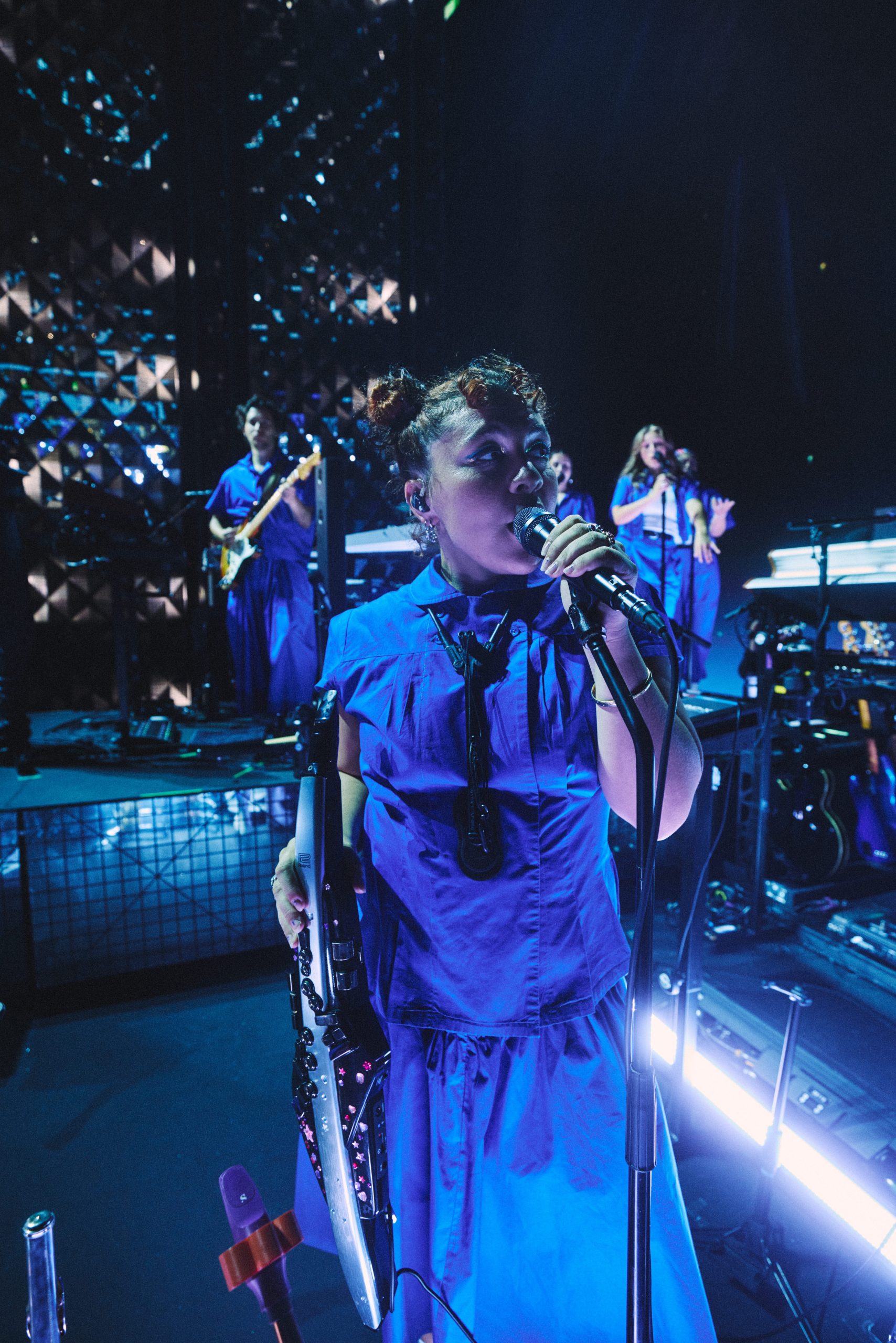
For this tour, my Aerophone is currently connected via MIDI to a JUNO synthesizer onstage, allowing me to control synth pads, textures, lead lines, and arpeggiated sounds. The Brisa runs through a pedalboard and is used more for ambient, atmospheric layers that support the songs.
What kind of reaction do you get when you introduce instruments like the Aerophone or Brisa into a live show?
It’s always a collaborative conversation. We knew we wanted more synth textures and soundscapes in the show, and using the Aerophone as a controller was simply another way of achieving that.
The response has generally been, “That’s cool—let’s try it.” We experimented with it, and it worked.
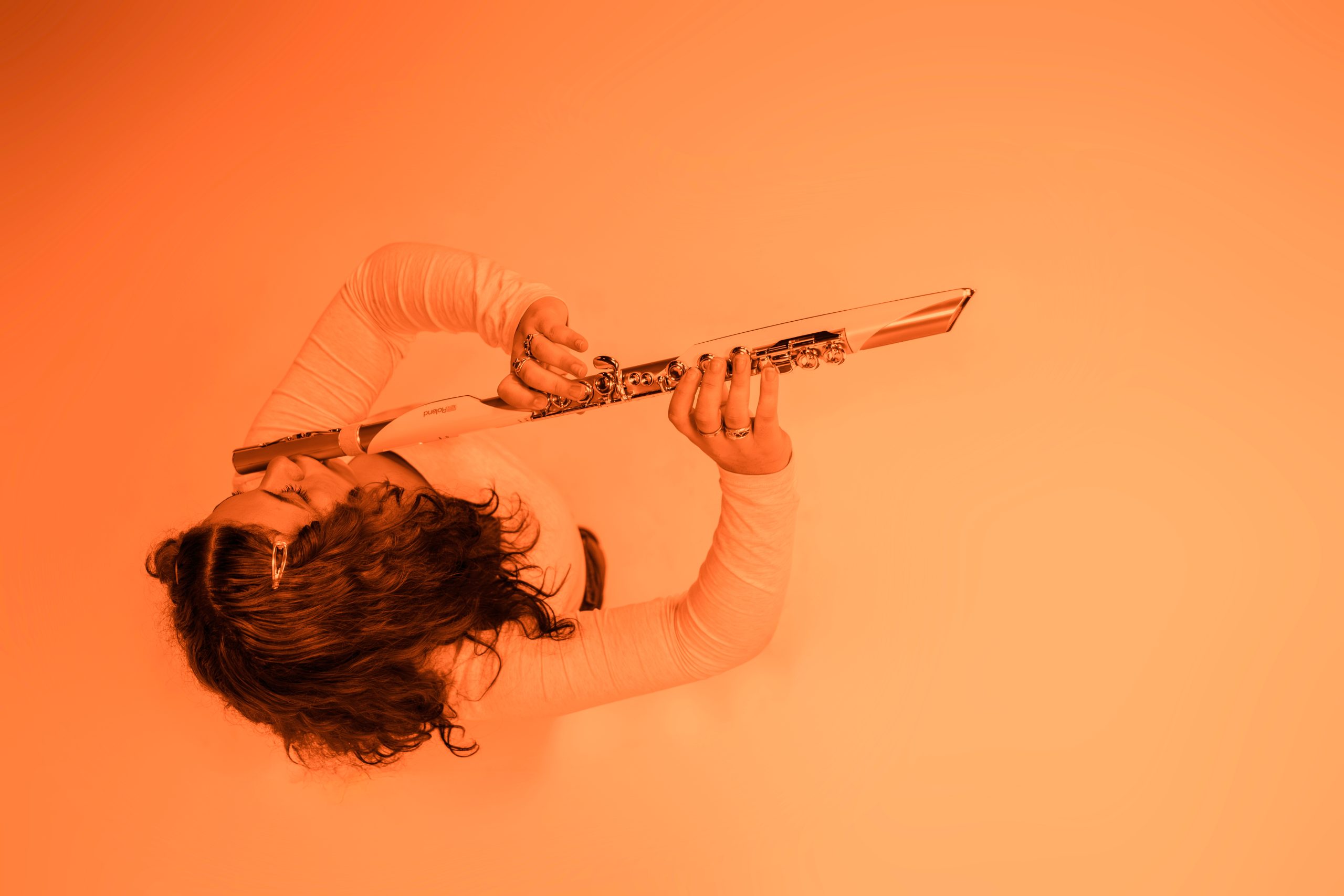
Have you discovered any favorite Brisa features?
Oh yeah, I love the vibrato function—it’s probably my favorite feature. You tilt the Brisa up for vibrato. I feel so extra. The bend controls are great too, but the vibrato is something I use regularly in the show, especially during the ambient intro. It’s so fun!
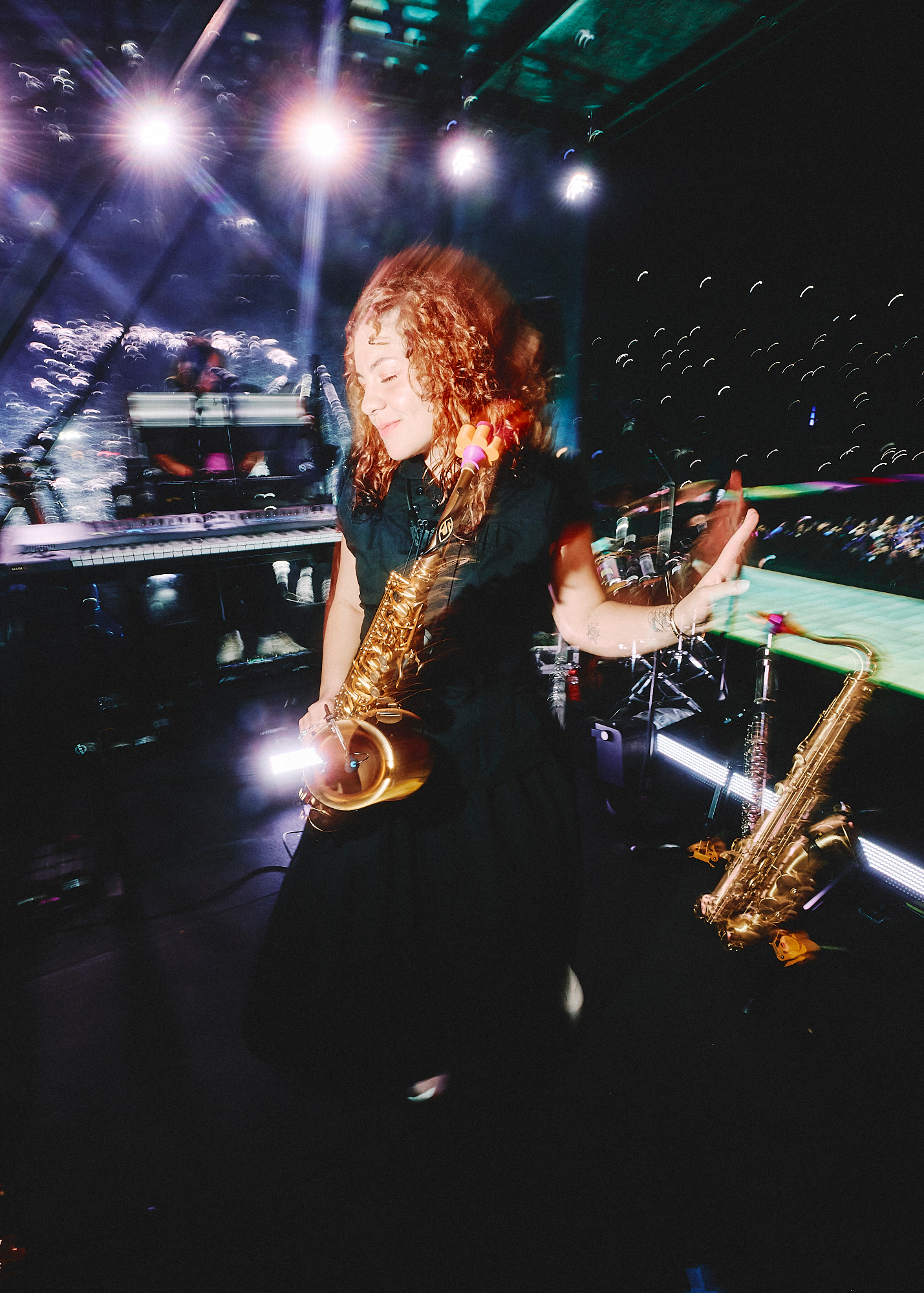
You run both acoustic and electronic instruments through effects. How do those approaches differ?
With acoustic instruments like saxophone and flute, the effects are there to expand and enhance the original sound. You still hear the natural timbre of the instrument, but you’re adding things like octaves, distortion, or modulation effects.
With Brisa, I’m treating it more like a signal source for creating entirely new electronic textures. It’s less about preserving the original sound and more about building a different sonic environment.
How do you decide when a song calls for acoustic instruments versus electronic ones?
It really comes down to the artist, the song, and the creative and music direction. We usually figure that out during rehearsals.
There isn’t necessarily a right or wrong answer. Both approaches can work; it just depends on the outcome you’re trying to achieve.
"The combination of the BOSS RC-600 Loop Station and an SP-404 allowed me to build and manipulate sounds organically."
Hands-on Looping
Looping plays a big role in your solo work. What drew you to that style of performance?
I wanted to create analog synth and woodwind-driven music without relying on a computer. That became the foundation of my solo setup.
The combination of the BOSS RC-600 Loop Station and an SP-404 allowed me to build and manipulate sounds organically. They became my creative hub—the equivalent of a computer-based setup, but with a much more hands-on feel.
"Live music is live music. Sometimes things happen, and that's okay."
Do you have any advice for musicians who are just getting started with looping?
It’s always going to be tweaky. You just need to experiment and play with your own music. I like to use the built-in metronome and grooves. I route the click to my headphones only so I can lock everything to a grid without sending it to the audience.
It sounds simple, but it makes a huge difference when you’re learning. There’s nothing more frustrating than building a loop and realizing it doesn’t line up properly.
But that said, don’t be afraid to start over! Live music is live music. Sometimes things happen, and that’s okay.
Lights Up
What are the biggest rewards—and challenges—of performing for thousands of people night after night?
The biggest challenge, honestly, is that I can’t do it every single day of my life. I love it that much. It brings me so much joy.
I love seeing big productions come together. I love the teamwork behind it and seeing audiences connect with the show. Harry’s Together, Together Tour is just such a wholesome concert experience, truly. Everyone is giving it their all, and it’s so fun to watch.
The reward is getting to be part of those experiences with so many incredible people and sharing my part. I’m very grateful that this is my life.