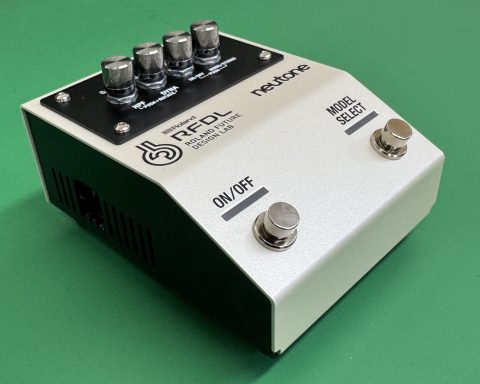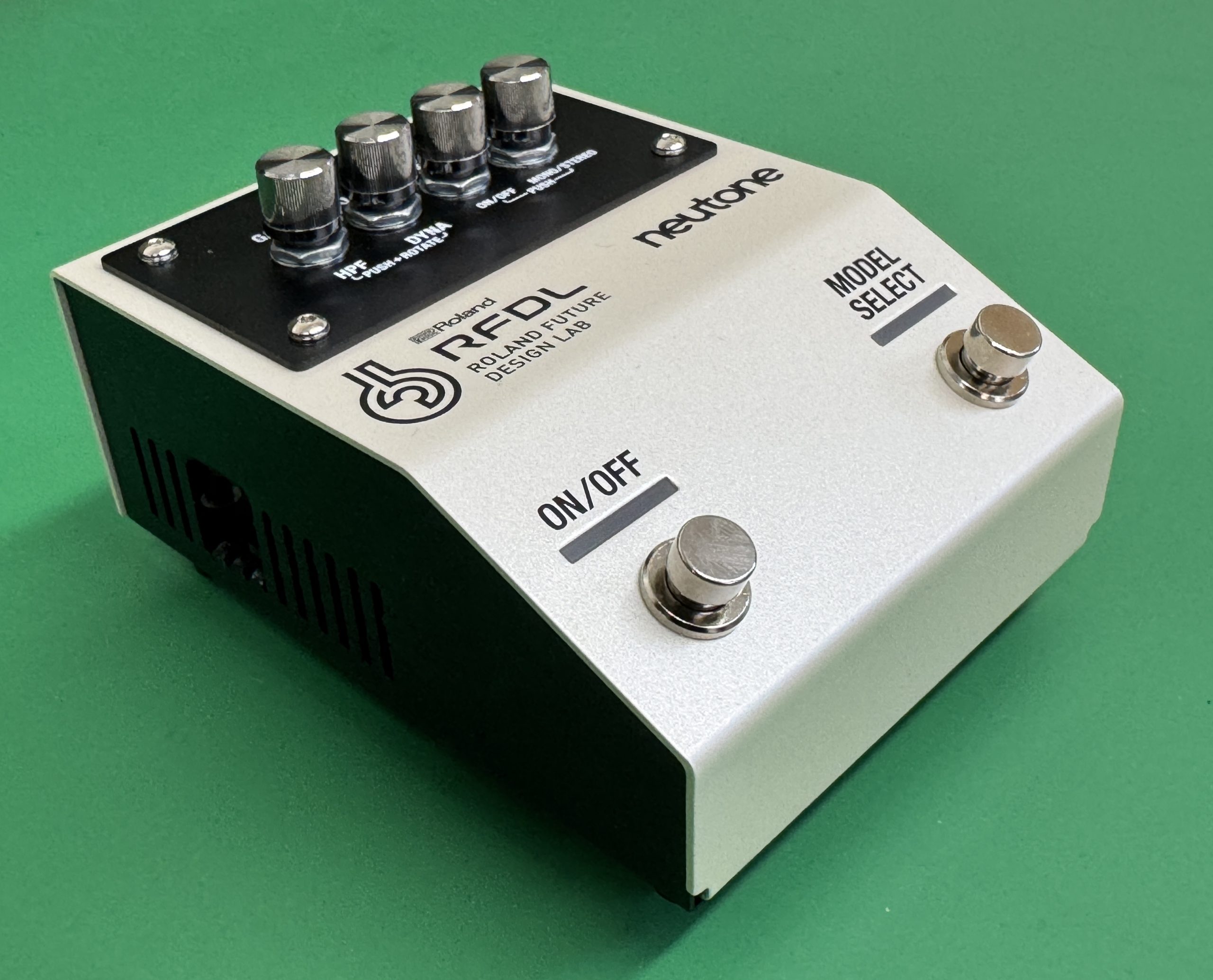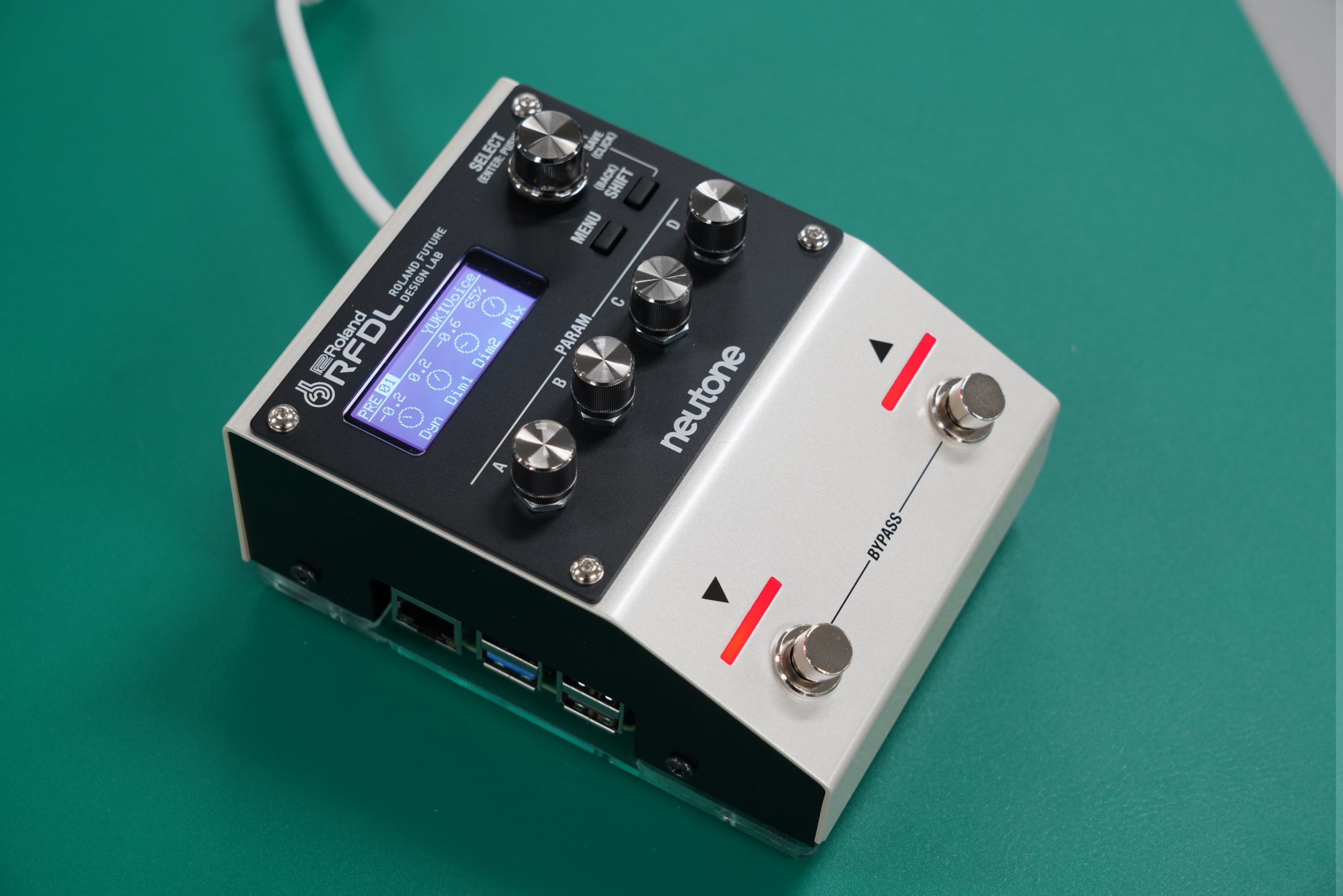


In November 2025, Roland Future Design Lab and Neutone introduced Project LYDIA, a pedal-based Neural Sampling audio processor (we’re trying not to say “stompbox” just yet!) designed to explore the musical intersection of responsibly developed AI and do-it-yourself hardware.
With a view to honoring the Principles for Music Creation with AI, Project LYDIA (the name is an anagram of the terms DIY and AI) was released not as a finished product, but rather as a “functional but unfinished” technology preview. These principles encourage music tech creators working with AI to avoid making assumptions about what will and won’t be welcomed into creative workflows, and to seek out and value the views and opinions of musicians.
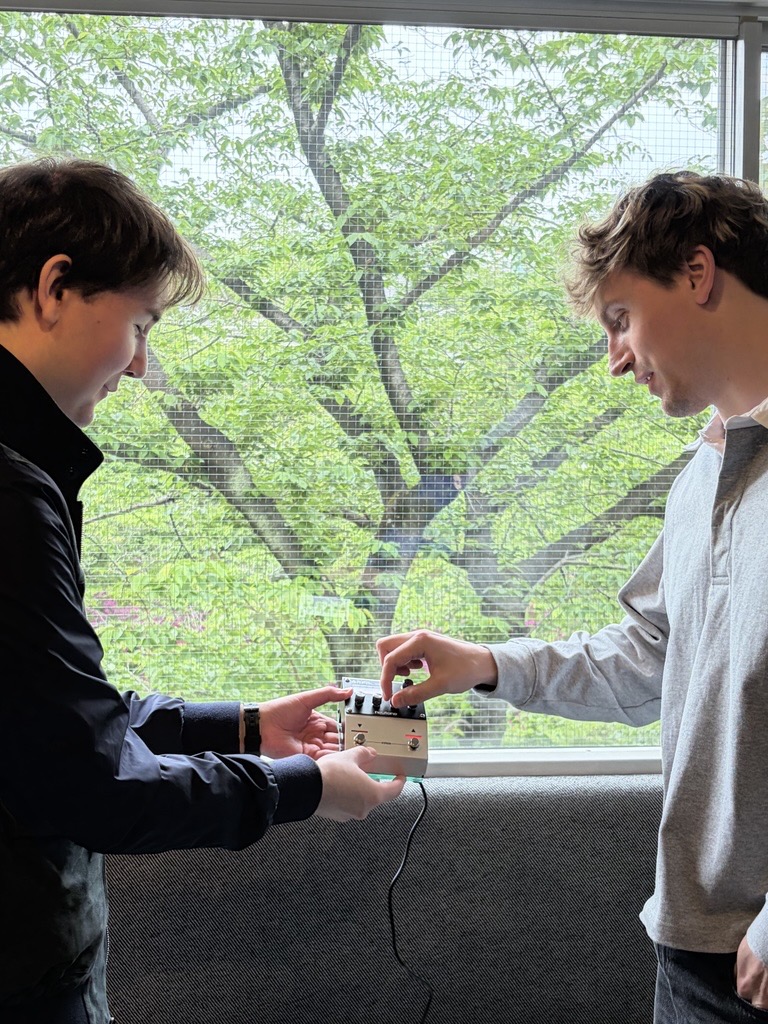
With this in mind, we’ve taken our technology preview “to the people”, allowing musicians around the world to try it for themselves and share their thoughts in person and online. And try it you did! From the Audio Developers Conference in Bristol, UK, to the NAMM Show in Anaheim, USA, hundreds of creators have test-driven Project LYDIA, and the overwhelming enthusiasm and fantastic suggestions we’ve received have encouraged us to keep going, which brings us to…
Project LYDIA Phase II
As the next step in our learning journey, the design and functionality of Project LYDIA Phase II reflects what Roland Future Design Lab and Neutone have learned from all the feedback we received in Phase I and combines this with our own experience-driven innovations.
A Window to the World of Project LYDIA
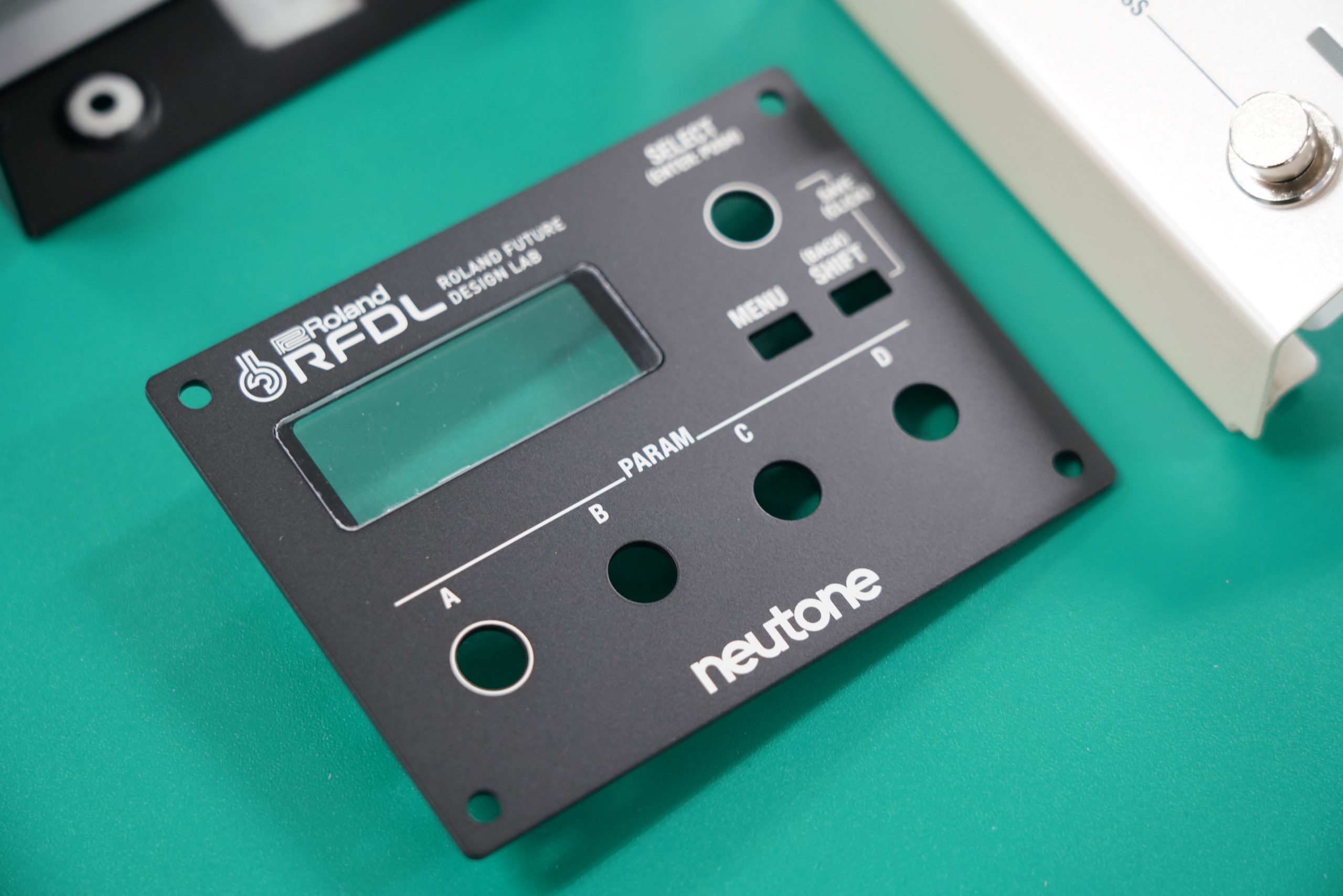
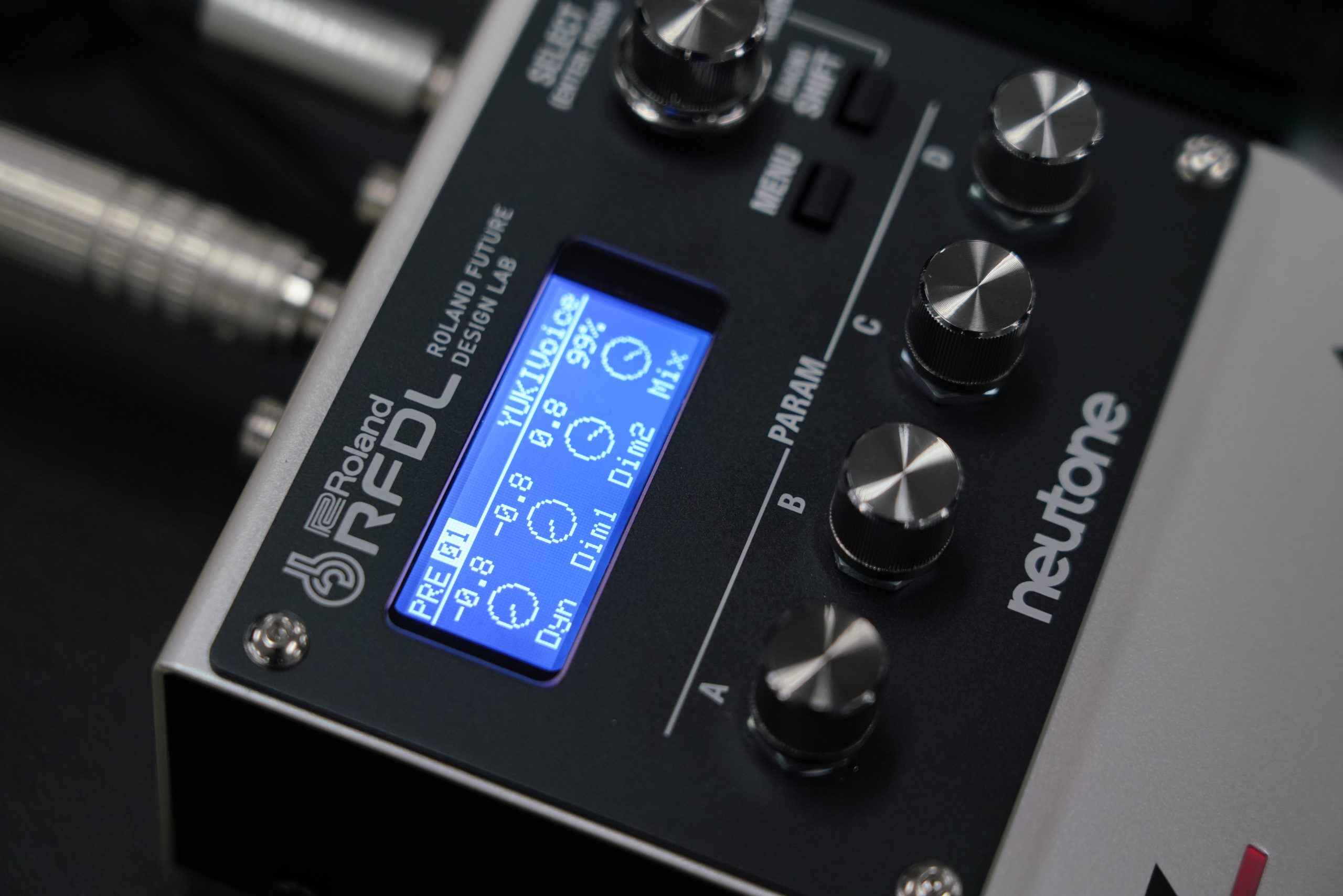
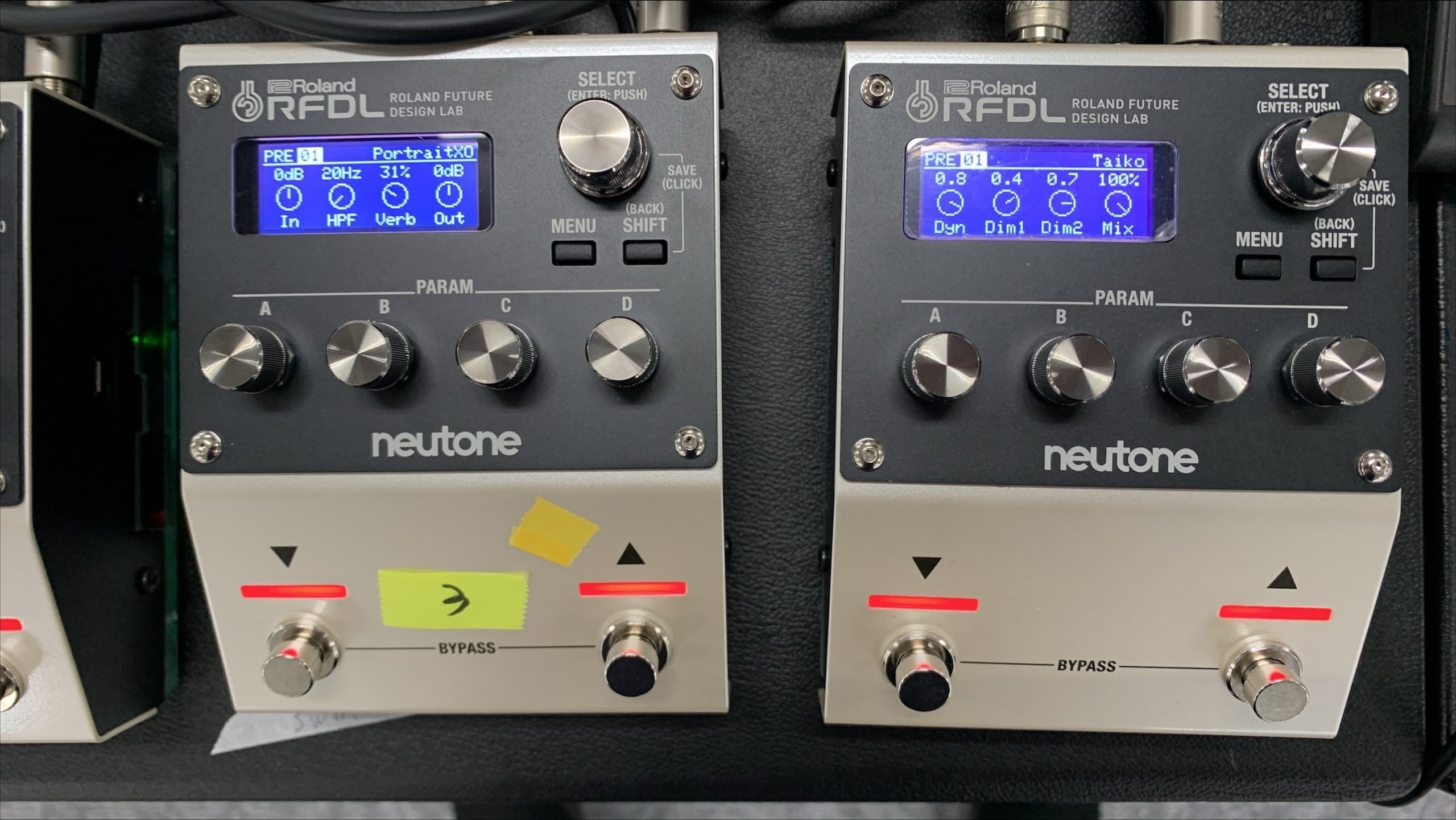
When we compare Phase I and Phase II side by side, the first thing that stands out is the addition of an LCD screen and navigation controls. While everyone who tried Project LYDIA Phase I loved the simple stompbox-style controls, many asked for a better way to navigate the selection of Neural Sampling models and to adjust where the various real-time controls are mapped. To go along with this, our team has added “Preset Memories,” which will save and recall a neural sampling model and control parameter assignments in a single step. We feel the addition of an LCD screen helps to unlock the full potential of Project LYDIA.
Everything You Need, All Inside
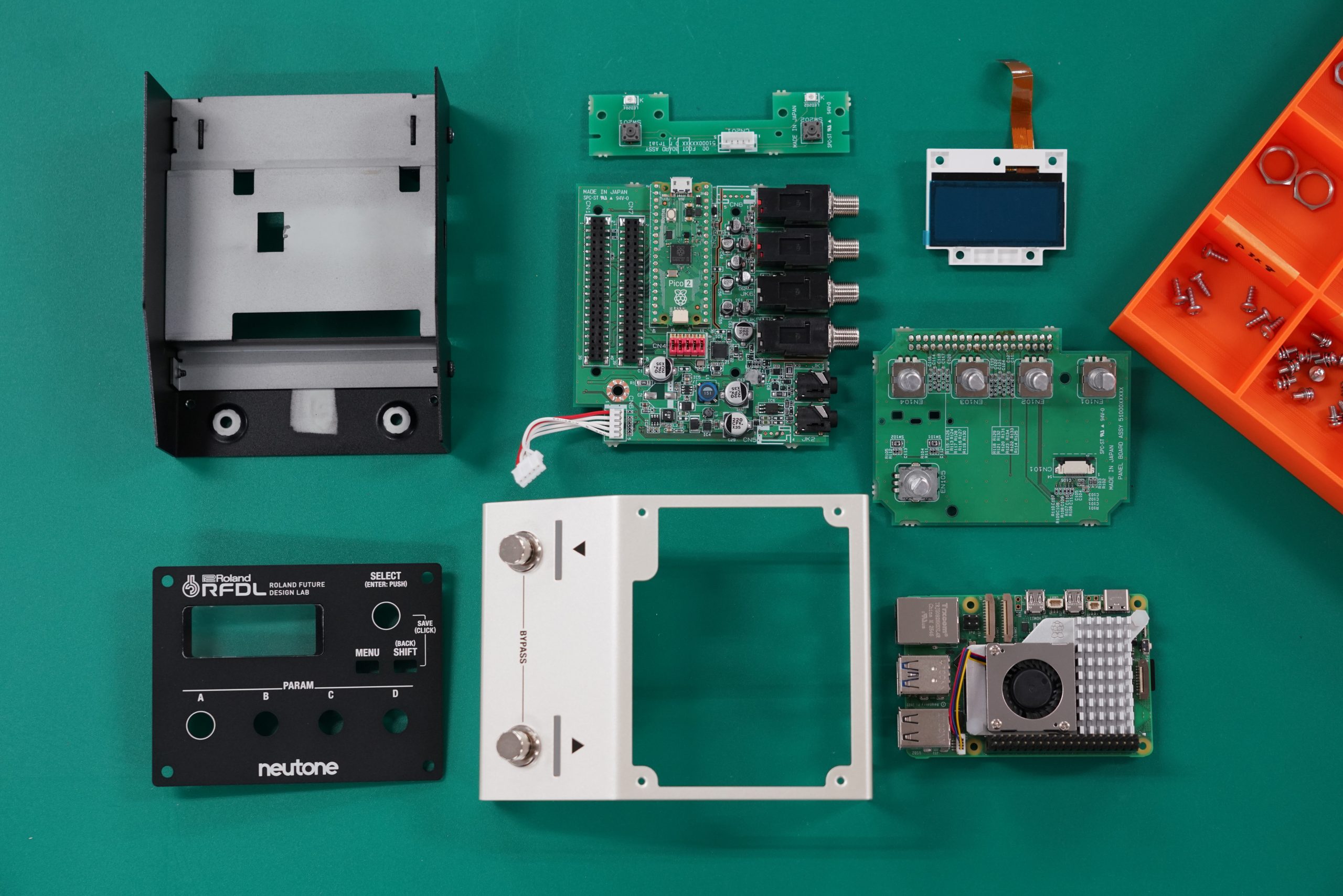
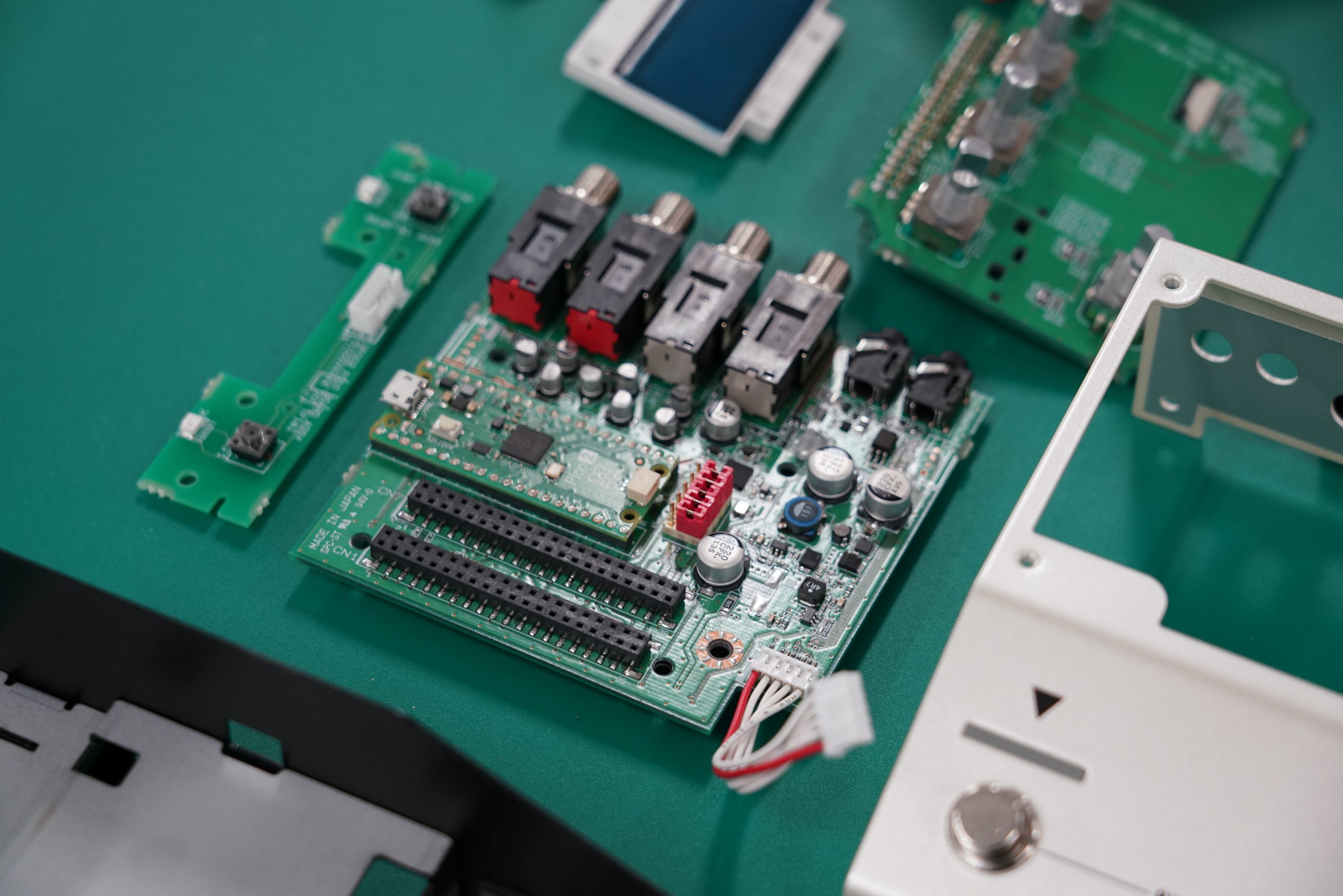
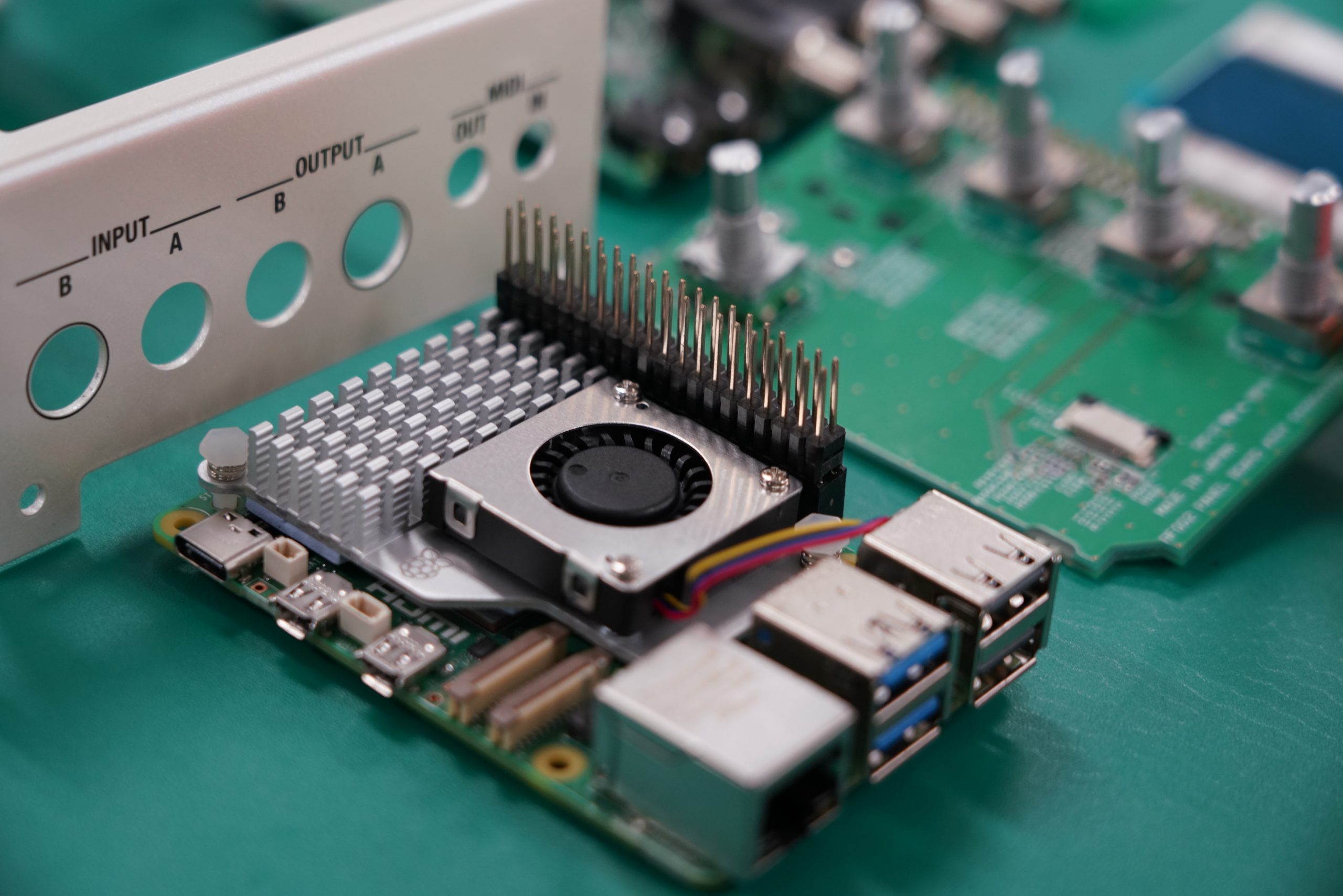
As our first effort to utilize Raspberry Pi 5, the level of integration with Project LYDIA Phase I was minimal and required an external USB audio interface for connection and D<>A conversion. With Phase II we move much closer to Roland standards for quality and integration.
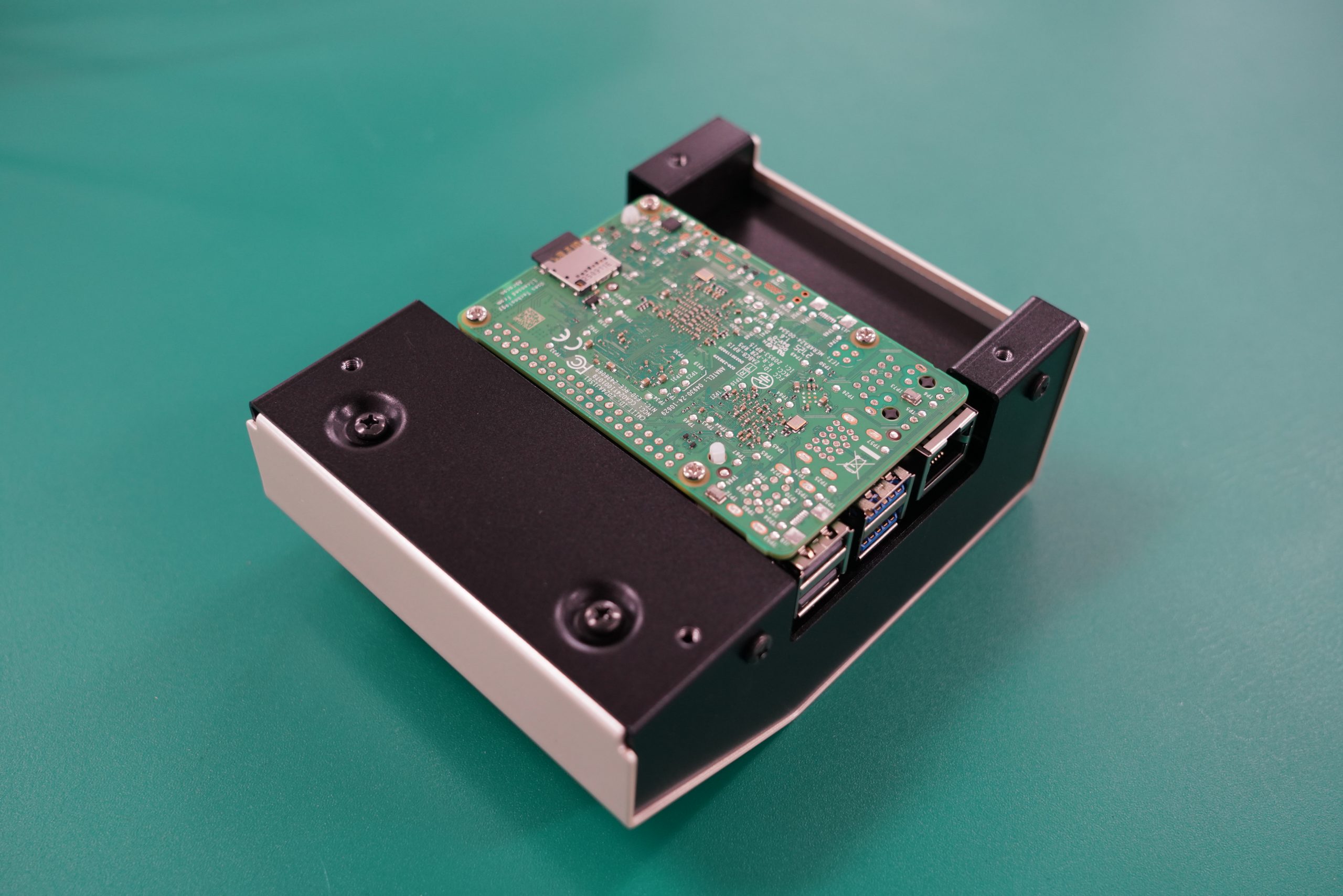
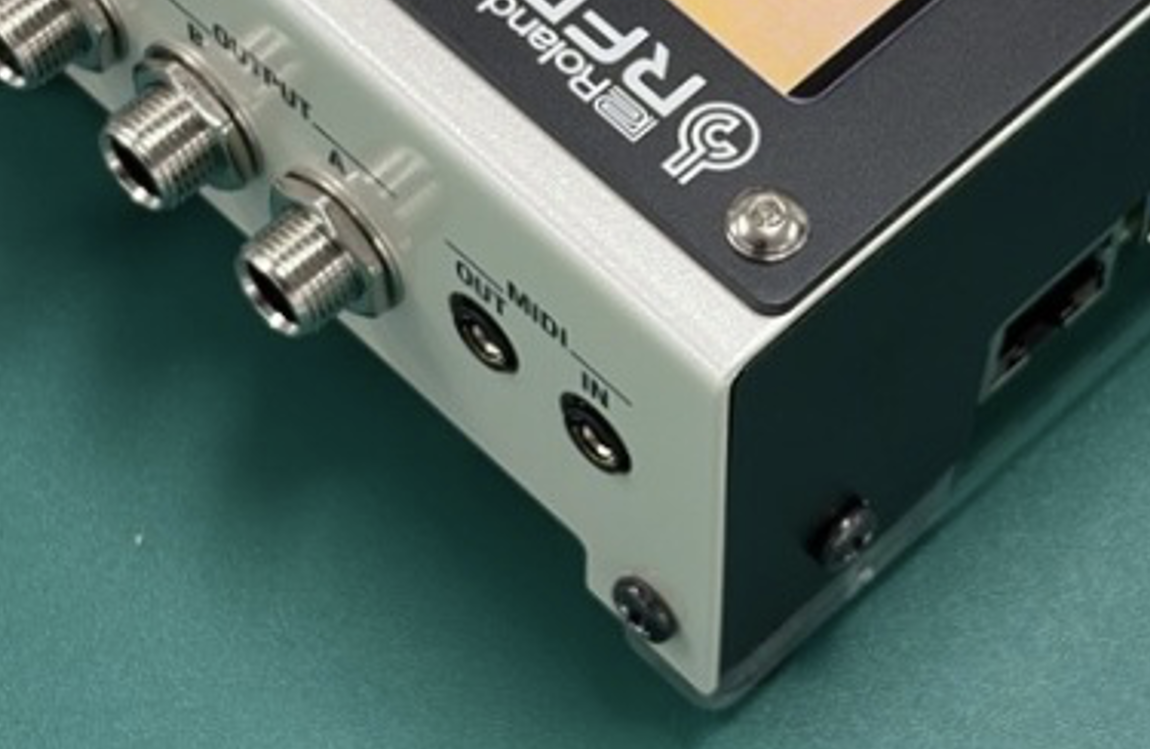
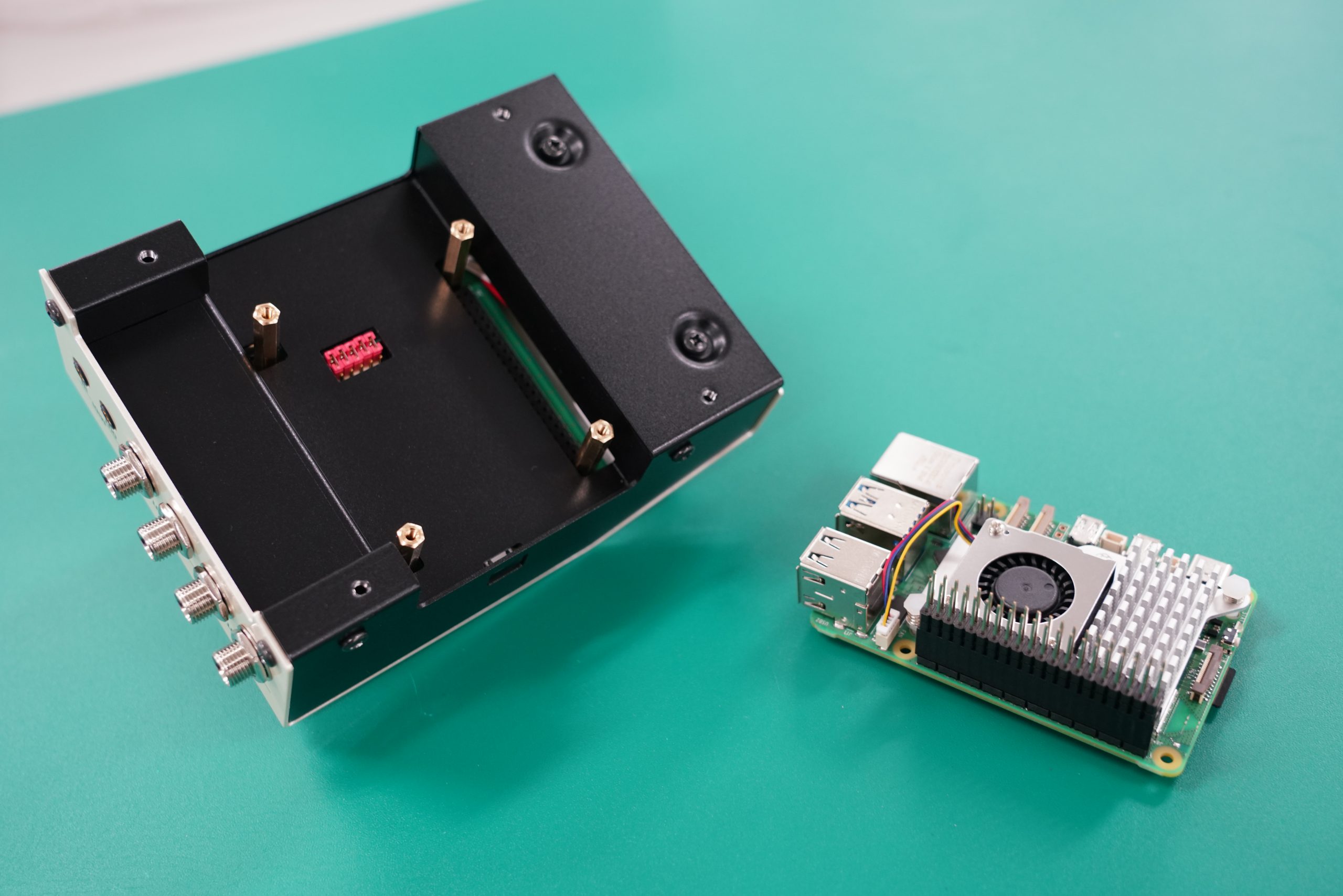
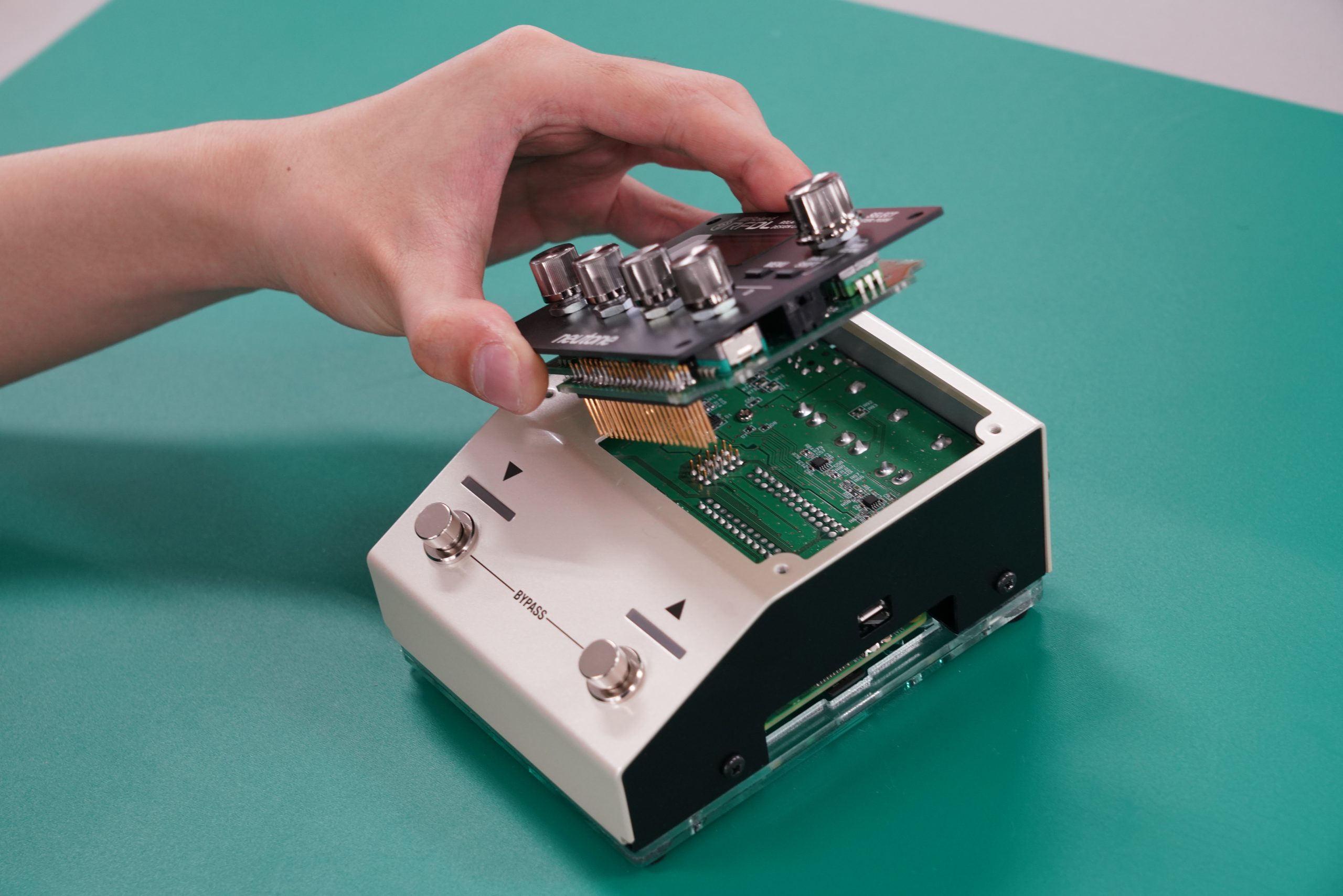
For starters, we’ve integrated all audio connectivity into the design of Phase II—no more need for an external USB audio interface. Also, as shown in the photos, attaching the Raspberry Pi5 is much simpler and safer; the risk of accidentally damaging other components has been greatly reduced. And there is one more important hardware improvement with Phase II.
Musical Instrument Digital Interface
Seeing musicians have fun jamming with the knobs on Project LYDIA Phase I was really inspiring for us, but it also made us think about how we might give even more physical control over various parameters in Neutone’s powerful neural sampling engine. Before long, we came up with the idea of adding mappable MIDI connectivity, which will allow people to attach the controller of their choice for added expression. From foot pedals and switches to digital wind instruments, anything does. Express yourself!
A Pi in the Window
With Project LYDIA Phase 1, we told the story of Roland’s history with DIY music tech that dates back to the 1980’s and our kit brand, AMDEK, and we were interested in seeing if do-it-yourself might still be interesting to our fans today. Based on hundreds of conversations and online survey results, it indeed seems that DIY is something many music creators continue to care about.
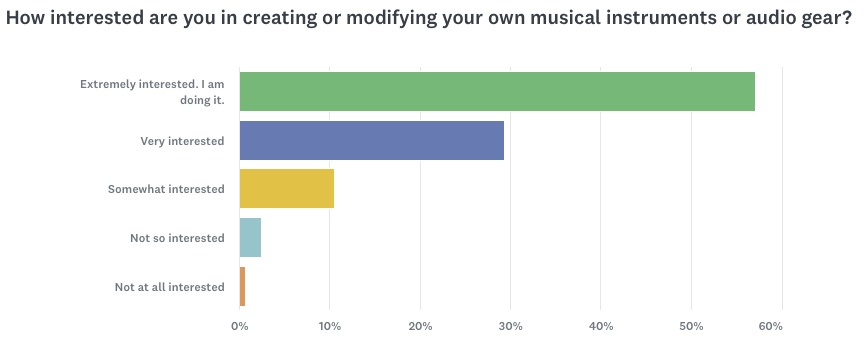
Recognizing the continued strong interest in DIY, Project LYDIA Phase II continues the open-source audio processing platform concept by being built on Raspberry Pi 5. Love Neural Sampling but want to try running a different application on Project LYDIA? Be our guest.
Something else that’s new: Project LYDIA Phase II has been designed to operate with or without a Raspberry Pi 5 connected. By adding a Raspberry Pi 5, you get the full Project LYDIA Neural Sampling experience. Still, without the Pi5, Project LYDIA Phase II can operate as a compact, customizable MIDI Controller thanks to the integrated Raspberry Pi Pico. How about that?
Taking it to the Streets
As with Phase I, we will be gathering more feedback on Project LYDIA Phase II from music creators around the world. We are working hard to hand-assemble units for the first public showing and hands-on opportunity at Superbooth in Berlin from May 7-9, 2026. The Audio Developers Conference (ADC) Tokyo will quickly follow (June 1-3). To see when we might be at an event near you, keep an eye on the Roland Global social media feeds.
Share Your Thoughts With Us
Whether or not you get to try Project LYDIA Phase II in person, we’ve set up a new online survey where you can share your thoughts and ideas with us. And to say thank you for your time, those who complete the survey will receive a 3-month Roland Cloud Ultimate membership as a special gift from Roland Future Design Lab.